Ukraine Fired Its Defense Minister. Here's Why It Matters.

On July 15, 2026, Ukraine's President Volodymyr Zelensky dismissed Mykhailo Fedorov from his role as defense minister after just six months on the job. Fedorov was the most visible supporter of using new technology to fight the war. His firing, confirmed by a senior official and reported by the Kyiv Independent, was officially part of a wider government reshuffle.
But the real reason goes deeper. Fedorov had publicly accused Ukraine's top military commander, Oleksandr Syrskyi, of blocking efforts to modernize the armed forces. BBC reporting identified this clash as the direct cause of Fedorov's removal.
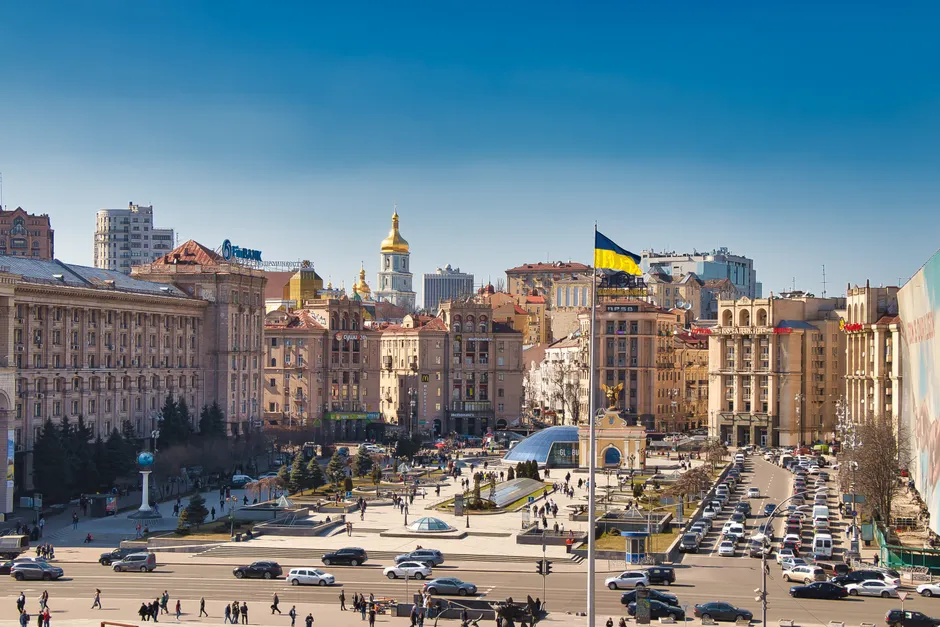
People gathered in the streets of Kyiv to protest the dismissal, according to Deutsche Welle. That reaction shows how much Fedorov had come to symbolize the idea that technology is key to Ukraine's survival.
During Fedorov's time as defense minister, Ukraine's defense sector went through a major shift. The New York Times, in a July 17, 2026, report by Constant Méheut, described the rise of "20-somethings" running important parts of the war effort. These young people come from tech backgrounds, not traditional military careers. They value speed and new ideas over the old way of doing things. The tension between these two groups, the young tech innovators and the experienced military establishment, is the backdrop for Fedorov's clash with Syrskyi.
The innovation Fedorov supported is very real. In November 2025, the New York Times reported on Neros, a military drone company started in 2023 by former teenage drone racers. The company raised $121 million. That kind of money flowing to defense startups led by people who were still in school when the full-scale war began shows just how much things have changed. Ukraine's advances in drones and artificial intelligence have been noted by Harvard Kennedy School's Belfer Center (Russia Matters) as making a real difference to the country's defense. The same May 2026 report said Ukraine is also waging "lawfare," meaning it uses legal and institutional tools alongside military action to fight on multiple fronts.
NATO has also weighed in. NATO Allied Command Transformation said in May 2026 that the war in Ukraine has become a "laboratory of the future." In the same statement, the command gave a blunt warning: "Russia is learning faster than NATO's procurement bureaucracy." Procurement is the formal process militaries use to research, approve, and buy equipment. It tends to move much more slowly than private tech companies develop new products. That warning captures the central problem: the gap between how fast adaptive, tech-driven forces can improve and how slowly large institutions can respond.
The broader context here is that Ukraine is fighting a war while also debating what its military should look like in the future. The Strategic Defense Bulletin of Ukraine, approved by Zelenskyy, lays out a vision for a "defense force of the 2030 model," which is an admission that today's structures are temporary. On July 7, 2026, Ukraine imposed sanctions on companies supplying equipment to Russian defense plants that make missile parts. Sanctions are government-imposed economic penalties used to pressure an adversary. This shows that Ukraine's reform and innovation agenda is happening alongside active measures to disrupt Russia's supply chain.
Fedorov's removal does not stop Ukraine's defense innovation by itself. But it does take away its most senior political supporter at a moment when the resistance he described, blocking reform by the military's top officer, has not been resolved. The accusation against Syrskyi is now part of the public record. The crowds in Kyiv suggest it carries weight beyond the Defense Ministry. Whether Zelenskyy's next pick for defense minister continues the tech-sector approach or shifts toward the military establishment will be an early sign of which vision wins out.
What makes this matter for outside observers is that three things are happening at once: a generational change in who builds defense technology, a live conflict between civilian reformers and military traditionalists, and NATO's own warning that Russia is adapting faster than Western institutions can keep up. Ukraine is not the only place where these tensions exist. But it is where they are most intense and where the results will shape how countries plan their defenses long after this war ends.