Why Ukrainians Are Protesting Their Own Military Leaders

Ukraine's military leadership entered a new phase of crisis on July 21, 2026, when BBC reporting revealed a deep divide between the country's top military commander, Oleksandr Syrskyi, and its recently fired defence minister, Mykhailo Fedorov. Their disagreement has led to five straight days of protests in cities across Ukraine, leaving President Volodymyr Zelensky struggling to find a way forward.
The conflict became public on July 16, when Zelensky removed Fedorov from his role as defence minister. Fedorov had only held the job for six months, having been appointed in January 2026. The BBC noted that his time in the role lined up with several military successes. On the same day he was removed, Fedorov told the Associated Press that he had actually tried to get Syrskyi replaced as commander-in-chief before his own firing. He said that after he agreed to work with Syrskyi, "all the initiatives his ministry proposed began to be blocked" (AP News). Zelensky refused to fire Syrskyi, which set up the clash that followed.
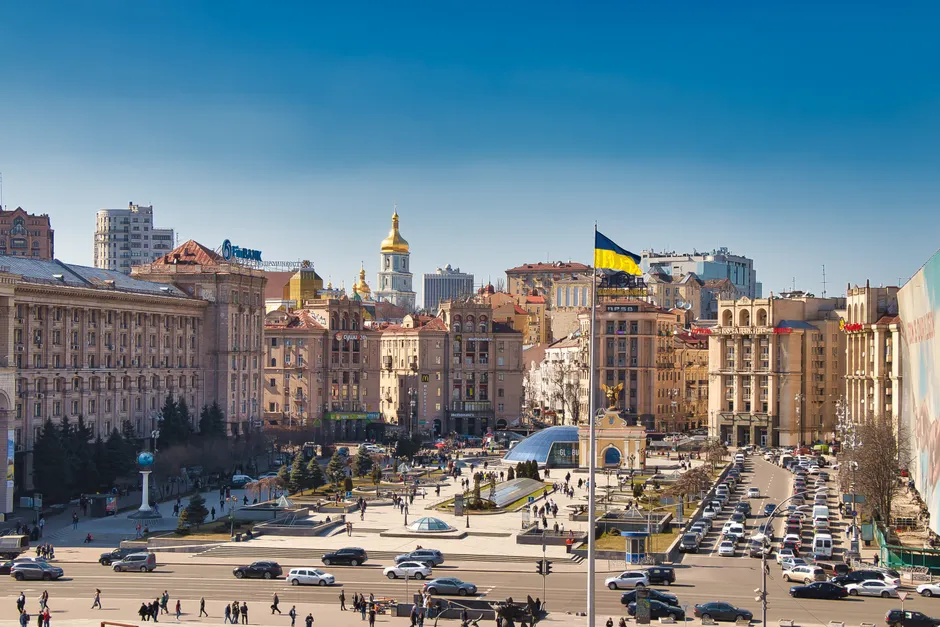
Protests began on July 16, starting in central Kyiv and spreading to other cities. Ukrainska Pravda reported rallies on July 17. By July 18, thousands of Ukrainians had taken to the streets for a third day in a row. The Kyiv Independent confirmed that protests calling for Syrskyi to be fired and Fedorov to be brought back lasted for at least five days. Protesters gave Zelensky a deadline of Friday to decide Syrskyi's fate before they planned a three-day break in the rallies. Reuters reported on July 17 that protesters in Kyiv rallied for a second day, and on July 20 that Zelensky met with military commanders as the protests continued.
The BBC reporting shows that the conflict between the two men is about both real disagreements and personal style. Syrskyi, who is 60, wrote that "Presentations should not turn into self-representations," which the BBC said was a barely hidden criticism of Fedorov's press conference the week before. He added: "Behind each slide there should be a document, a budget and a procedure. Otherwise, instead of a decision the army gets disappointment." In simple terms, Syrskyi is a career military officer who believes in following proper steps and procedures. Fedorov is younger, good with the media, and known for pushing digital innovation and openness. Their clash is like the tension between a fast-moving tech company that wants to try new things quickly and a traditional organization that believes in careful process.
Syrskyi also defended himself against accusations that he had no clear strategy or refused to use new technology. He pointed out that he oversaw the creation of a new branch of the Ukrainian military dedicated to unmanned systems — in other words, drones. He called the claim that he "supposedly does not want to fight with drones" the strangest accusation he has heard. According to the Kyiv Independent, he denied having a rift with Fedorov, though his own public comments suggest clear frustration with how Fedorov ran the defence ministry.
Public opinion seems to be against Syrskyi. The BBC reported that most Ukrainians, especially younger ones, trust Fedorov's ideas about what Ukraine needs to do to win the war. Reuters found that 61% of Ukrainians opposed Fedorov's removal. At a protest over the weekend, Tetiana Makarenko, a 44-year-old law company employee, told the BBC: "It's often said that a small Soviet army can't defeat a big Soviet army. It's time to change the mindset and start the new type of war." She said the war is changing and Ukraine needs new ideas and a new structure.
There are also reports of intimidation connected to the crisis. The Kyiv Independent reported that a military veteran and key organizer of the pro-Fedorov protests accused people close to Syrskyi of trying to intimidate him. Ukrainska Pravda reported that Zelensky spoke with Fedorov on July 18, though what they discussed has not been made public.
The broader context here is that Ukraine is dealing with tension between its political leadership and its military leadership at a point in the war when neither side can afford a long, public fight. Fedorov's short time as defence minister brought real battlefield gains, which gave weight to his push for change. Syrskyi's record, including the creation of the drone warfare branch, gives him his own claim to innovation. The conflict between them is not just personal. It reflects a deeper question: should Ukraine's war be run by a defence ministry that pushes new technology and new ideas from the top, or by a military command that focuses on following procedures and keeping a clear chain of command? Zelensky's choice to remove Fedorov and keep Syrskyi suggests he has sided, for now, with the military command approach. But with 61% of Ukrainians opposing Fedorov's removal and protests in multiple cities, that decision comes with its own political cost. The protesters' planned three-day break might give everyone a chance to cool off, but the deep divisions within Ukraine's national security system remain.