No Country Has Banned AI Glasses Outright, but Many Places Now Restrict Them

No country has a permanent, outright ban on AI glasses. Instead, a growing number of places restrict them in specific settings, according to a roundup published by Engadget on November 15, 2026.
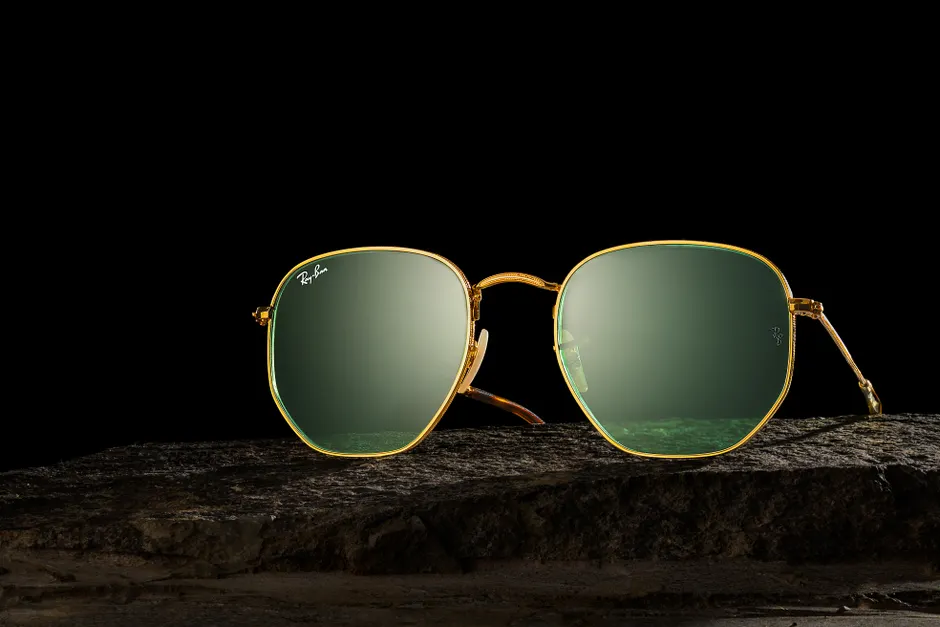
AI glasses are eyeglasses with a built-in camera, microphone and computer. Their number is growing, and so are the rules about where they can be worn.
The broadest restriction is in Pakistan. Punjab province began a 30-day ban in October 2026 on using and selling camera-equipped smart glasses that can record in secret. The rule applies only within Punjab.
The order also covers tiny cameras hidden in items such as pens and keychains. It stops retailers from getting around the rule by selling online. Punjab authorities said they had received complaints that such devices were being used for illegal spying, harassment and blackmail.
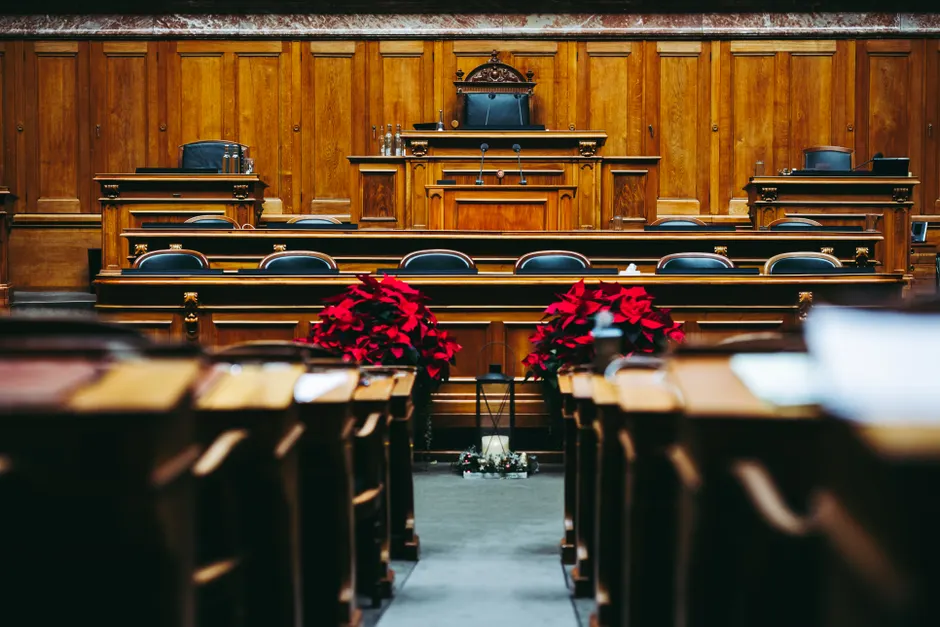
Courts form a second group. New York banned smart glasses with cameras, microphones or computers from all 1,240 state and local courts, effective July 20, 2026. Visitors must hand the devices to uniformed court officers for safekeeping. Switching the glasses off does not get around the rule.
England and Wales have barred Meta glasses from courts and tribunals, which are hearings that settle disputes. Security staff can hold the glasses until the visitor leaves.
Schools are a third group. Western Australia banned AI glasses from public schools effective October 12, 2026. The ban covers students, staff and visitors. It includes exemptions for approved medical, accessibility and educational reasons. The Australian state of Victoria has announced similar school restrictions, which take effect January 27, 2027.
Testing centers and military bases have also set rules. Smart glasses are banned at SAT test sites, even during breaks, unless an accommodation has been granted. A violation can lead to canceled scores. Marine Corps policy at Camp Lejeune and other bases does not allow smart glasses. In Australia, Canterbury-Bankstown Council has banned them at its leisure and swimming centers.
In my view, the pattern tells us more than any single rule. Governments and operators are not so much regulating a type of product as a capability: a camera and microphone worn at eye level, which often looks like ordinary glasses to the people being recorded. Most of these measures target a place, such as a courtroom, classroom, test room or pool, along with the recording function inside it. That puts the job of enforcement on guards, exam supervisors and officers at the door, rather than on the device itself. Punjab's order goes further by covering hidden cameras and online sales, which suggests regulators have noticed that a ban on one style of frame is easy to get around.
The broader context here is that the exceptions matter as much as the bans. Western Australia's medical and accessibility exemptions, and the accommodation route at SAT sites, recognize that the same device can be a useful tool for some people. How consistently those routes are applied will shape whether local bans protect privacy without shutting out people who rely on wearable technology. For engineers building these products, the practical message is that recording indicators, tools that let organizations manage devices, and controls on the device itself are becoming requirements in sensitive places, not optional extras.
What the list does not yet show is a nationwide ban. For now, the restrictions are local, focused on specific sectors and, in several cases, recent. The rules are being set one building at a time.