Germany and France Are Team Up on Nuclear Defense — Here's What's Going On
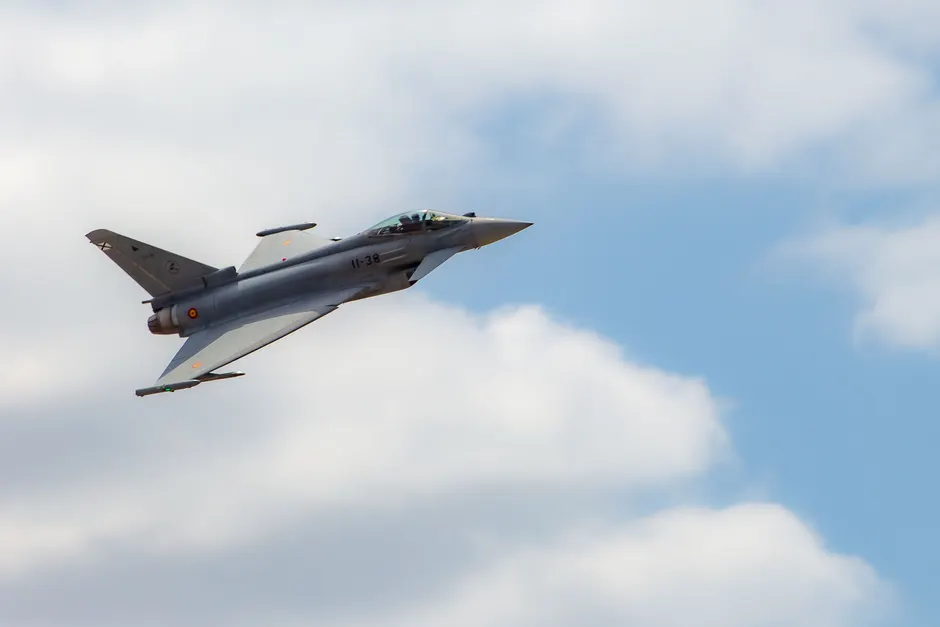
Chancellor Friedrich Merz announced on July 17, 2026, that German soldiers will take part in a French nuclear defense exercise before the end of the year. This has never happened before. Speaking alongside French President Emmanuel Macron near Cologne, Germany, Merz called it a new step in cooperation between the two countries (Al Jazeera).
Nuclear deterrence is the practice of having nuclear weapons so that no one dares attack you. Think of it as a lock on your front door: you hope no one tries to break in, but the lock is there to make sure they think twice. For decades, Germany has relied on a NATO arrangement where American nuclear bombs are stored in Germany and German planes are ready to fly them in an emergency.
The new cooperation with France adds something alongside that arrangement, not a replacement for it. A joint statement from the Franco-German Defense and Security Council meeting on July 17 said both countries are ready to help provide strong security guarantees for Ukraine (bundesregierung.de). The French presidency clarified that this cooperation complements NATO's nuclear deterrence without replacing it (elysee.fr).
Merz said Germany stays committed to NATO's nuclear sharing, under which U.S. nuclear bombs are stored in Germany and German warplanes are certified to potentially carry those weapons in an emergency (Al Jazeera).
The talks between Merz and Macron on July 17 covered nuclear deterrence, missile defense, and long-range weapons. They came amid reported strain in Franco-German defense cooperation, according to Reuters on July 16 (Reuters).
To mark the new arrangement, French Rafale and German Eurofighter jets practiced refuelling each other in mid-air on July 16. Merz said the cooperation might eventually lead to a new shared strategy, but said it is far too early to say. He noted that past German leaders had turned down French offers of nuclear cooperation (Al Jazeera).
Macron said Germany would play a leading role in the effort. He also said Germany would not be paying into France's nuclear arsenal (Al Jazeera).
This announcement did not come out of nowhere. In March 2026, Macron said France would increase its nuclear arsenal and invited European partners to cooperate more on nuclear deterrence. A joint statement by Macron and Merz on March 2 said the two countries would strengthen deterrence cooperation in response to changing threats (elysee.fr). That same day, Macron visited France's nuclear submarine base at Île Longue for the first time in six years (elysee.fr). France's foreign ministry confirmed that the two countries agreed to take first concrete steps on deterrence cooperation starting in 2026 (French Ministry for Europe and Foreign Affairs).
Back in February 2026, Germany described its initial talks with France on nuclear deterrence as being at an early stage (Reuters). At the Munich Security Conference, Merz confirmed he had started initial conversations with Macron on European nuclear deterrence (bundesregierung.de).
Several other countries have shown interest in the French nuclear deterrence effort. The UK, Germany, Poland, the Netherlands, Belgium, Greece, Sweden, Denmark, and Norway have all signaled interest (Al Jazeera).
On July 3, 2026, at a press conference in Berlin with leaders of the three Baltic states, Merz said the U.S.-led nuclear deterrence system within NATO must be strengthened (bundesregierung.de). Germany is also building up its regular military, with a goal of having Europe's strongest conventional forces by 2039 (Al Jazeera).
The July 17 developments show how European countries are balancing their existing NATO commitments with the new French initiative. The joint conclusions build on a September 2025 statement that nuclear deterrence remains a cornerstone of NATO's security (elysee.fr). The declaration also notes that France's own nuclear forces contribute to the Alliance's security (bundesregierung.de).
What this means in practice is a balancing act. Germany keeps its NATO role — the American bombs on its territory and the German planes ready to carry them — while also joining French-led exercises. This lets Berlin deepen its defense relationship with France without spending money on the French nuclear arsenal. The interest from other European countries suggests the French framework could grow into something broader, though it is too early to know what shape that would take.


