Pebble's Smartwatches Are Back: Short Warranty, Free Fixes for Cracked Glass
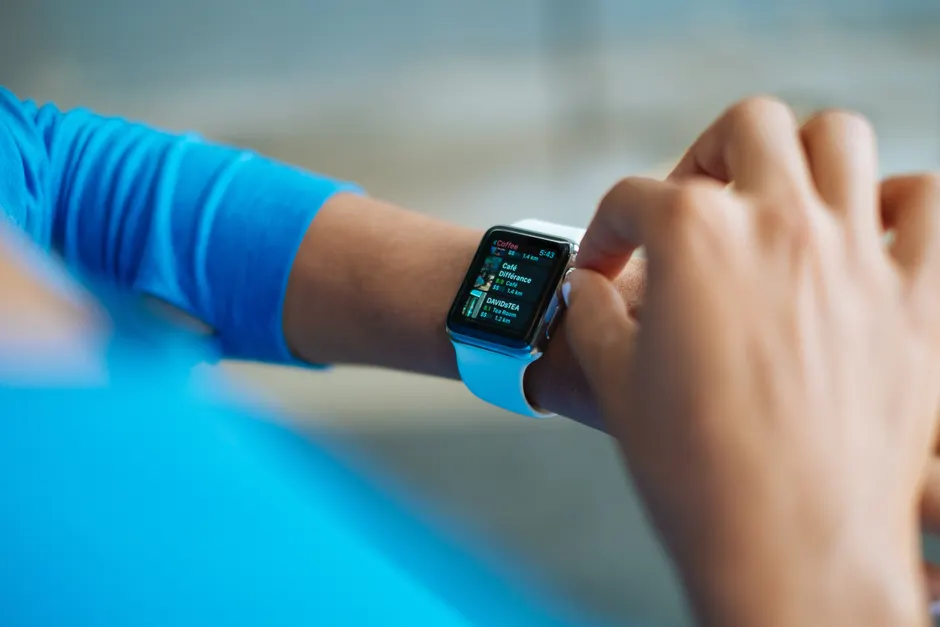
Pebble's new smartwatches come with a 30-day warranty, and the company is replacing Pebble Time 2 watches with cracked front glass for free, according to founder Eric Migicovsky. In an interview with The Verge, Migicovsky said the most important thing about the relaunch is trust. The Verge
The new Pebble Time 2 has a battery life of about 30 days and a larger screen than the original models. The screen uses e-paper technology, the same kind of low-power display found in e-readers like the Kindle, which helps the battery last so long. Some Pebble Time 2 users have reported the front glass cracking on their devices. Migicovsky called the cracking an "immensely small percentage" of units. Pebble has replaced 330 watches for free due to cracked glass, out of over 19,000 watches shipped. The Verge
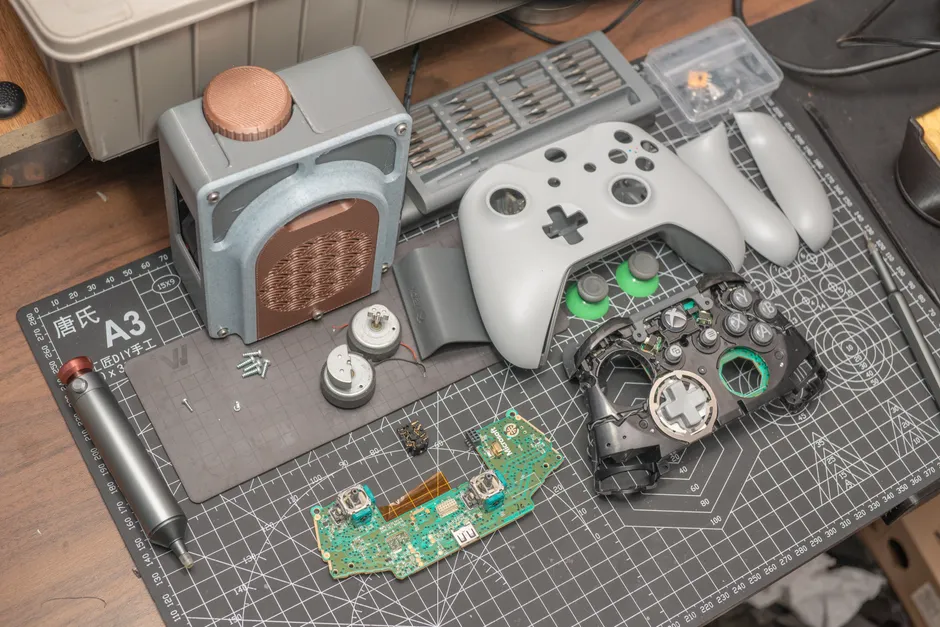
Pebble said it will keep replacing cracked glass for free as long as it can. The company plans to eventually switch to offering replacements at a big discount instead. Pebble is also looking into selling replacement parts so customers can fix their own watches. The Verge
Migicovsky described the Pebble relaunch as a "grassroots, bottoms-up relaunch." Pebble warned customers in its product announcement not to buy a Pebble 2 Duo or Pebble Time 2 if they need a "perfectly polished smartwatch." Migicovsky said Pebble cannot match the warranty length of bigger companies that have global supply chains and retail stores for handling replacements. The Verge
A 30-day warranty is very short for consumer electronics. Most companies offer at least a year. But Pebble's free glass replacement program goes well beyond that formal 30-day promise. Of the 330 replacements issued for cracked glass out of 19,000-plus shipped watches, the replacement rate is about 1.7 percent. That is a cost a small company can absorb as a gesture of goodwill, though it is unclear whether that approach stays affordable as more watches sell.
The broader context here is the tension between what a small company can promise on paper and what it can actually deliver. A 30-day warranty paired with an open-ended free replacement policy for a known defect sends a mixed signal, but it may reflect the reality of a company that simply cannot match the logistics of larger competitors. The promise to keep replacing cracked glass "as long as it can" has no defined endpoint, and the planned shift to discounted replacements leaves uncertainty for buyers who run into the problem later on.
The gap between the formal warranty and the practical support is worth noting. The 30-day window happens to match the watch's approximate battery life between charges, which is a convenient coincidence but leaves little room for buyers who discover defects after the first month. The plan to sell replacement parts for do-it-yourself repairs, if it happens, would give handy owners a way to fix their watches without depending on Pebble's ability to process replacements.
Migicovsky's honesty about these limitations is a deliberate choice. By telling customers not to expect a "perfectly polished smartwatch" and admitting that Pebble cannot match bigger companies' warranty terms, the company sets expectations low enough that the free replacement program feels generous. Whether that works depends on the crack rate staying low and on replacement glass remaining available.
The repair question also connects to a wider industry debate about the right to repair your own devices and get parts for them. If Pebble follows through on selling replacement parts, owners would have a way to maintain their watches that does not depend on the company staying in business. In my view, the relaunch is a test of whether a small hardware company can win customers through honesty rather than through long warranties or polished products. The early numbers suggest the cracking problem is under control, but the open-ended promise to keep replacing glass leaves the long-term cost an open question.