Israel Bombed Gaza Neighborhoods Past Ceasefire Lines. Here's Why It Matters.

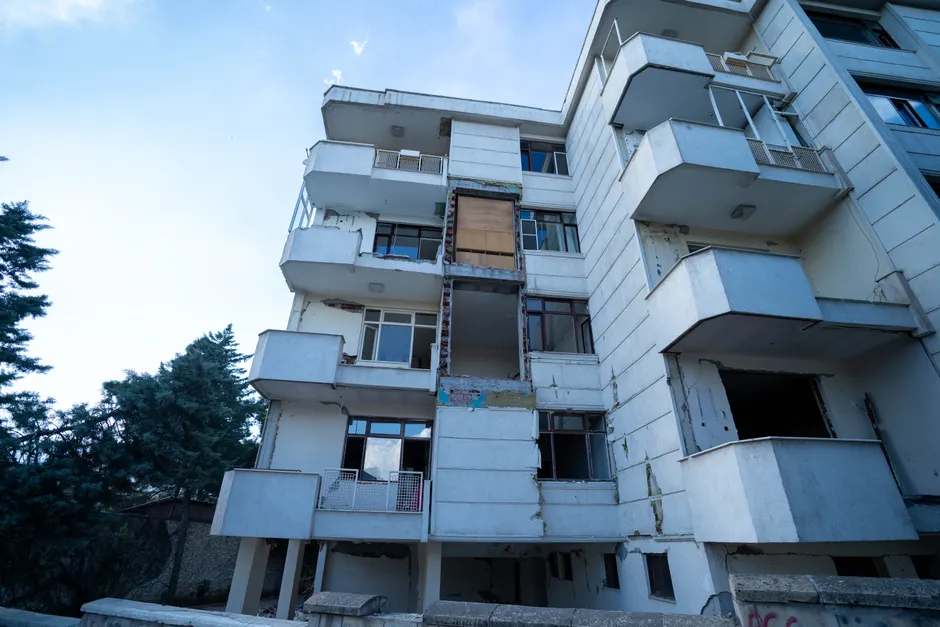
Israeli attacks on two residential neighborhoods in Gaza City killed at least eight Palestinians on July 18, 2026, according to medical sources cited by Al Jazeera. Five were killed when a warplane struck a second-floor apartment in the al-Nasr district, destroying the building and damaging a neighboring block. Three more died from artillery fire in al-Zeitoun. The casualty numbers came from medical workers at Al Shifa hospital. Rescue teams were still searching through rubble in al-Nasr for people who might be trapped, and unnamed sources warned the death toll could go higher.
Israel confirmed it carried out strikes across Gaza, according to an Associated Press report carried by Al Jazeera.
These attacks matter because they crossed a boundary called the "Yellow Line." This is a line that Israeli forces agreed to stay behind as part of a ceasefire deal brokered (negotiated) by the United States in October 2025. Think of it like a fence both sides agreed not to cross. The strikes on al-Nasr and al-Zeitoun, both neighborhoods inside Gaza City, went past that fence.
A day earlier, on July 17, Israeli attacks across Gaza killed 14 people. Eight of them were mourners at a funeral procession — a line of people walking together to honor someone who had died. The funeral was for a Palestinian killed by Israel earlier that same day. Also on July 17, Gaza health officials said Israeli warplanes struck a group of civilians near the Al-Balata market in the Nuseirat refugee camp, killing eight. These back-to-back strikes are part of a pattern through the spring and summer: on July 8, air strikes killed at least eight, including two children aged 10 and 6; on June 27, eight were killed; on June 4, eight were killed and 15 injured in Gaza City; on March 15, an airstrike on a vehicle killed eight.
Gaza's Health Ministry, as cited by Al Jazeera, says at least 1,127 Palestinians have been killed since the ceasefire began. That includes at least 260 children. Earlier, the BBC reported in April that 792 had been killed and 2,200 injured, meaning the pace of deaths has sped up a lot over the following three months.
Al Jazeera correspondent Hani Mahmoud, reporting from Gaza, said that Israeli military expansion was shrinking and dividing Palestinian territory into smaller pieces.
The broader context here is one of steady breakdown. The October 2025 ceasefire was meant to stop the fighting and keep Israeli forces within certain geographic limits. Instead, with 1,127 deaths since it took effect, the agreement seems to have changed when and where violence happens rather than stopping it. The Yellow Line was supposed to prevent the exact kind of advance now taking place. If the line is treated as a suggestion rather than a rule, the ceasefire loses its main tool for keeping the two sides apart.
There is also a practical issue with the numbers. Al Shifa hospital, which has itself been a target of Israeli military operations earlier in the conflict, is still the main source of casualty figures that reach international news agencies. When rescue teams are still digging through rubble, early death counts almost always go up, as unnamed sources in Al Jazeera's reporting warned.
The key question now is whether anyone will respond to this breach. The United States, which negotiated the ceasefire, has not been reported as commenting on the July 18 crossing. No enforcement action from Washington, the UN, or any other monitoring body has been documented so far. That silence fits the pattern since October 2025: each new round of strikes produces higher casualty numbers but no visible change in how the ceasefire is enforced.