Why Is Israel Still Attacking Gaza After a Deal Was Reached?
Israeli airstrikes killed at least eight people in homes across Gaza overnight, for the second night in a row. This happened just days after Hamas agreed to a deal, arranged by the United States, to give up its weapons Reuters.
Here is what that deal involves: Hamas, the group that controls Gaza, agreed to hand over its weapons to a neutral body called the Board of Peace, set up by President Donald Trump. The plan also says Israel should eventually pull out of Gaza. Trump said Israel was "very happy" with the agreement.
But the attacks did not stop.
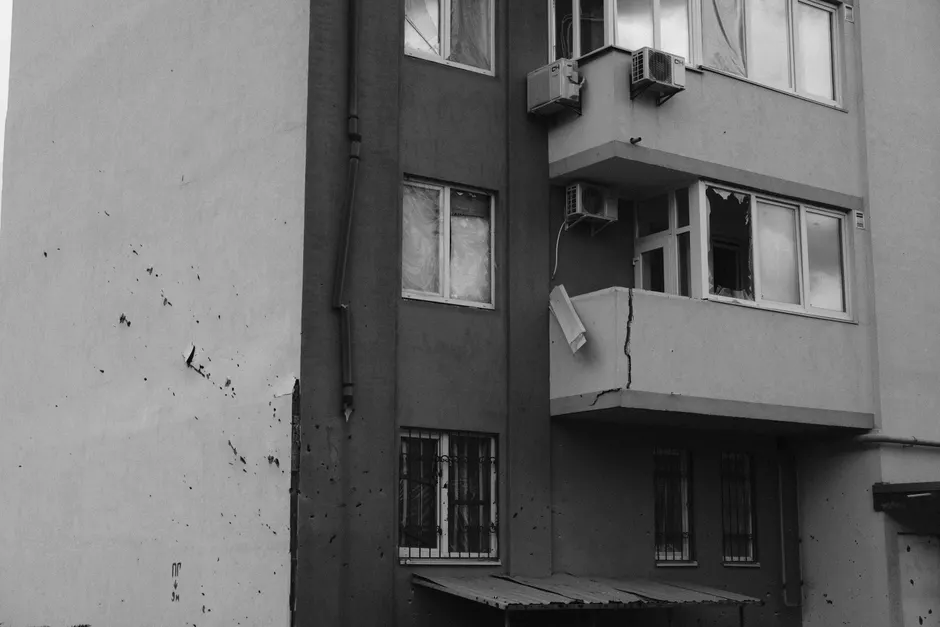
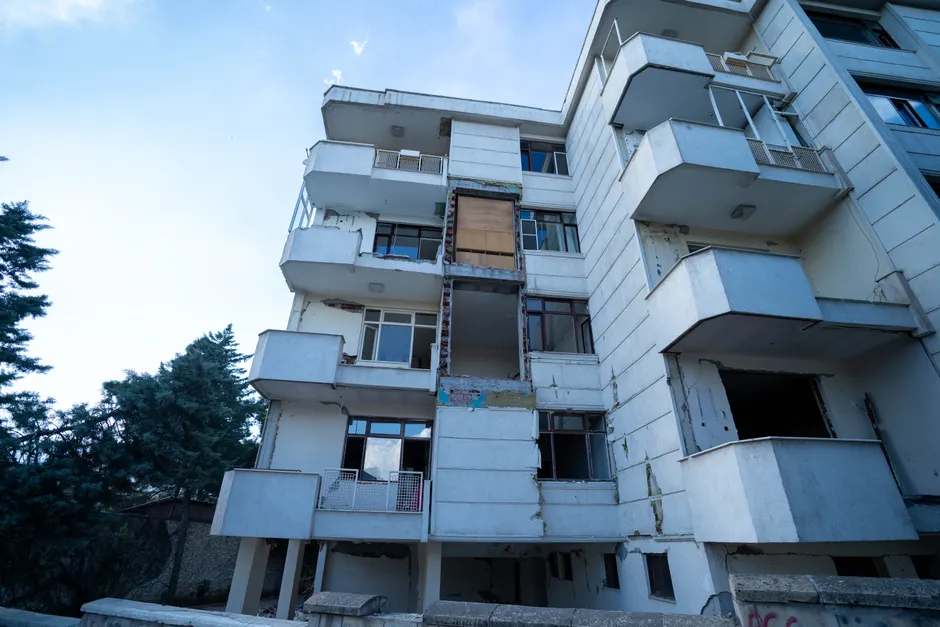
Palestinian health officials said two people, including a child, were killed in a strike on a home in Gaza City. Another person was killed near Jabalia in northern Gaza. In Khan Younis, a father, mother, and their nine-year-old son died when their house was hit. A man and woman were killed when their apartment building was struck in Deir el-Balah BBC. More than 1,100 Palestinians have been killed since a ceasefire, which is supposed to be a pause in fighting, began last October.
The Israeli military said it was targeting Hamas fighters. In a post on X, the IDF said it killed two Hamas commanders, one from an elite unit called the Nukhba force and one from the Maghazi Battalion. The IDF also said it killed a Hamas fighter from the Jabalia Battalion in a separate attack last week BBC.
Israel's Energy Minister Eli Cohen said on Sunday that no deal had been reached to stop the attacks. He went further, saying Gaza should be under full Israeli control if Hamas does not give up its weapons, even though the Board of Peace plan says Israel should withdraw BBC.
The broader picture is that the deal on paper and the reality on the ground do not match. Hamas agreed to hand over its weapons, and Trump said Israel was satisfied. But Cohen's comments, coming just days after the agreement, show that some Israeli officials see the deal as conditional at best, or not enough of a reason to stop military action. Cohen also said Gaza is already under about 70% Israeli control, which suggests Israel holds most of the territory regardless of the agreement.
The attacks on homes and the civilian deaths, including children, raise questions about how the deal is supposed to work in practice. If the agreement includes Israel pulling out, continued strikes on homes make any timeline harder to follow. Cohen's call for full Israeli control if Hamas does not disarm effectively treats the military campaign as a replacement for the deal, not a partner to it.
The night before, on July 31, strikes killed seven people across Gaza and destroyed a building storing medical supplies, according to Al Jazeera Al Jazeera. Gaza's Health Ministry called the strike on medicine stores "heinous." Reuters confirmed the destruction of the medical warehouses and reported two Palestinians killed in the Sheikh Radwan area of Gaza City Reuters. On July 30, health officials reported that separate Israeli strikes killed at least two children, a woman, and three men in Gaza Reuters.
Taken together, the pattern is clear. Night after night, strikes have hit homes and medical supplies. The death toll has passed 1,100 since the October ceasefire. The disarmament agreement has not stopped the fighting, even temporarily. Whether the Board of Peace plan can work while the attacks continue and Israeli officials disagree among themselves is an open question. Cohen's statements show that at least one senior minister wants to abandon the withdrawal part of the deal entirely and keep full control of Gaza, which would change the agreement in a fundamental way.