EU's New Border Checks Are Making British Holidaymakers Wait Three Times Longer at Passport Control
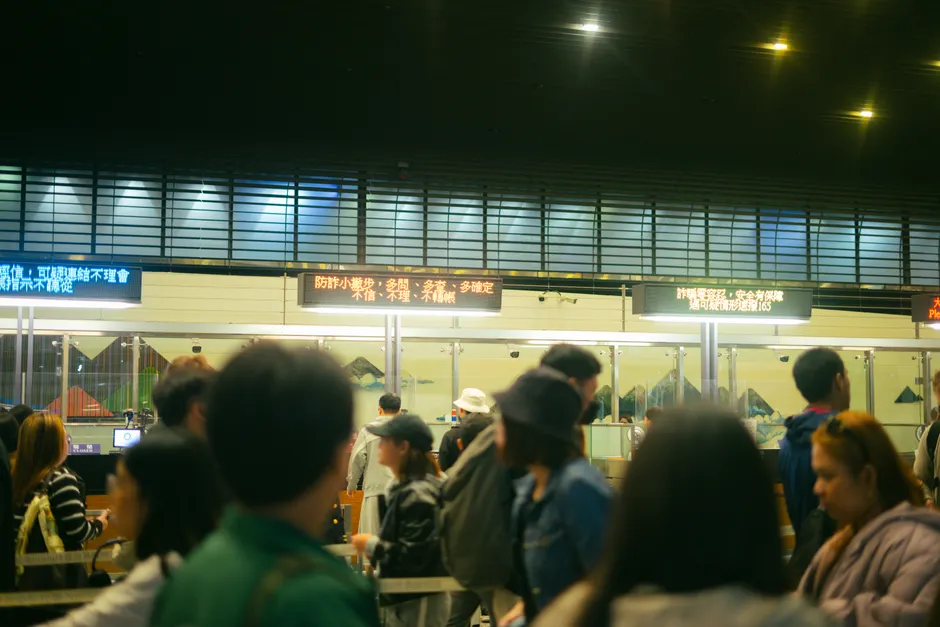
A senior official at Rome's main airport has said that the EU's new Entry/Exit System (EES) has nearly tripled the time it takes for British travellers to get through passport control, even after improvements were made. The news, reported by the BBC on 19 July 2026, comes during the busiest summer holiday season, when millions of people are travelling and the new system is under intense pressure. The EES has been introduced in stages at European airports since October 2024 and became fully operational on 10 April 2026, according to the European Commission BBC European Commission.
The EES requires people who are not EU citizens to have their fingerprints and a photograph taken when they enter the Schengen area, and checked again when they leave. The Schengen area is a group of 29 European countries that have agreed to let people move freely between them without regular passport checks at their shared borders. EU citizens do not have to go through the new registration system, the European Commission confirmed in a press briefing on 6 July 2026 European Commission.
The BBC does not name the specific Rome airport boss who described the tripling of passport control times. The information was gathered through the BBC's own reporting, along with interviews with border police at Portugal's Faro airport and with members of the public in Rome BBC.
Border police at Faro told the BBC that the EES technology has had bugs, but they said queues there would decrease quickly. The European Commission has said that disruption at most EU airports is limited and that it will continue to support countries in putting the system into practice BBC.
Some European airports have seen queues lasting for hours at passport control because of the EES, and passengers have reported missing their flights home BBC.
Airlines and airports have been pushing back for months. On 1 July 2026, The Guardian reported that they had called for the EU system to be paused during the peak summer holiday period The Guardian. On 23 June 2026, CityAM reported that Europe's airport chiefs had warned they did not know how airports would cope with the delays caused by the new system CityAM. Ryanair, which had already warned UK passengers travelling to Europe in summer 2025 to prepare for longer waits at passport control, called the EES rollout "failed" and blamed it for unnecessary delays and long queues BBC. Ryanair's official help website continues to display notices warning passengers about increased queues due to the EES Ryanair.
The central tension here is between what the European Commission says is happening and what airport staff on the ground are reporting. The Commission says the disruption is limited. But the Rome official's account of processing times nearly tripling for British travellers, who make up a large share of arrivals, suggests that "limited" may not reflect the reality at busy airports during peak season. British travellers are hit especially hard because, after the UK left the EU, they no longer get to use the faster EU citizen lane and must complete the full registration process every time they enter.
The timing makes things harder. The system became fully operational only weeks before the summer rush, leaving little time to fix problems before crowds arrived. Airports that asked for a suspension in early July said they wanted a temporary break for the summer, not a permanent end to the system. The Commission's refusal to suspend it, along with its promise of continued support, shows it plans to work through the problems rather than pause.
Several things will decide whether the situation gets better or worse. The bugs that border police at Faro acknowledged suggest the technology itself is part of the problem, not just the time it takes staff to get used to new procedures. Whether those bugs are fixed before the busiest late-summer travel period could make the difference between gradual improvement and ongoing disruption. The gap between Ryanair calling the rollout "failed" and the Commission calling the disruption "limited" also leaves travellers without a clear sense of what to expect, especially since wait times seem to vary a lot depending on the airport.
For airports, the EES adds a step that did not exist before. Every non-EU passenger now has to have their fingerprints and photo captured, and no amount of extra staff can fully make up for that added time. Until the technology becomes more reliable and wait times come down, the gap between what the EU designed and what airports can actually handle will remain the story.