Europe's New Border System Is Causing Massive Airport Delays — And Airlines Want the Power to Turn It Off

In April 2026, the European Union switched how it processes passengers entering its airports. Instead of getting a stamp in your passport, the system now takes your fingerprints and digital photo — automatically recording everyone who enters and leaves the Schengen Area (a zone covering 29 European nations with few internal borders). The idea was to make border control faster and more secure. But it's doing the opposite.
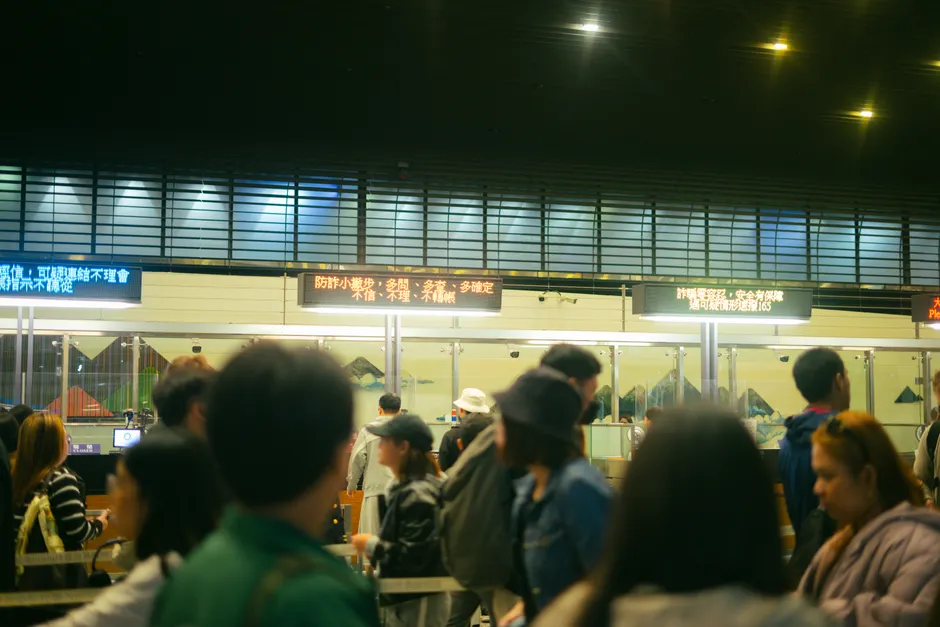
Queues at major European airports are now lasting four to six hours. On June 29, 2026, airline groups and airport operators sent a letter to the head of the European Commission asking for permission to temporarily turn off this new system when crowds get too large. Forbes reported on June 23 that waits of this length were common at busy hubs.
The system is called the Entry/Exit System, or EES. It launched on April 10, 2026, following EU rules set out in 2017. Its purpose is sensible: a single database where EU border officers can instantly check who is entering, leaving, or trying to overstay across all 29 Schengen countries. But the technology can't process passengers fast enough in real-world conditions.
Warnings Before the Launch
The airline industry tried to flag this problem early. Back in February 2026, major airline groups told the European Commission to test the system thoroughly before turning it on, worried that peak summer travel would expose flaws. The Guardian also reported in February that even though border officers could skip some fingerprinting steps during busy times, it wouldn't be enough to handle summer crowds. The system launched anyway, on schedule.
Now airports are in a bind. Long queues don't stay at the border gate — they spill into terminals, slow down flights, and create missed connections. Airlines operating hub airports (where planes connect to other destinations) are especially hurt because a four-hour delay can wreck an entire network of connecting flights.
By late June, frustration reached a breaking point. Rome's airports said they would simply stop using the new system to prevent chaos. That's a bold move for an airport legally required to follow EU law. The formal letter from airlines to the European Commission, published June 29, made the same case as a coordinated position: give us permission to pause the system when it becomes overwhelmed, at least through October 2026.
Technically, the EU rule that created this system already allows Member States to pause it temporarily. The rules permit suspension for up to 12 months and potentially longer. Airlines aren't asking to scrap the system entirely — they're asking the Commission to let them use a pause button that already exists in the rulebook.
The real question is whether the Commission will act. Brussels invested years getting this system approved and launched, and officially pausing it could feel like an admission that things moved too fast. But airports are already threatening to deactivate it anyway, acting on their own. The Commission has a narrow window to find an orderly solution before summer peak travel makes the problem worse.