Russia Hit Kyiv With Its Biggest Missile Attack of the War
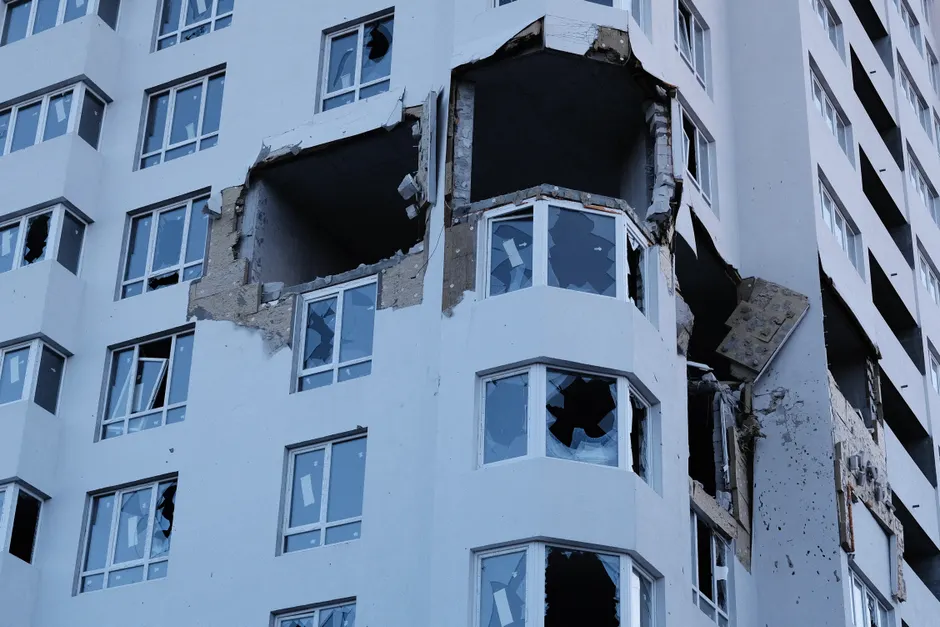
Russia fired 41 missiles at Kyiv overnight on July 19, 2026, the largest missile attack of its kind on the capital since the war started. Ukraine's air force said it shot down 18 of the 41 missiles. The attack killed one person and injured at least 15, though officials warned those numbers could still rise (Al Jazeera).
The missiles were launched from Russia's Bryansk region at about 2:05 a.m. local time, according to the Kyiv City Military Administration (24 Kanal). The KMVA confirmed one death and eight injuries, with six people taken to the hospital. The Associated Press also reported one killed and eight injured, citing local authorities (AP via KSAT). Deutsche Welle confirmed that Russian missiles struck Kyiv and triggered an emergency response (DW). Focus.ua also reported the KMVA's confirmation of the overnight strike (Focus.ua).
Ukraine's State Emergency Service said the strikes started fires across the city and damaged homes, offices, an industrial site, a dormitory, and vehicles. Ukraine's national police said the attacks hit six districts of the capital.
Foreign Minister Andrii Sybiha called the attack "a brutal terrorist attack on the Ukrainian capital" in a post on X, saying Russia fired more ballistic missiles than in any single attack since the war began (Al Jazeera).
The attack on Kyiv was not the only one that night. Regional official Oleksandr Ganzha said Russian drones hit the Dnipropetrovsk region, killing one person. Ukraine's national railway company said a Russian drone struck a passenger train in the Zaporizhia region, killing the conductor.
Ukraine also said its forces struck two Russian oil tankers in the Black Sea, as reported on July 19 (Al Jazeera).
The different injury counts across news sources are normal in the early hours after an attack. Al Jazeera reported at least 15 injured, the highest number, citing local officials. The KMVA's initial count was eight, as reported by RBC Ukraine. The KMVA said its figures were preliminary, according to 24 Kanal (24 Kanal).
The broader context here is one of escalation in both scale and targeting pattern. Ukraine shot down 18 of the 41 missiles, a rate of about 44 percent, which is lower than in past large attacks on the capital. The specific types of missiles among the 41 have not been made public. The simultaneous use of missiles against Kyiv, drone strikes on infrastructure in Dnipropetrovsk and Zaporizhia, and Ukraine's own strikes on Russian oil tankers in the Black Sea all point to a wide-ranging overnight exchange rather than a single attack.
Ballistic missiles are different from other weapons Russia has used, like cruise missiles or the slow, propeller-driven drones called Shaheds. Ballistic missiles travel extremely fast and give Ukraine very little time to respond. Think of the difference between hearing a fire alarm with minutes to evacuate versus seconds. A barrage made up mostly of ballistic missiles puts heavy pressure on Ukraine's most advanced air defense systems, the Patriot and SAMP/T, which are the ones able to shoot down these fast-moving targets. The logistics behind Russia putting together a volley this large, and Ukraine's decision to hit Russian energy assets at sea at the same time, are both worth watching.
The casualty figures remain preliminary and may rise as emergency services continue their work across the six affected districts.


