Why India Banned a Student March to Parliament

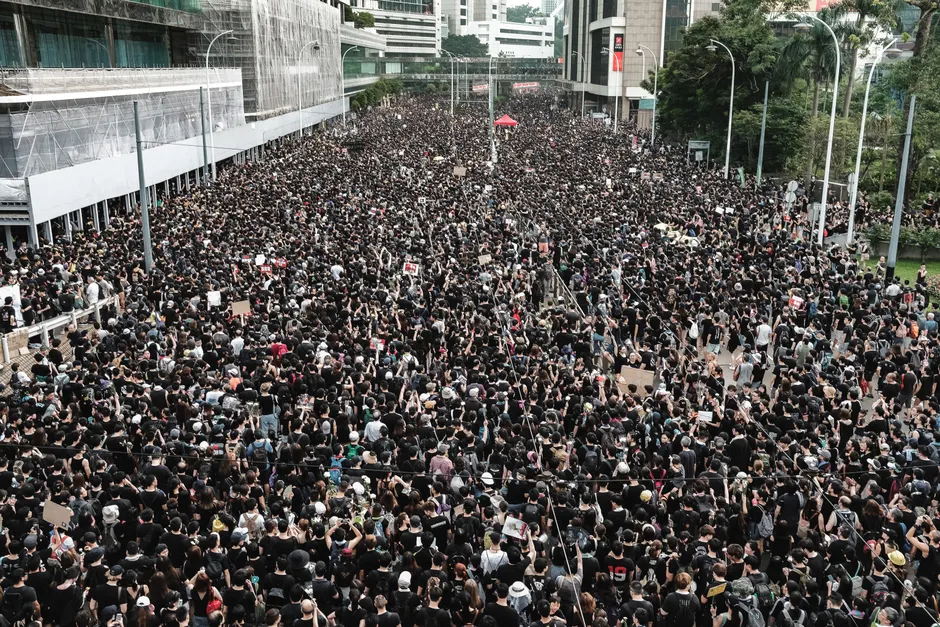
Delhi Police on July 19, 2026 banned a planned march to India's Parliament by a group called the Cockroach Janta Party (CJP). Police said the July 20 march was not authorised, meaning the government had not given permission for it. France 24. The ban came as hundreds of students and supporters gathered at Jantar Mantar, a large open area in New Delhi that has long been used as a place for protests. Security was increased across the capital. PTI
The CJP was founded by Abhijeet Dipke. The group organised the march to protest against exam paper leaks and to demand changes to India's education system. Al Jazeera. A paper leak happens when exam questions are shared before the test takes place. In India, big exams can decide whether a student gets into medical school or lands a government job, so a leak can mean the whole process is unfair. The movement has also added climate-related issues to its list of demands. The Hindu. Dipke addressed the crowd at Jantar Mantar, where the CJP issued a statement at 2:30 AM on July 19 saying its demands had not changed. CJP Official Account. Dipke described the march as "the biggest march in India's history." ANI. He also demanded the resignation of Prime Minister Narendra Modi. Al Jazeera. The Associated Press reported that Dipke spoke with AP reporters at the protest ground in Delhi. AP
The protest drew a well-known figure: activist Sonam Wangchuk, who was linked to the CJP's march. BBC World. Delhi Police had already forcibly removed Wangchuk from the Jantar Mantar protest site on the morning of Saturday, July 18, 2026. The Wire. He was on the 21st day of a hunger strike, meaning he had refused to eat food for over three weeks to draw attention to his cause. Police presence around Jantar Mantar had been increased before the action. New York Times. According to eyewitness accounts, the removal took about five minutes. Times of India. Wangchuk was subsequently admitted to hospital. The Independent
The CJP announced five exam reform demands in June 2026. These include compensation for people affected by exam leaks and a shift to paper-based evaluation instead of online testing. Hindustan Times. The movement has been building pressure over recent weeks. CJP protesters held a large demonstration outside the National Testing Agency (NTA) headquarters over the NEET paper leak. NEET is the exam students take to get into medical school in India, and its leaked question paper became a major scandal. The CJP also organised a protest in Lucknow on June 12 against exam leaks. Indian Express. An Associated Press photo dated July 10, 2026, depicted paper-leak protests by the CJP in New Delhi. AP. The AP also sent out a report on the movement's attempted Parliament march through its news service. WSLS/AP
The government's response to the CJP has been forceful. Union Education Minister Dharmendra Pradhan called the Cockroach Janta Party "Terrorists' B-Team." NDTV. Authorities have also taken action against individual participants. A guest teacher from Rohtak was suspended after joining the CJP protest in Delhi, with the District Elementary Education Officer citing violation of conduct rules. The Hindu. In another case, teacher Sulekha Dalal, who was sacked for participating in the CJP's Delhi protest, later had her job reinstated. Hindustan Times
The broader context here is a growing clash between a student-led protest movement and a government that has shown little interest in meeting its demands. The CJP started with a specific complaint — exam paper leaks that cast doubt on whether India's exam system is fair — but has grown to include climate demands and a call for the Prime Minister to step down. That shift from a single issue to a wider challenge against the government follows a pattern seen in earlier Indian protest movements.
Removing Sonam Wangchuk on day 21 of his hunger strike raises questions about how much protest the government is willing to tolerate at Jantar Mantar, a place historically set aside for exactly this kind of demonstration. Clearing the site of a well-known activist on hunger strike suggests a deliberate decision to tighten enforcement. Banning the Parliament march outright, rather than allowing it with restrictions, also narrows the options the movement has to make its demands visible to the public.
Pradhan's decision to call the CJP "Terrorists' B-Team" is worth noting. Framing a student-led education movement in national-security terms, rather than addressing the substance of the paper-leak allegations, shifts the conversation toward policing and administration rather than reform. Whether that approach contains the movement or fuels its further growth is the central question as the CJP's supporters regroup at Jantar Mantar.