What's Going On Between the US and Iran in 2026?

On July 20, 2026, Secretary of State Marco Rubio said Iran is using the Strait of Hormuz as a tool to gain advantage, called on other countries to do more, and said the United States is still "open to diplomacy" — but added that "it has to be real, it has to be a deal" of substance. ABS-CBN News
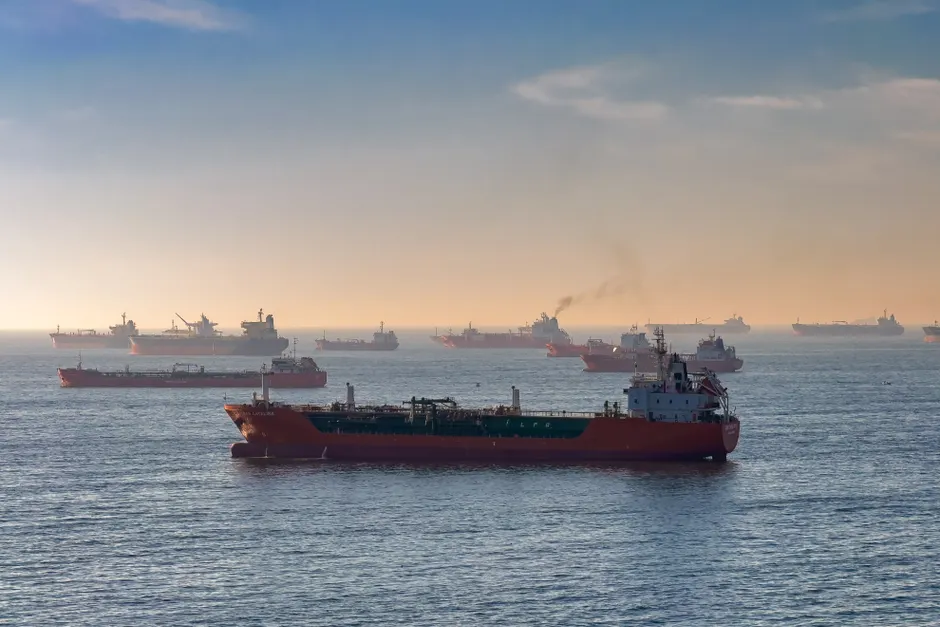
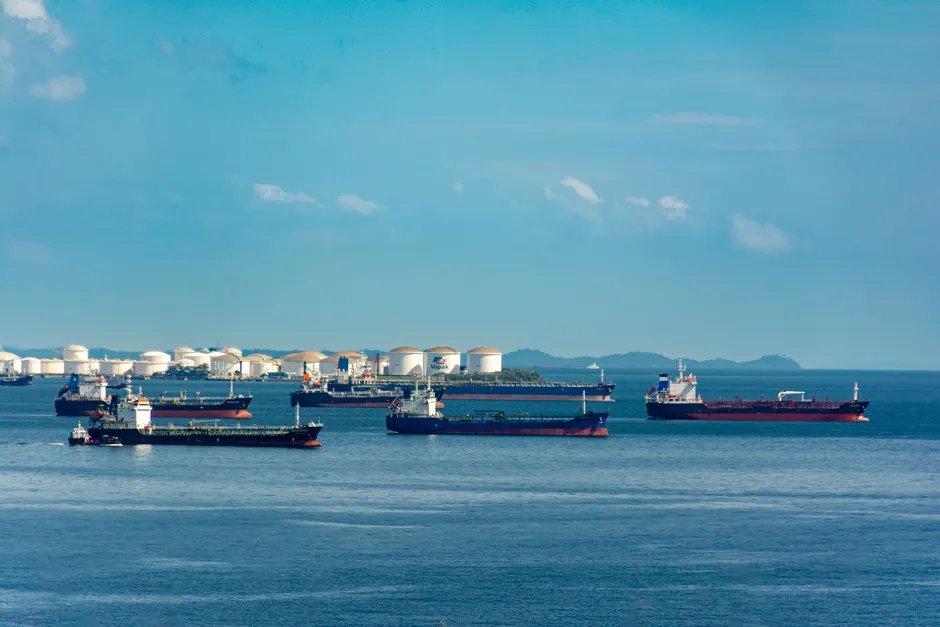
The Strait of Hormuz is a narrow waterway between Iran and Oman. A large share of the world's oil passes through it every day. If Iran interferes with shipping there, it affects fuel prices and supply chains worldwide.
Rubio's remarks came while the US military was carrying out ongoing strikes against Iran. He had said something similar on or around July 18, that Washington was still open to diplomacy even as the strikes continued. That same message came again on a Sunday in mid-July, when the US launched a ninth straight night of military operations. Iran International Hiru News
This two-part approach — military action plus an open door to talks — has been the pattern all year. In February, a State Department transcript showed Rubio saying that "the President's made clear he prefers diplomacy." The White House repeated that point on February 24, saying President Trump's first choice on Iran was diplomacy, and Reuters reported that Rubio was expected to brief US lawmakers on the subject. State Department Reuters
By late May, the tone had gotten tougher. On May 22, Rubio said the United States had seen some progress toward a deal but that more work was needed. Three days later, on May 25, he drew a harder line, saying the US would either have a good agreement with Iran or deal with the country "another way." Reuters Reuters
On June 2, as the war entered its fourth month, US lawmakers questioned Rubio about Iran during what appeared to be a congressional hearing. Rubio insisted that any sanctions relief would require Iran to give up its nuclear program. Sanctions are economic penalties that countries use to pressure others — in this case, restricting Iran's ability to trade and access money. Rubio was setting up a direct trade: Iran gives up its nuclear program, and in return gets relief from those penalties. Reuters
Later that month, Rubio traveled to the United Arab Emirates, Kuwait, and Bahrain from June 23 to 25, according to the State Department's public schedule. Reuters had reported on June 22 that the trip was to discuss an Iran deal with Gulf allies, meaning the administration was checking in with countries in the region about what a possible agreement might look like. State Department Reuters
When Rubio brought up the Strait of Hormuz on July 20, he broadened the situation beyond just the US-Iran nuclear dispute. By saying Iran is using the strait as leverage, he cast the problem as a threat to global trade, not just an American concern. That may explain why he asked other countries to "step up" — nations that rely on oil passing through the strait have a direct interest in keeping it open.
Looking at Rubio's statements across the year, you can see the conditions getting stricter over time. In February, the message was simple: the US prefers diplomacy. By May, he was offering two options: a good agreement, or something unspecified. By June, the condition was clear: Iran must abandon its nuclear program to get sanctions relief. By July, he was saying any diplomacy "has to be real, it has to be a deal" of substance. That phrasing gives the administration room to walk away from an agreement it doesn't like while still saying the door is open.
What we don't know from the public record is whether Iran has shown any willingness to accept the condition Rubio laid out in June — giving up its nuclear program entirely in exchange for sanctions relief. The fact that Rubio was talking with Gulf allies in late June suggests the US is at least trying to get nearby countries on the same page before any direct talks with Iran.