The US and Iran Are Fighting Over a Key Oil Route — Here's What's Going On

US Secretary of State Marco Rubio told a meeting of Southeast Asian nations in Manila on July 22, 2026, that the United States is still willing to negotiate with Iran. But he accused Iran of not being serious about talks. His remarks came as the US carried out attacks against Iran for an eleventh night in a row. The day before, President Donald Trump threatened again to strike Iran's nuclear facilities at Natanz (Al Jazeera).
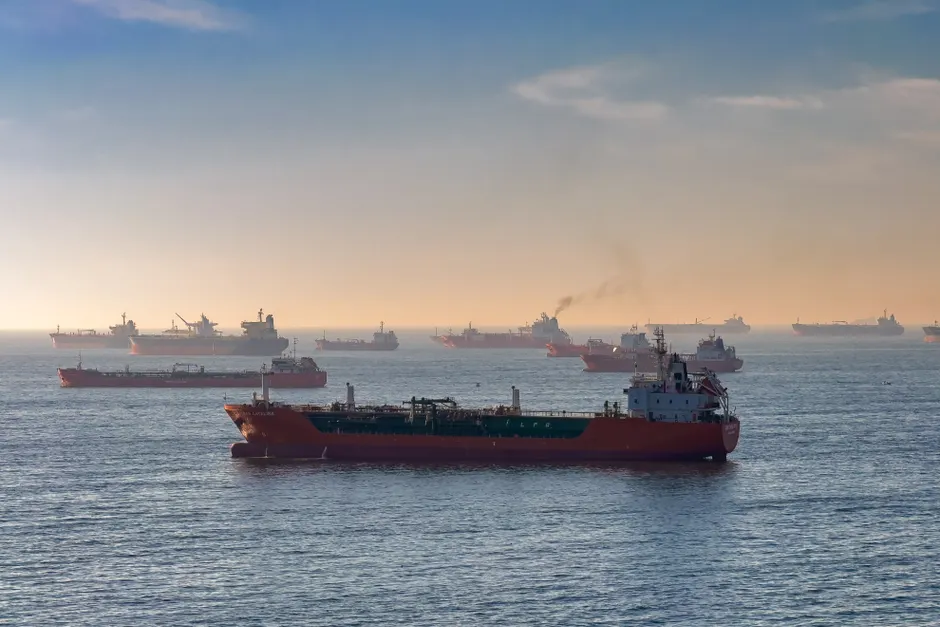
Rubio's sharpest comments were about the Strait of Hormuz, a narrow strip of water between Iran and Oman. About one-fifth of all the oil shipped worldwide passes through it. Think of it as a highway that almost everyone depends on, but only one country is now trying to control the tollbooth. Rubio said Iran wants authority over which ships can pass through the strait, and he said no existing international law allows that. Iran has also demanded that all ships using the strait sail close to its shores (Reuters.
The disagreement over the strait has turned into real violence. Iran fired at oil tankers there earlier in July, and US attacks on Iran took place near the port of Bandar Abbas on July 12 (AP News). Those events set off a cycle of retaliation that has led to ongoing American military action. An Iranian health ministry official says fifty people have been killed and 500 wounded in the recent US attacks.
The nuclear issue raises the danger even further. Iran's military command, called Khatam Al-Anbiya, said that any attack on its nuclear facilities would count as an expansion of the war. It warned it could then strike at all interests of the United States, its allies, and its supporters. Trump's July 21 threat to target Natanz, Iran's main nuclear site, raises the possibility of crossing that line.
Rubio's approach in Manila, offering to talk while publicly saying Iran is not serious, follows a pattern from earlier in the conflict. In late May, he said the United States had seen some progress toward a deal but that more work was needed (Reuters. After that, technical talks wrapped up in Doha, Qatar. Those talks focused on the Strait of Hormuz, and both sides initially agreed to let shipping resume through the waterway (Reuters). That agreement has not held.
The broader context here is that the negotiations have gotten narrower in what they cover, while both sides have added more military pressure. The Doha deal solved one specific problem, getting ships moving through Hormuz again, but it did not address the deeper security disputes between Washington and Tehran. With that limited deal falling apart and military strikes now in their second week, the diplomatic channel Rubio mentioned in Manila has no publicly known plan, schedule, or mediator behind it. The ASEAN meeting itself was just a stage; it gave Rubio a regional audience for statements aimed mainly at Tehran and at allied governments worried about shipping disruptions.
The central question is whether the gap between Washington saying it wants to talk and waging military strikes at the same time is a strategy to pressure Iran into a deal, or a sign that diplomacy is being left behind. Iran's warning that any strike on its nuclear facilities would expand the war sets a boundary that the Trump administration is now openly considering crossing. The Strait of Hormuz is where all of these tensions meet: the flow of oil, the freedom of ships to travel, and the question of how far each side is willing to go.