What's the Fight About Tolls Through a Key Oil Shipping Route?
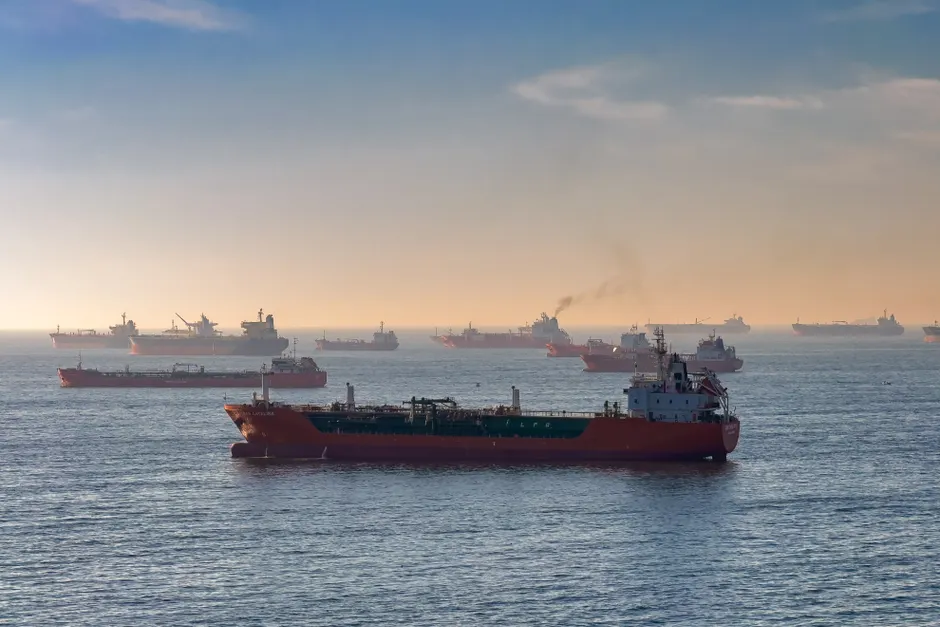
Secretary of State Marco Rubio has said repeatedly since late June that the US will not allow Iran—or any country—to charge fees for ships passing through the Strait of Hormuz. This is a narrow body of water between Iran and Oman where roughly one-quarter of the world's seaborne oil travels. The Guardian reported that countries friendly to the US in the Gulf region are also pushing to make sure this rule is written into any final deal with Iran.
The dispute started when Iran suggested it might collect fees from ships passing through the strait. The US treats this idea as a serious threat—something like a blockade that could choke off oil supplies and leverage pressure on the world economy. Al Jazeera explained the details on June 24, and DW noted that the US and Iran are telling different stories about what Iran actually proposed. No one outside both governments has been able to verify what really happened.
The Trump administration has treated the Strait of Hormuz as a major priority before. In April, the White House said Trump ordered additional US naval ships to the area to counter what it called Iranian threats and protect the waterway. The White House connected this decision to its broader goal of American energy independence. A year earlier, Trump had warned Iran that shutting down the strait would be economic disaster for Tehran—a warning the White House highlighted at the time.
By mid-June, the administration changed its tone. On June 19, the White House announced a deal with Iran that would keep the strait open and require Iran to end its nuclear weapons program. The White House did not explain how these terms would be checked or enforced. The fact that Rubio is still warning about toll restrictions weeks later suggests this part of the deal may not actually be settled yet.
There is a pattern worth noting: the Trump administration has made claims about Iran talks and agreements that other parties have contradicted. The New York Times reported in March that Trump said he was in talks with Iran while Iranian officials denied it. Earlier that month, the Times reported that facts did not back up another Trump claim about oil flowing through the strait. Neither of these disagreements was ever officially resolved, according to the Times.
The key question is whether Iran ever actually proposed charging tolls, or whether Rubio and the White House are warning against something Iran was only considering as a negotiating tactic. The gap between the White House saying it has a deal and the Gulf countries insisting weeks later that toll guarantees must be in writing suggests the agreement may not be as final as the administration claims. It is unclear whether this is just a normal delay in working out details or a sign of a deeper disagreement.
For countries that sell oil through the strait—mainly in the Gulf—this toll question matters a lot. If Iran could charge fees, even small ones, it would have control over one of the world's most important shipping routes. That is why Gulf countries want the rule against tolls written down, not just promised by the US. The pattern of conflicting statements since March suggests that whatever agreement emerges will depend much more on what the actual terms are than on what either side says in public.