A Brisbane Mum Had Four Identical Baby Girls at Once — and It's a One-in-15-Million Event
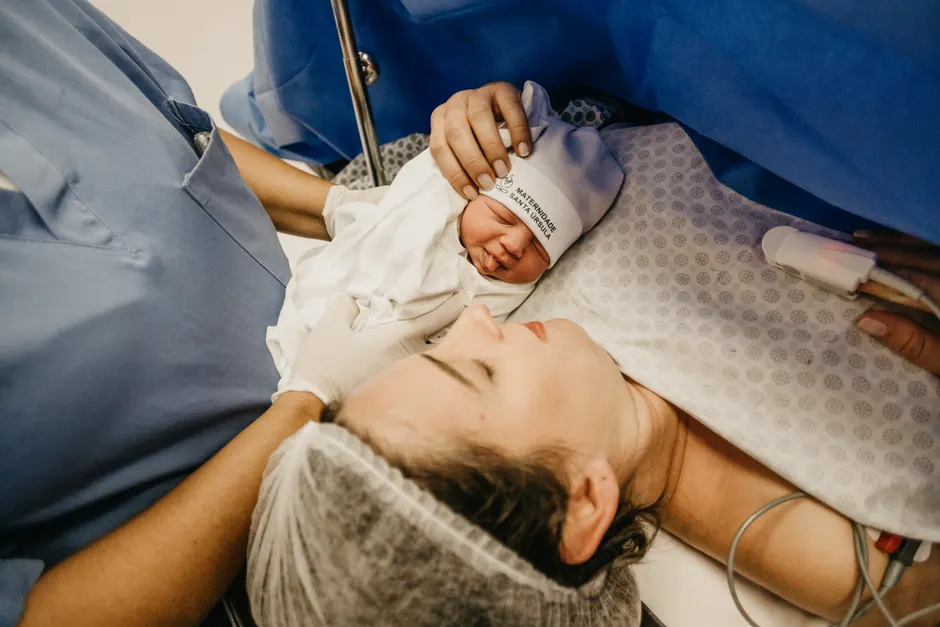
A 34-year-old Brisbane woman, Jenitar Na'amoana, gave birth to identical quadruplets on 14 July 2026 at the Royal Brisbane and Women's Hospital. Doctors believe this is the first time this has happened in Australia (The Guardian).
The four girls — Emily, Harriet, Catherine, and Alexa — were delivered by C-section at 28 weeks, which is about three months early. They came from a single egg that split into four babies instead of the usual one. Doctors call this a "one in 15 million" event (The Guardian; ABC News).
To understand how rare this is, think of it this way: having quadruplets at all is uncommon, about one in 700,000 pregnancies. But having identical quadruplets, where one egg splits four ways, is far rarer, about one in 15 million (ABC News).
The pregnancy was labelled "extremely high risk" (BBC). Dr. Alexa Bendall, a specialist doctor at the hospital, led the care team. She said this is believed to be the first case of naturally conceived identical quadruplets in Australia, with only a couple of other cases known worldwide (The Guardian). One of the babies, Alexa, was named after Dr. Bendall.
Na'amoana and her husband Jortham already had four children. She had not planned on having more and was still breastfeeding her youngest when she found out she was pregnant again (The Guardian; 1News; BBC). The family has set up a GoFundMe to help with medical bills, travel costs, daily living expenses, and buying a van big enough for the whole family, at least 10 or 12 seats (The Guardian).
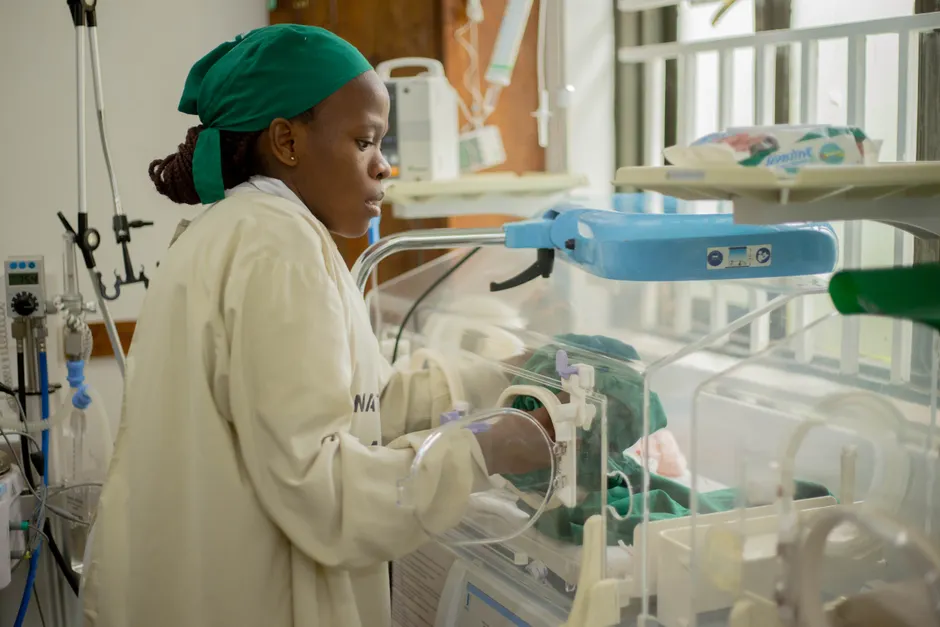
The babies will stay in hospital for a while before going home. Babies born at 28 weeks need extra help because their lungs and brains are still developing. They typically need support with breathing, staying warm, and getting enough nutrition, and often stay in hospital until around the date they were originally due to be born.
The story was reported on 20 July 2026 by several news outlets, including The Guardian, ABC News, the BBC, Brisbane Times, and News.com.au. The Australian Associated Press shared it across regional platforms. The Guardian used direct quotes from Dr. Bendall rather than relying on another news outlet.
The bigger picture here is that carrying four babies at once comes with serious risks, including early labour, babies not growing enough in the womb, and complications for the mother. In this case, those risks played out through the early delivery and the long hospital stay. What makes this birth especially unusual is that it happened naturally, without fertility treatments like IVF, which are behind many multiple births. If doctors confirm through medical records that this is the first Australian case of its kind, it would be one of only a few known cases in the world. That is likely to draw attention from medical specialists for some time to come.