A Brisbane Mum Had Four Identical Girls — and It May Be an Australian First
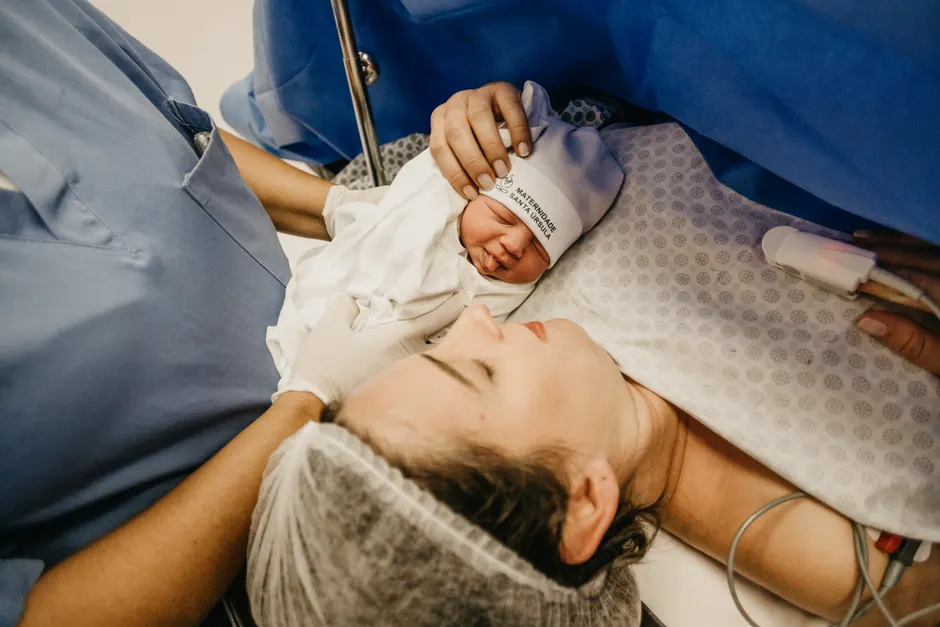
Four identical girls — Emily, Harriet, Alexa, and Catherine — were born by caesarean section at Royal Brisbane and Women's Hospital (RBWH) on July 14, 2026. Their mother, Jenitar Sau Na'amoana, aged 34, and her partner Jortham, welcomed the girls with help from a specialist medical team. It is believed to be the first known case of identical quadruplets born in Australia. Metro North Health
The four girls are identical because they all grew from the same single egg. After an egg is fertilised, it sometimes splits — and in extremely rare cases, it can split again and again, producing four babies with the same genes. All four girls shared one placenta, the organ that feeds babies during pregnancy. The pregnancy happened naturally, without any fertility treatment. Spontaneous identical quadruplets like these are estimated to happen in about one in every 15 million pregnancies. Metro North Health
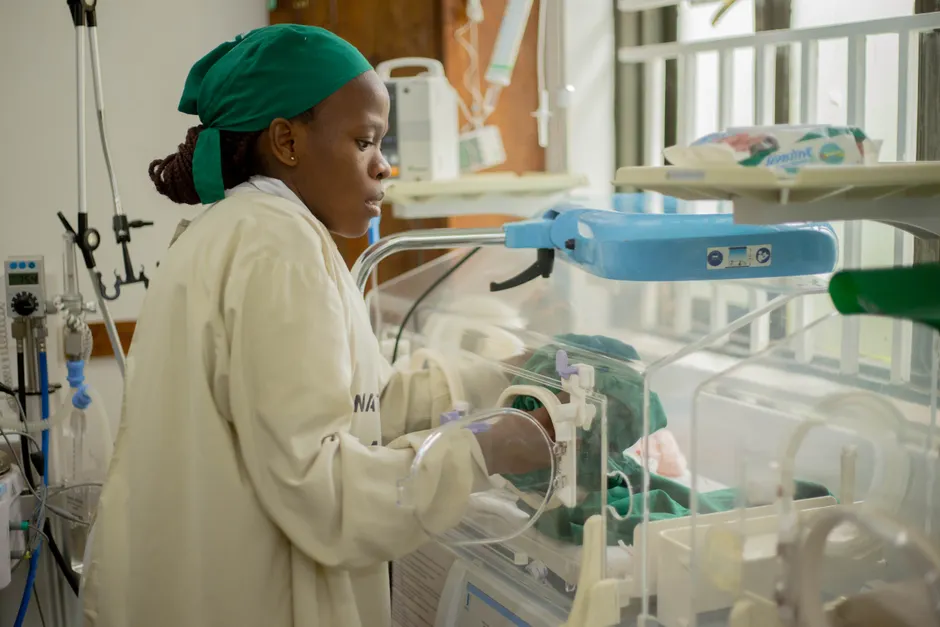
The babies were born at 28 weeks and 4 days — much earlier than the usual 40 weeks of a full pregnancy. Doctors often deliver quadruplets early on purpose, because the risks of continuing the pregnancy can become greater than the risks of the babies being born early. After birth, the four girls were placed in the hospital's Neonatal Intensive Care Unit (NICU), a special ward for newborns who need extra medical support. They were reported as doing extremely well. Metro North Health
Jenitar already had four children, ranging in age from ten years down to one year. With the quadruplets, she is now a mother of eight. Her pregnancy was overseen by Dr Alexa Bendall, a specialist at RBWH. The hospital began monitoring Jenitar at 10 weeks of pregnancy and admitted her as a patient at 25 weeks so she could stay in the hospital under close watch. This is standard for quadruplet pregnancies, which carry higher risks of early labour and other complications. Metro North Health
The Na'amoana quadruplets are the first known case of identical quadruplets born in Australia, according to reporting by the ABC and the Brisbane Times. ABC News; Brisbane Times
This case is extraordinarily rare. Identical twins happen when a fertilised egg splits in the first few days after conception. Why an egg might split more than once to produce identical triplets or quadruplets is not well understood. When four identical babies come from a single egg without fertility treatment, the odds are vanishingly small. Sharing one placenta among four babies also adds medical risk, including uneven blood flow between the babies, uneven growth, and unequal sharing of nutrients.
Babies born at 28 weeks typically need extended time in the NICU, including help with breathing, temperature control, and feeding. Modern neonatal care at major hospitals like RBWH has greatly improved survival and long-term health for babies born at this stage. The report that the quadruplets are "doing extremely well" is an early and encouraging sign, though their full health journey will unfold over the coming weeks and months.
Admitting Jenitar to the hospital at 25 weeks reflects the standard approach for quadruplet pregnancies, which carry significantly higher risks of early labour, problems with the cervix, and maternal complications such as high blood pressure and diabetes during pregnancy. Regular ultrasounds to check the babies' growth and fluid levels are the expected course of action.
The broader context here is one of institutional capability. RBWH, a major obstetric hospital within Metro North Health, managed this highly complex pregnancy from the first trimester through to a delivery that required a team of specialists in maternal-fetal medicine, newborn care, and obstetric anaesthesia. The successful outcome so far reflects both the rarity of the event and the medical infrastructure needed to handle it.
For the Na'amoana family, the arrival of four identical daughters more than doubles the household, bringing the total number of children to eight. The parents' names and the children's names were released by Metro North Health with the family's consent. Metro North Health