Netflix Now Offers Sign Language Interpretation for Dozens of Kids' Shows and Movies
Netflix is adding American Sign Language (ASL) interpretations to 73 of its family titles, covering hundreds of hours of content. The rollout includes both Netflix originals and licensed content, spanning TV series and films (Engadget).
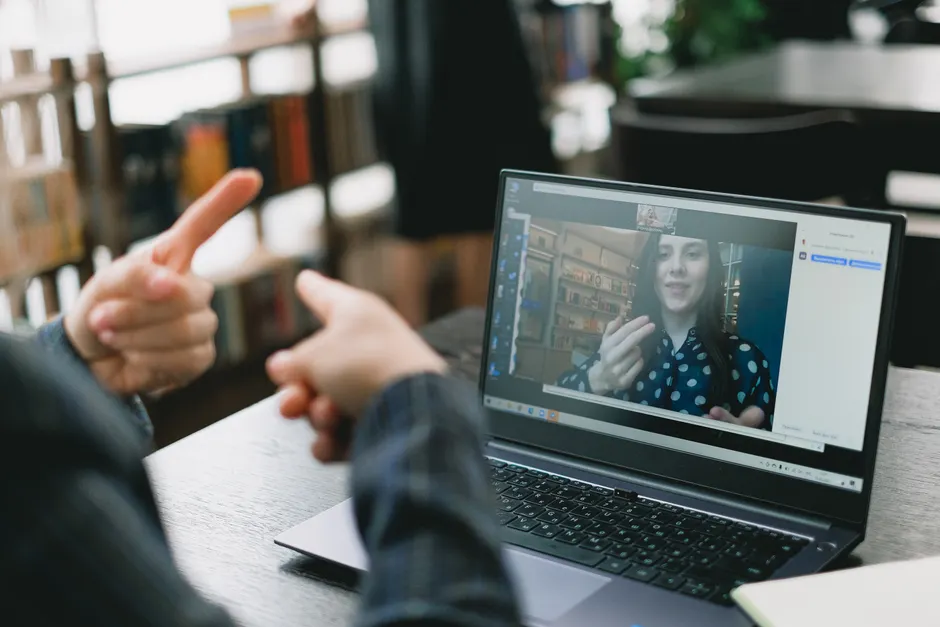
Netflix partnered with an organization called SignUp Media to produce the interpretations. SignUp Media delivers its interpretations through a Google Chrome browser extension. When a viewer watches a Netflix show, a separate window opens showing a person signing along with the program's audio, synchronized to what is happening on screen (Engadget).
Shows in the program include Stranger Things: Tales From '85, Pokémon Horizons, Octonauts, and The Magic School Bus Rides Again. Films include Guillermo del Toro's Pinocchio and Spider-Man: Homecoming. Additional titles such as CoComelon and Paris & Pups are also included, according to SignUp Media's project page (SignUp Media).
SignUp Media has produced ASL interpretations for mainstream entertainment before this deal. The organization previously created The Oscars Project, which provided ASL interpretations for every Best Picture nominee at the 2026 Academy Awards. That project established a delivery model SignUp Media is now applying to children's content on a larger scale (Engadget).
The broader context here is about how the interpretations are delivered, not just that they exist. Closed captions and subtitles have been standard on streaming platforms for years, but they serve viewers who can read English. ASL is a complete language with its own grammar and structure, not a written version of English. For deaf children especially, having access to media in ASL during early developmental years is about equitable language access, not convenience. The decision to focus on family and children's programming reflects that need.
The Chrome extension approach has a practical limitation worth understanding. Because the interpretation runs as a browser extension rather than being built into Netflix's own video player, it only works where Chrome runs. Viewers watching Netflix on a smart TV, a Roku device, or a phone app would not have access to the ASL interpretations unless they also had a separate device running Chrome.
This is the kind of gap that matters for real-world use. Families with young children are among the heaviest users of living-room TV streaming, which is exactly where a Chrome extension does not run on its own. Workarounds like sending a Chrome tab to the TV are possible but add steps that many viewers would not bother with. If Netflix eventually built ASL interpretation directly into its own apps, far more people could use it.
The partnership comes at a time of growing attention to streaming accessibility. The Federal Communications Commission has been expanding accessibility requirements to cover internet-delivered programming, and advocacy groups have pushed streaming providers to go beyond basic captioning. Netflix has faced class-action lawsuits over captioning quality in the past and has steadily expanded its accessibility features since then.
SignUp Media launched its children's television initiative on the International Day of Sign Languages, according to the organization's website, framing the effort within a broader global context of sign language awareness (SignUp Media).
For Netflix, the deal adds an accessibility feature to its family catalog without the company needing to build the technology itself. For SignUp Media, it is the largest distribution channel the organization has secured for its ASL content, moving from awards-season projects to ongoing work across a full catalog. And for deaf and hard-of-hearing children, it opens a door that closed captioning alone could not.


