Spain Won the World Cup. Here's Why People in Gaza Were Cheering.
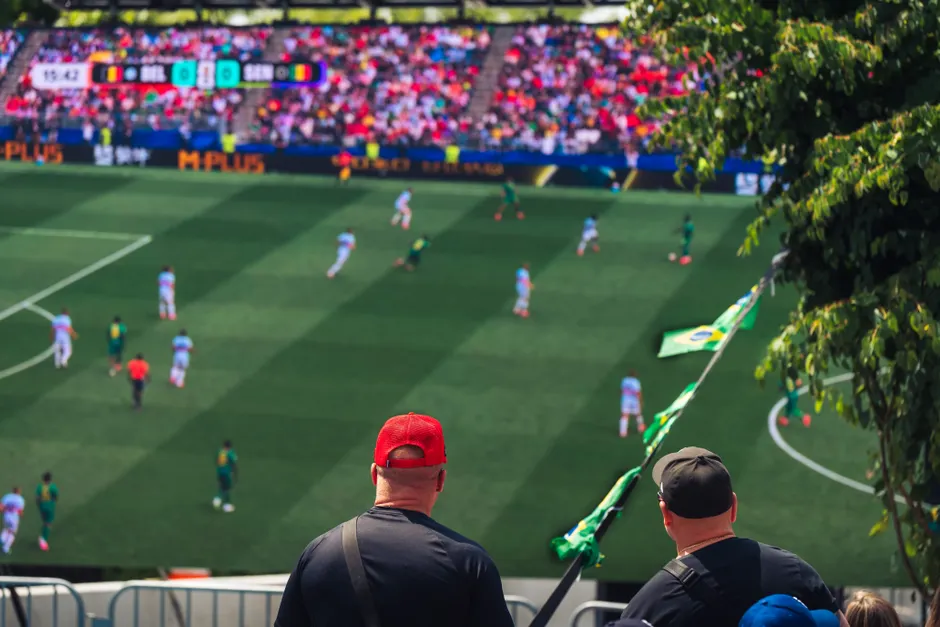
Spain defeated Argentina 1-0 in the 2026 FIFA World Cup final on July 19, 2026, at MetLife Stadium in New Jersey, winning its second World Cup title. Yahoo Sports The match went to extra time, where Ferran Torres scored the only goal. Argentina had to play with ten men after one of its players received a red card, which means the player was sent off for a serious rule violation. Nine.com.au
The final featured Lionel Messi playing for Argentina against a Spanish team centered on young star Lamine Yamal. The tournament began on June 11 and included 103 matches across 48 teams, hosted in cities from Toronto to Guadalajara. The New York Times The Athletic This was the first World Cup to use the 48-team format, which added an extra elimination round and about 40 percent more matches than the 32-team tournaments used from 1998 through 2022.
New York City Mayor Zohran Mamdani was in office as the final was played in the metropolitan area. The New York Times A controversial red card involving the U.S. team during the tournament also drew attention to refereeing decisions affecting the American host, though that incident was separate from the final itself.
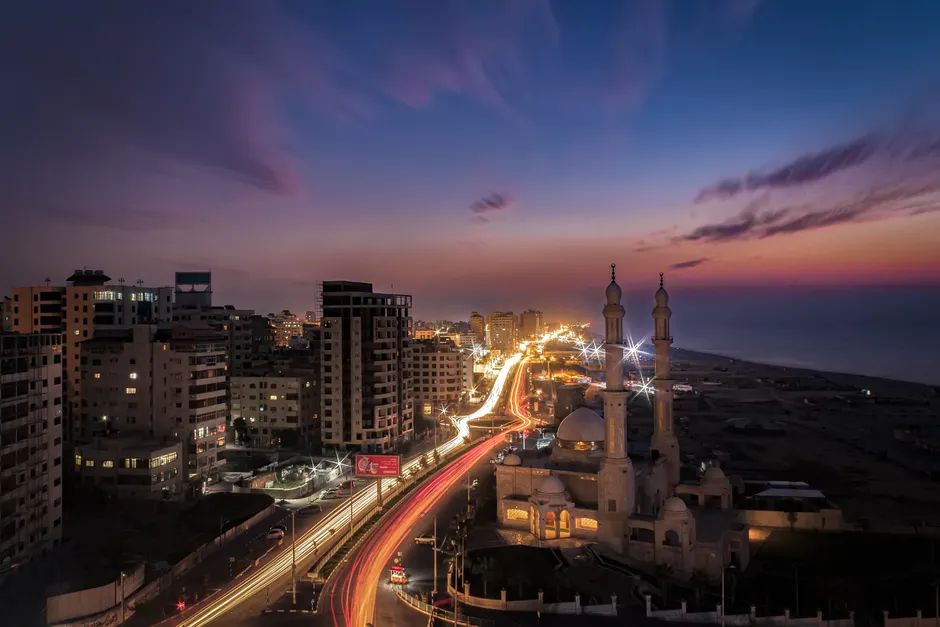
What made this final about more than sports was the reaction in Gaza. Palestinians gathered at watch parties to view the final on screens, and celebrated Spain's victory afterward. Reuters Al Jazeera Gaza residents said they supported Spain over Argentina because of Spain's solidarity with Palestinians. Al Jazeera In Spain, crowds raised Palestinian flags during victory celebrations, connecting the win to a political cause that the Spanish government had formally supported.
The reason for that solidarity is recent and specific. On May 28, 2024, the Spanish government officially recognized the State of Palestine, acting together with Ireland and Norway. BBC AP Weeks earlier, on May 10, 2024, Spain had sponsored and voted in favor of Palestine becoming a full member of the United Nations, alongside 142 other countries. La Moncloa These decisions drew a sharp diplomatic response from Israel at the time and shifted Spain's position within the European debate on Palestinian statehood.
The broader context here is how sport can become a way for people to express political feelings when normal diplomatic channels are strained or closed. Gaza's celebrations were not just everyday football fandom. They were directly tied to Spain's recognition policy. For residents living under the conditions described in the reporting, supporting Spain was a way to acknowledge a government that had taken a real diplomatic step on their behalf. The Palestinian flags in Spanish streets worked the other way too, connecting a domestic celebration to an international cause.
Argentina, the losing team, has its own deep political and cultural significance, and Messi's presence added what many saw as a career-capping moment to the match. But the reporting from Gaza does not show counter-celebrations or tension tied to Argentina's political stance. The emotional current ran toward Spain.
Spain's path to the title included a 2-0 victory over France on July 10, part of a knockout-stage run that reinforced the impression of a team playing its best at the right moment. ESPN Torres, whose extra-time goal decided the final, delivered the tournament's defining moment in a match that neither team could break open across 90 minutes.
What this means for the diplomatic side is that the 2026 World Cup final became, without anyone planning it, a kind of public vote on which country people felt aligned with. Spain's recognition of Palestine in May 2024 was a government-level decision with legal and diplomatic consequences. The celebrations in Gaza two years later were a grassroots echo of that decision, expressed through sport rather than politics. When a government takes a contested diplomatic position, the public response is rarely this visible or this immediate. The tournament's North American staging, hosted across three countries, placed the event in a media environment that amplified every political signal attached to it.
Whether this connection between sport and diplomacy lasts beyond the tournament is a separate question. What the reporting shows is that on July 19, 2026, a football final in New Jersey and a watch party in Gaza were linked by a diplomatic decision made in Madrid fourteen months earlier. That chain of events is unusual, and worth noting for anyone tracking how a country's foreign policy can echo through culture in ways that formal diplomacy rarely captures.