Trump Hits Canada With 50% Tariffs: Here's What That Means
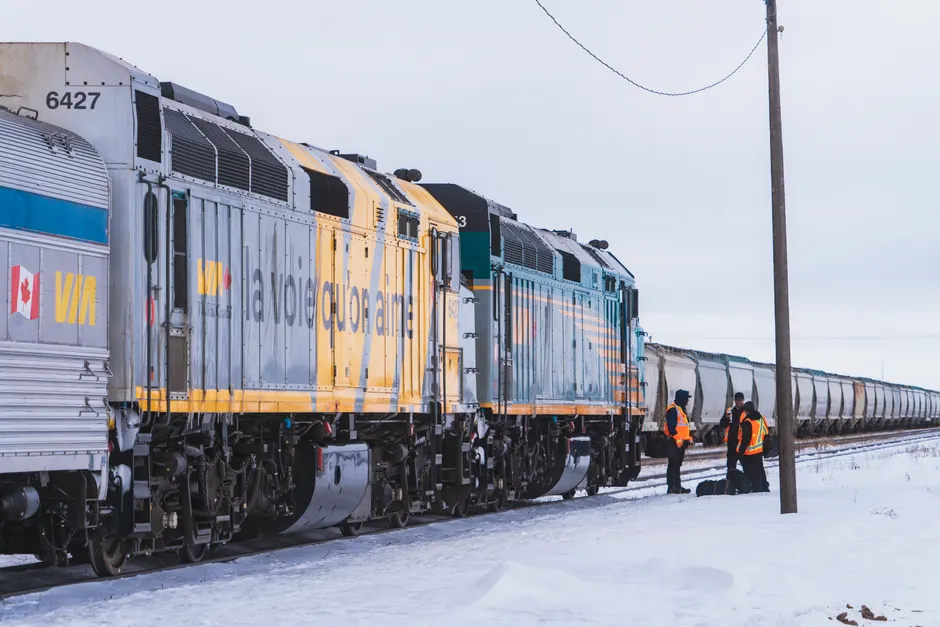
On July 20, 2026, President Donald Trump signed an order putting a 50% tariff — a tax on goods coming into the country — on many products imported from Canada. The tax starts at 12:01 a.m. Eastern Time on August 19, 2026. It covers everyday items like wine and hockey sticks, as well as industrial materials like commercial cement. Some products are spared: energy, potash (a fertilizer ingredient), critical minerals, and fish will not be taxed (BBC News).
The White House published three separate orders the same day, each targeting a different part of the Canadian economy. The main one is about cars and is formally called "Imposing Additional Duties to Offset Canadian Discrimination Against the Commerce of the United States with Respect to Motor Vehicles" (White House). The other two cover alcohol and dairy, using similar language about Canadian "discrimination" against US products (White House Presidential Actions).
Trump said the tariffs were payback for what he called "unequal treatment" of American cars, dairy, and alcohol in Canada. The White House also said the tariffs are needed to protect American businesses (BBC News).
The July 20 actions didn't stop there. The White House also published an order about securing defense supply chains and another one about aluminum imports, both on the same date (White House Presidential Actions). The aluminum order builds on an earlier move: in June 2025, Trump raised tariffs on steel and aluminum from 25% to 50%, starting June 4, 2025 (White House Fact Sheet, June 2025).
This is part of a longer pattern. In February 2025, a White House official said tariffs on Canada could stack up to 50% if all planned measures went through (Reuters, February 2025). In March 2025, Trump threatened to double Canadian steel and aluminum tariffs to 50%, which led Ontario Premier Doug Ford to drop a planned electricity surcharge and agree to meet with Commerce Secretary Howard Lutnick in Washington (Reuters, March 2025). In July 2025, Trump put a 35% tariff on Canadian imports and a 50% tariff on copper (Reuters, July 2025). On January 30, 2026, Trump threatened to block certification of the Bombardier Global Express aircraft and put a 50% tariff on all Canadian aircraft sold to the US (Reuters, January 2026; AP News, January 2026).
The way these tariffs are designed tells its own story. The exemptions for energy, potash, critical minerals, and fish match up with a separate order about defense supply chains, suggesting the administration chose to protect sectors it sees as essential to national security and industrial readiness. Canada is a major supplier of potash and crude oil to the US, so leaving those out suggests the White House recognizes that the US depends on Canada for those products, even while applying tariffs elsewhere.
The legal reasoning behind these orders is also worth noting. Earlier steel and aluminum tariffs used a national-security law called Section 232. These new tariffs take a different approach: they argue that Canada treats US goods unfairly and that the tariffs are a fair response. This could lead to challenges under trade agreements, but it fits the administration's view that Canada's dairy system and alcohol rules discriminate against American products.
There is a thirty-day gap between when Trump signed the order and when it takes effect on August 19. That gives importers, customs brokers, and supply-chain managers a short but real window to prepare. For industries that rely heavily on Canadian parts and materials — especially cars and construction — a 50% tax is high enough to force companies to look for other suppliers quickly. The exemptions for critical minerals mean the US keeps access to materials needed for defense and semiconductor manufacturing, even as tariffs rise around them.


