Wildfire Smoke From the US Blew Into Canada — and Now It's Part of a Trade Fight

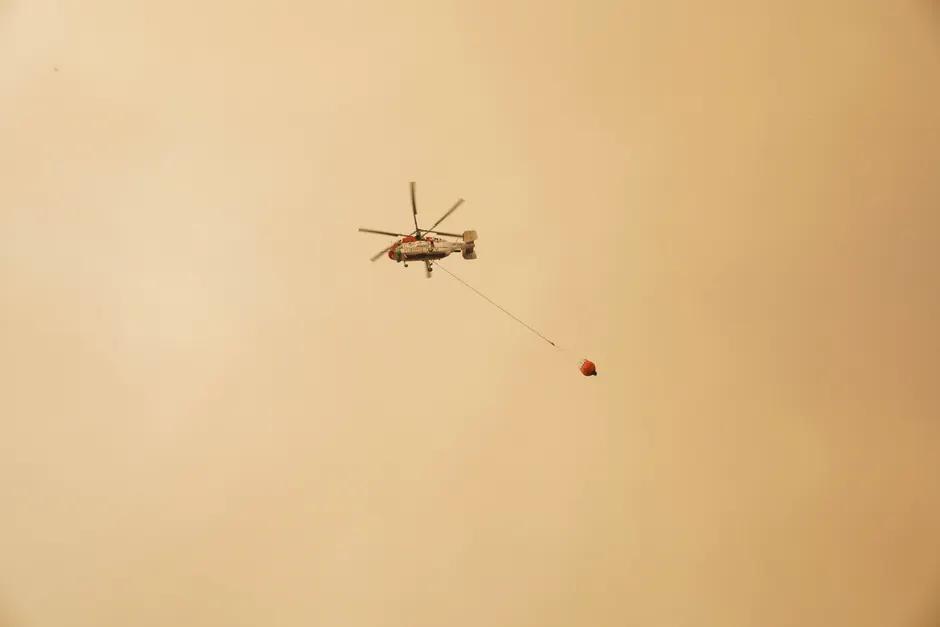
Smoke from wildfires in Washington and Oregon blew into British Columbia over the weekend of July 18–19, 2026, causing air quality warnings in at least two areas of the province and adding a new twist to an already strained relationship between the United States and Canada.
The British Columbia wildfire service issued an air quality alert on Saturday, July 18, saying: "Much of this smoke is originating from fires south of the Canada-US border in Washington and Oregon." According to the Northwest Interagency Coordination Center, twenty-two large fires were burning across those two states at the time. As of July 20, air quality warnings were still in place for the Kootenay Lake and Cranbrook regions, both along BC's southeast border with the United States The Guardian.
The BC government's air quality monitoring showed the situation changing over several days. A warning on July 17 said smoke in the Okanagan Valley was expected to get worse through the day and overnight. By July 18, the service said smoke would thin out in the southeast but would stay trapped in valleys and linger near active fires. A broader warning on July 19 said more regions of BC were being affected or likely to be affected over the next 24–48 hours. Environment and Climate Change Canada also issued an air quality warning for Fort St. John, BC, on July 19, pointing to poor air quality and reduced visibility from smoke.
The smoke event happened at a politically sensitive moment. On Friday, July 17, Donald Trump posted on social media that the United States had been "invaded" by dirty air and said the cost of this pollution should be added to the tariffs Canada is currently paying. Tariffs are taxes a government places on goods coming from another country, and Canada has been paying them under an ongoing trade dispute with the US. Trump's post got the direction of the smoke wrong. The pollution was moving north from US fires into Canada, not from Canada into the US.
The next day, July 19, Canadian Prime Minister Mark Carney and Trump sat next to each other at the World Cup final. The setting put the two leaders together even though the tariff dispute and the wildfire smoke issue were still unresolved.
Canada is also dealing with its own large wildfires. As of July 20, there were 843 active wildfires burning across the country. Of those, 181 were classified as "out of control," meaning they were spreading and firefighters could not stop them. Canada's Minister of Emergency Preparedness, Eleanor Olszewski, said Canada had spent C$12 billion (£6.36 billion) on fire prevention and forest sustainability over the previous five years.
The broader context here is one of growing tension between the two countries on both environmental and economic fronts. Wildfire smoke does not stop at borders. When tiny particles in the air from US fires drift into Canada, it means that what happens in one country can directly affect people's health in another. Trump's idea to add pollution costs to the tariffs Canada already pays suggests that cross-border pollution could become a regular tool in trade talks, not just an environmental problem.
For Canadian officials, the challenge is twofold. Fighting wildfires at home already stretches provincial and federal resources, with 181 out-of-control fires demanding equipment and personnel. On top of that, smoke from US fires is making the air worse in BC communities, from the Kootenays to the Okanagan Valley to Fort St. John in the northeast. But Canada has no control over the fires in Washington and Oregon that are causing the problem. Olszewski's mention of C$12 billion in prevention spending over five years shows Canada is investing in its own forests, but that money does not address the smoke coming from across the border.
The valley-trapping effect described in the BC wildfire service's July 18 warning matters because of how valleys work. Smoke that sinks into valleys tends to stay there, like water pooling in a bowl, making air quality worse for longer periods and making it harder to time evacuation and health warnings for communities in those areas. The July 19 warning's 24–48 hour window for potential impacts suggests that provincial authorities saw the event as ongoing, not ending.
Whether the tariff idea goes beyond a social media post is still unclear. The World Cup final put Carney and Trump together in a very public setting the day after the BC warnings expanded, but no joint statement on the smoke or the tariff proposal has been reported. With active fire seasons on both sides of the border, ongoing tariff disputes, and the unpredictable politics of who is responsible for cross-border pollution, the situation creates an environment where weather events can quickly turn into trade disputes.