A $6.2 Billion Gas Project Was Reported — But the Paper Trail Doesn't Back It Up Yet
On May 8, 2026, ADNOC (the national oil company of the United Arab Emirates) published a press release about a visit from Austrian Chancellor Christian Stocker to its headquarters. Dr. Sultan Ahmed Al Jaber, who runs ADNOC and also chairs the renewable energy company Masdar and the investment firm XRG, hosted the visit (ADNOC).
The visit came up in news coverage because The Wall Street Journal had reported that ADNOC and partners would go ahead with a $6.2 billion project to develop natural gas at the Umm Shaif field, with TotalEnergies and CNPC named as partner companies. The WSJ story, from the outlet's commodities news feed, is where the $6.2 billion figure and the partner names first appeared.
But here's the catch: the companies supposedly involved have not confirmed key parts of that report in their own official filings.
What Eni's Filings Show
Eni, an Italian energy company, holds a 10% ownership stake in the Umm Shaif and Nasr fields. That's been documented in its annual reports going back to at least 2022. The company's 2023 filing listed the Umm Shaif reservoir as holding roughly 0.1 billion barrels of oil equivalent — a way of measuring both oil and gas together in a single number (Eni 2023 Form 20-F).
However, Eni's most recent annual filing — the 2025 Form 20-F, published March 23, 2026 — does not confirm a final investment decision (the formal go-ahead to spend money on the project), the $6.2 billion figure, or TotalEnergies and CNPC as the project partners (Eni 2025 Form 20-F).
Owning a Piece of the Field vs. Being a Project Partner
This distinction matters. Eni's 10% stake is like owning a share of an existing apartment building — you get a portion of the rent. A new development project is more like building a new wing on that building: it can have different investors, different funding, and different decision-makers. So the WSJ naming TotalEnergies and CNPC as project partners, instead of Eni, could make sense. But Eni's filings don't confirm it.
What's Actually Verified
Here is what the confirmed facts show. ADNOC publicly acknowledged Chancellor Stocker's visit on May 8, 2026. Dr. Al Jaber hosted it. Eni holds a 10% interest in the Umm Shaif and Nasr fields and has reported about 0.1 billion barrels of oil equivalent in reserves there. Eni's most recent annual filing does not confirm the go-ahead decision, the dollar figure, or the partner names from the WSJ report.
The broader context here is that this kind of gap — a news report saying one thing while company filings say nothing — is common in the energy industry. ADNOC is not publicly traded, so it doesn't have to file detailed disclosures with regulators like the U.S. Securities and Exchange Commission. Eni is publicly traded and does file with the SEC, but companies and news outlets can have different standards for what counts as a story worth telling.
The lack of a confirming filing from Eni doesn't mean the WSJ report is wrong. It means the details — how much money, who's involved, and on what terms — haven't been independently checked through the companies' own official channels yet.
Why a Gas Cap Project Is Complicated
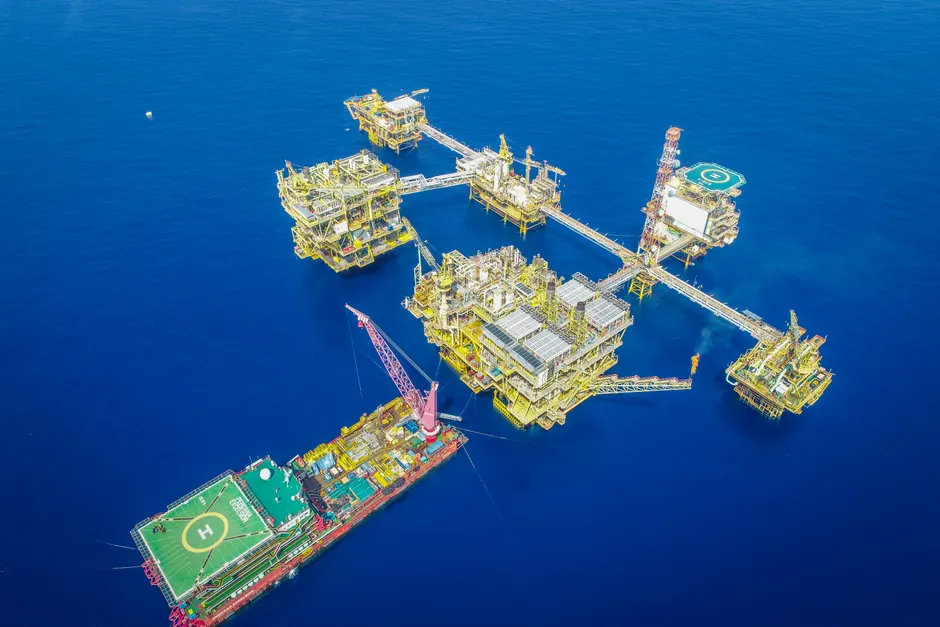
If the project goes ahead as reported, it would tap natural gas that sits in a layer above the oil in a mature offshore field. Picture a bottle of soda: the gas is trapped at the top, and the liquid is below. You have to manage both carefully — pulling out too much gas too fast can reduce the pressure that helps push the oil up. A $6.2 billion price tag would make this one of the larger gas projects in the region, though that figure itself is not confirmed.
The ADNOC press release about Chancellor Stocker's visit, based on the verified facts, did not contain any details about the gas project. It confirms that a high-level diplomatic and business meeting took place. The project details rest on the WSJ report and remain unconfirmed by the partner companies' own filings.


