Google Adds 15 African Languages to Voice and Text Tools, Invests Millions in AI Education
Google Adds 15 African Languages to Voice and Text Tools, Invests Millions in AI Education
Google has added 15 African languages to its voice search, keyboard, and translation tools. At the same time, Google.org—the company's charitable arm—committed $5.8 million to help people in Sub-Saharan Africa learn artificial intelligence and tech skills, according to company communications.
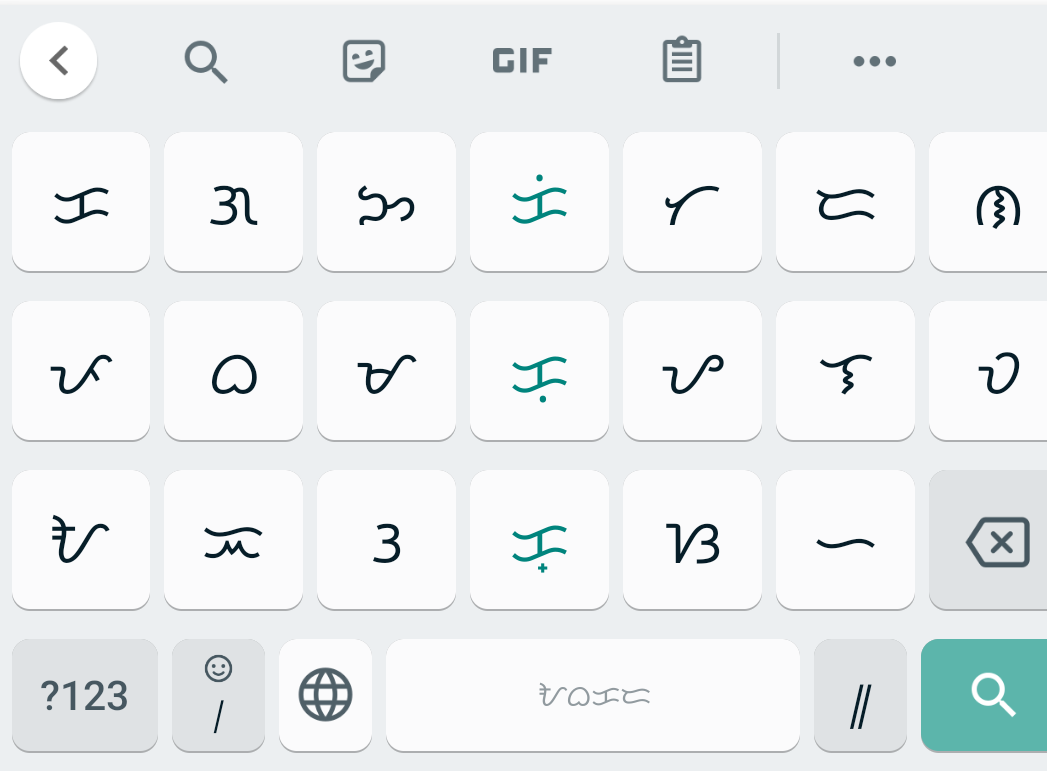
Think of it this way: until now, if you spoke Amharic or Yoruba or Kinyarwanda, Google's voice search and keyboard worked less reliably for you than they did for English speakers. The new languages help balance that out. Google's keyboard app, called Gboard, now handles more than 500 different languages and writing systems worldwide.
How This Technology Works
Adding a new language to Google's tools is not simple. Google creates a separate artificial intelligence system for each language—essentially a digital model trained to recognize and predict what someone is about to type or say.
African languages present particular challenges. Many are "tonal"—meaning the pitch of a word changes its meaning, like how "ma" might mean different things depending on whether you say it high or low. Others have complex grammar rules that require special handling. These differences mean Google cannot simply copy the system it uses for English.
The new languages now work across three Google tools: Voice Search (for searching by speaking), Gboard's talk-to-type (which converts speech to text as you type), and Google Translate's dictation mode (for translating spoken words in real time).
Who This Helps
If you build apps or run a business that serves customers in Africa, this matters. You no longer need to hire specialists to build your own voice recognition system. You can now use Google's tools directly, which saves time and money.
For everyday users, this means better accuracy when you search by voice, type using your phone's microphone, or translate conversations in real time. Over the years, Google has expanded its tools to work with many different ways of typing—including Morse code for people who need alternative input methods. The same approach now extends to serving languages that have historically gotten less attention from tech companies.
Google has also made updates to tablet-sized devices, since tablets serve as primary computers for many people in Africa. Improved file-sharing and note-taking tools on larger screens make these devices more useful for work.
The Education Investment
The $5.8 million education commitment runs alongside the language rollout. The money funds training programs so that more people in Sub-Saharan Africa can learn to build and maintain AI systems.
Why pair language tools with education funding? This follows a pattern we have seen before. When mobile phones first arrived in Africa, simply building the infrastructure was not enough. You also needed local people trained to keep systems running, fix problems, and understand what customers actually needed. This combination of technology and training worked. The approach here—better language tools plus education money—makes sense for the same reason.
The broader context here is that AI language systems need constant care after they launch. As thousands of people use a system, edge cases emerge—unusual phrases, accents, or new words that the AI has never seen before. Local experts who understand the language and culture can spot and fix these problems much better than distant teams. That is why investing in local talent matters.
Why Google Is Doing This Now
Language technology has improved dramatically. Modern AI systems are much better at learning languages that look very different from English. They can handle the complex grammar of African languages in ways earlier tools could not.
There is also better business timing. More people in Africa own smartphones. Internet cables under the ocean have brought faster, more reliable connections. Voice tools and translation only work well if the internet connection is good enough. As infrastructure improved, the payoff from adding these languages increased.
When I look at decisions like this—investing both in technology and people, at the same time—it usually signals a company believes in staying long-term, not just testing an idea. The work required to support 15 new languages across multiple tools is substantial and ongoing. Google appears to expect these languages will be used steadily, making the investment worth it.
This also builds advantage. Once people and businesses depend on Google's voice search, keyboard, and translation for their language, switching to a competitor becomes harder. They are building what tech companies call "switching costs"—reasons to stick with what you have.
The bigger picture is that companies building products for African markets can now treat robust voice recognition and translation as foundational tools—the kind they can build upon, rather than having to invent from scratch. That opens room for smarter, more useful apps.


