Who Are the Houthis and Why Are They Blocking Ships in the Red Sea?

Yemen's Houthis warned shipping companies on July 20, 2026, that oil tankers could be attacked if they use Saudi Arabian ports on the Red Sea. The warning was meant to enforce a naval blockade — an attempt to block ships from passing through a stretch of water by threatening military action — that the group declared "effective immediately" that same day (The Guardian; Al Jazeera).
The Houthis are an armed group that controls northern Yemen, a country on the southern edge of the Arabian Peninsula. They have been involved in a long-running war against a military coalition led by Saudi Arabia.
The Houthi warning was sent by email to multiple shipping companies on Monday, July 20. The email told companies not to load or unload cargo at Saudi Arabian ports and said that any vessel doing so could be targeted "in any location" within Houthi reach (The Guardian).
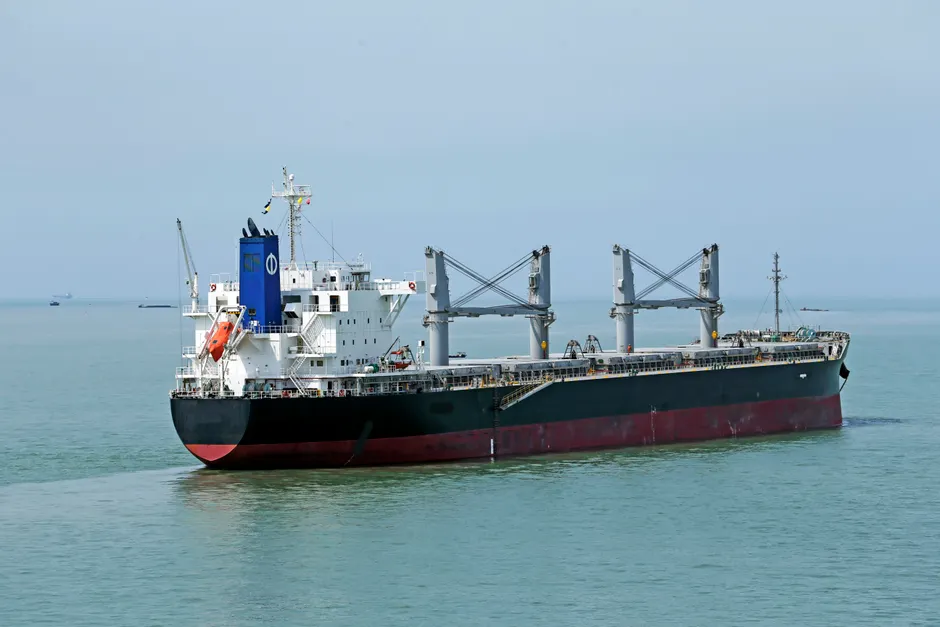
The threat had an immediate effect. Two oil tankers carrying Saudi crude oil headed for China and India turned around on Tuesday, July 21, to avoid the Houthi-controlled coast at the mouth of the Red Sea. The Houthis claimed that day that six ships in total had changed course (The Guardian).
After the warning, ships that use Saudi Arabian ports were advised to think twice about traveling through the Red Sea and to take extra safety steps (Reuters). The Saudi-led coalition issued its own warning in response to the Houthi blockade on July 20 (Reuters).
US President Donald Trump said on July 21 that the US would "take care of business" if the Houthis followed through on their threats (The Guardian).
The Houthis control territory along the Bab el-Mandeb strait, a narrow passage at the southern end of the Red Sea. Think of it as a toll booth on a highway: ships passing between the Indian Ocean and the Mediterranean must squeeze through this chokepoint. About 7% of all global maritime traffic passes through it (The Guardian).
The broader context here is that this blockade follows a relatively quiet period. As of July 2026, no new Houthi maritime attacks had been reported all year (Security Council Report). Before this blockade, the Houthis had been threatening to resume targeting ships linked to Israel. On June 8, they declared a ban on Israeli shipping in the Red Sea (Reuters). Average monthly Red Sea sailings had reached 1,034 in March 2026 (Reuters).
The shift from targeting only Israeli-linked ships to declaring a blockade against Saudi Arabia means more ships could be in danger. The direct emails to shipping companies, combined with the threat to strike "in any location," widen the danger zone beyond the Bab el-Mandeb strait itself. The fact that tankers turned around immediately suggests shipping companies are taking the threat seriously, even though no attacks had been reported earlier in the year. The responses from the Saudi-led coalition and the Trump administration suggest this could lead to military action if the Houthis try to enforce the blockade.
What to watch next is whether the Houtries actually try to stop or attack a ship, which would put the Saudi coalition's warning and the US pledge to the test. The movement of oil tankers headed for Asian markets through the Red Sea will be a key sign of how the shipping industry judges the danger in the coming days.