Why Two Key Shipping Routes Are Now Caught in the U.S.-Iran Conflict
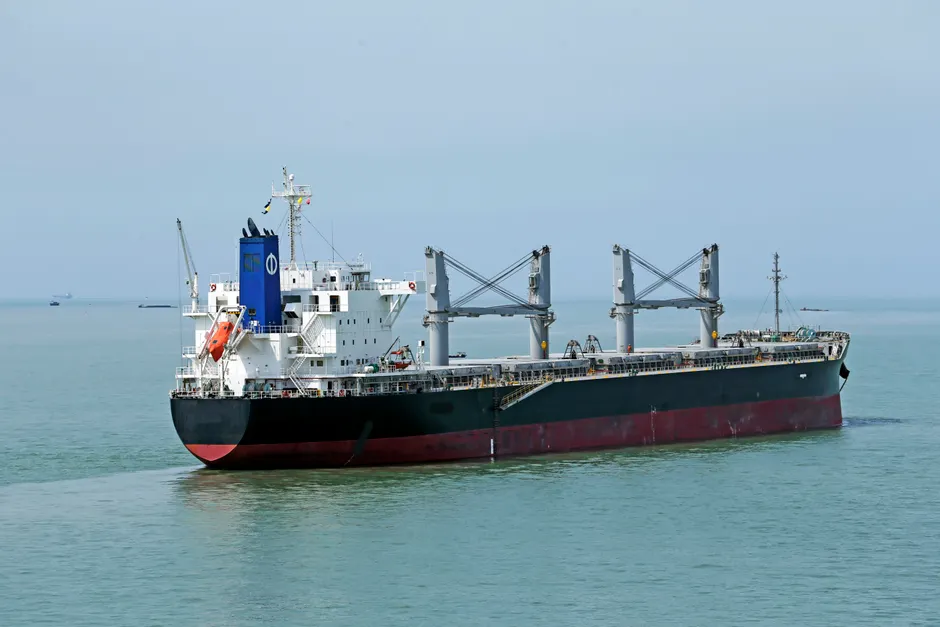
On July 20, 2026, a group called the Houthis, who control part of Yemen, announced they were blocking Saudi Arabian ships from passing through the Red Sea. This happened just days after the Houthis and Saudi Arabia had exchanged fire. The move opened a new front in the growing war between the United States and Iran. The next day, July 21, Iran said it had attacked ships in another important waterway — the Strait of Hormuz — after the U.S. had launched new strikes on Iranian territory.
The Houthis are backed by Iran. According to Reuters, Iran had told the Houthis earlier in July to close off the Red Sea if the United States attacked Iran's electricity system. This instruction was reported on July 16. Iran was using the threat of closing a key shipping route as leverage: if Washington damaged Iran's power supply, Iran's ally in Yemen would shut down one of the world's most important shipping lanes.
That key shipping lane is called the Bab el-Mandeb strait. It is a narrow passage of water between Africa and the Arabian Peninsula that ships must pass through to go between Europe and Asia. When a narrow route like this gets blocked, it can disrupt trade around the world.
It appears that Iran's condition was met. By July 20, the Houthis formally declared the blockade against Saudi Arabia. The Guardian reported on July 21 that this followed an exchange of fire between Houthi forces and Saudi Arabia the week before. Reuters had earlier described the Houthi blockade as a potential new front in the U.S.-Iran war, and that assessment proved accurate within days.
The economic impact could be severe. A full closure of the Bab el-Mandeb strait could cut global oil supply by 7%, according to Reuters. The blockade targeting only Saudi Arabia could affect more than 3% of the global oil market, per The New York Times. The difference in those numbers comes down to scope: a total closure would stop all ships, while a targeted blockade would only affect Saudi shipping.
Iran's claimed attacks on ships in the Strait of Hormuz on July 21 make the situation worse. The Strait of Hormuz, located between Iran and Oman, normally handles about one-fifth of all the oil the world uses every day. If both the Red Sea and the Strait of Hormuz are disrupted at the same time, two of the three most important oil shipping routes in the world would be caught in active conflict simultaneously.
The order in which these events happened helps explain how the conflict escalated. Iran's July 16 instruction to the Houthis was a conditional threat — a warning meant to discourage the U.S. from attacking Iran's infrastructure. The U.S. strikes that followed, and Iran's Hormuz claims on July 21, suggest that warning did not work. The Houthi blockade on July 20 falls right between those two events, pointing to a fast-moving chain of events once the line was crossed.
Saudi Arabia is in a particularly difficult position. The kingdom was involved in the exchange of fire that came before the blockade, and it is the named target of the Houthi action. Saudi Arabia now faces a direct threat to its Red Sea shipping while the larger U.S.-Iran conflict intensifies nearby in the Gulf. The Houthis have shown they can operate in the Red Sea repeatedly since 2024, and this blockade makes official what had been a series of scattered attacks on ships.
The broader context here is what this could mean for energy prices and the direction of the conflict. Oil market analysts have generally treated the possibility of both the Bab el-Mandeb and Hormuz being disrupted at the same time as unlikely. But the 3% to 7% of global oil supply at stake is enough to cause significant price spikes. For U.S. policymakers, the challenge now includes not just the military fight with Iran but also the economic fallout from two Iran-linked fronts — Yemen and the Gulf — being activated at once. The speed of events, from a conditional warning on July 16 to a blockade on July 20 to attacks claimed on July 21, leaves very little time for diplomacy before markets start reacting.


