Afghanistan Floods: What Happened and Why Help Is So Hard to Reach

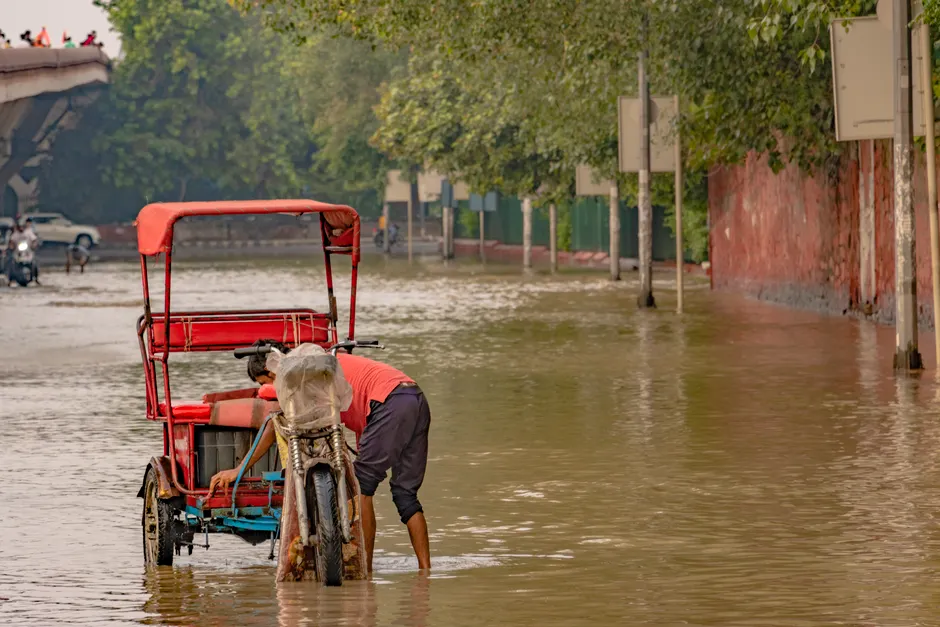
Flash floods hit Afghanistan's eastern Nuristan province on Monday, 20 July 2026, killing at least 23 people and leaving more than 100 missing, according to Al Jazeera. The floods swallowed up the provincial capital, Parun. Footage showed buildings turned to mud and rubble. An unknown number of structures collapsed across the province.
The Taliban-run government first reported at least 20 deaths on 20 July, with the toll expected to rise as 100 people remained unaccounted for, Reuters reported. By 21 July, Al Jazeera and the Associated Press had raised the confirmed death toll to 23. The Afghanistan National Disaster Management Authority, known as ANDMA, is the country's main agency for handling disasters. It served as the source for the casualty figures, the AP reported. Fifteen bodies had been pulled from the debris, and about 80 people were wounded. Pajhwok Afghan News, a local news outlet, confirmed the same numbers: 23 dead, 80 injured, and around 100 missing Pajhwok.
Nuristan is one of Afghanistan's most isolated and rugged provinces. The mountains are steep, and there are few good roads. That makes rescue work slow and difficult. The destruction in Parun suggests that even the capital of the province could not withstand the amount of water that came through. AFP photographs shared by Al Jazeera showed how badly buildings were damaged.
Afghanistan's weather department warned on the evening of 20 July that more extreme weather was expected across 10 of the country's 34 provinces. Pajhwok separately reported the same warning for rain and flash floods in those 10 provinces. With the ground already soaked and drainage systems weak, more rain could cause additional damage.
TOLOnews reported that in a 48-hour period roughly matching the Nuristan disaster, 28 people died and 10 were injured from floods across 17 Afghan provinces. That national tally includes Nuristan but goes well beyond it, showing how widespread the disruption has been.
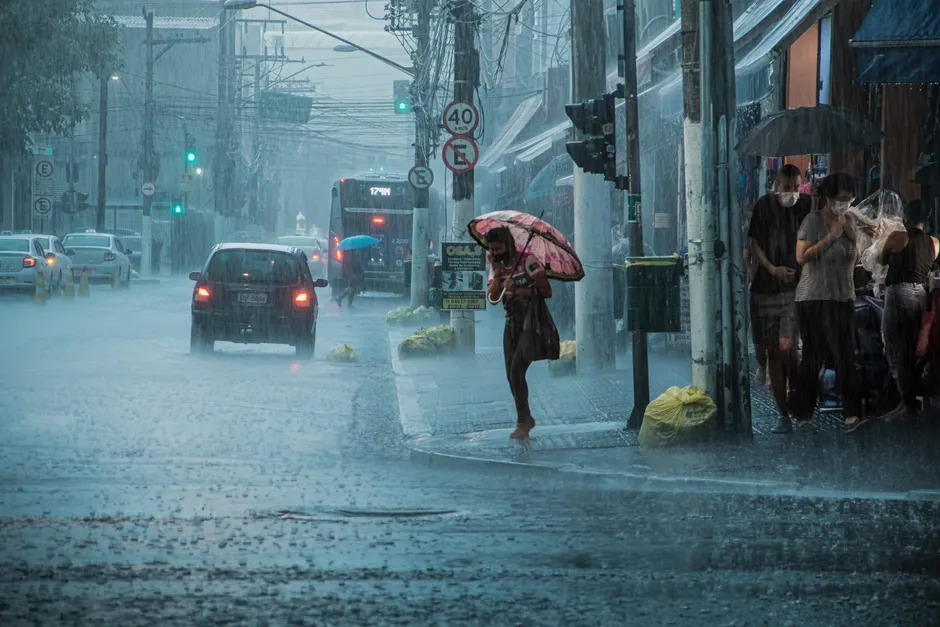
The 2026 monsoon season has caused heavy losses outside Afghanistan, too. Al Jazeera reported that floods and landslides killed at least 25 people in northern and northeastern India, and 27 in Nepal since mid-June. Afghanistan's floods are part of a wider pattern of intense monsoon rainfall across South Asia.
The Associated Press framed its reporting around extreme weather and climate change. Afghanistan has suffered repeated devastating floods in recent years. The country's ability to manage disasters is limited, especially because the Taliban government is not internationally recognized and has trouble accessing formal aid channels.
The broader context here is that several things make the Nuristan floods especially hard to handle. ANDMA's resources are spread thin across 34 provinces, many of them remote. The Taliban government's lack of international recognition means most countries do not treat it as a legitimate government, which makes it harder to negotiate aid or work with international disaster-response organizations. On top of that, Nuristan's terrain is so difficult that reaching people there is slow even in good conditions. With more than 100 people still missing and more rain on the way, the situation may get worse before it gets better. The gap between the number of confirmed dead and the number of missing shows how much is still unknown, and how much could change in the coming days.