Your phone will soon blare an emergency siren — here's what you need to know
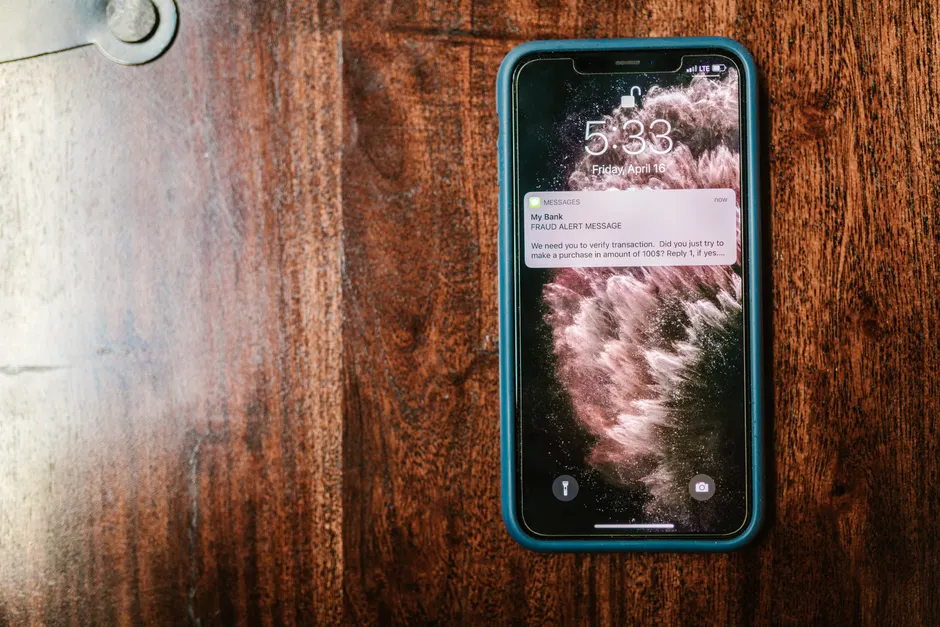
On Monday 27 July 2026 at 2pm AEST, the government will send a test emergency alert to phones across Australia. It's called AusAlert, and it's the new warning system built after the royal commission into the Black Summer bushfires. Most compatible phones will play a 10-second siren, vibrate, and show a test message on screen. The siren will sound even if your phone is on silent or do-not-disturb (The Guardian). Phones that are switched off or in aeroplane mode won't receive it.
The test follows trial runs in nine locations during June 2026, which started at 10:30am on Wednesday 10 June and finished later that month (NEMA). ABC News first reported the national test was coming in February 2026. AusAlert is set to be fully up and running from October 2026.
Which phones will get it
The test will reach iPhones 11 and newer running iOS 26.4 or later, Apple Watch SE2, SE3, Series 6 and newer running watchOS 26.4 or later, and Android devices running Android 12 or later. Apple iPads won't get the alert (The Guardian). The AusAlert website describes the target devices more broadly as "most phones, and some smart watches and tablets" (ausalert.gov.au).
Queensland and Western Australia have raised concerns that AusAlert won't reach landline phones, older devices, or phones connected to satellite signals. The agency running the system — NEMA — is working on adding voice alerts for landlines, but that's not ready yet. Federal emergency management minister Kristy McBain has confirmed the existing Emergency Alert system will keep running alongside AusAlert through the 2026 high-risk weather season, and states won't be forced to adopt AusAlert. They can keep using the current system.
The hidden-phone risk
The fact that the siren overrides silent mode is vital for real emergencies. But it creates a serious problem for domestic violence survivors. Some people in abusive relationships keep a secret phone — a "safe phone" — hidden from the person harming them. If that phone suddenly blares a siren and vibrates, it could be discovered. Domestic violence campaigners and NEMA have advised anyone with a hidden safe phone to turn it off for up to 24 hours after the test (The Guardian).
Karen Bentley, CEO of women's services network Wesnet, has been central to raising the alarm. The Women's Safety Commissioner, DV Connect, and the Council of Single Mothers and their Children have all issued safety warnings ahead of the test. Advocates have specifically warned that regional women experiencing domestic violence face the highest risk of their safe phones being discovered (ABC News). NEMA has posted a safety guide at ausalert.gov.au with instructions for those who need to keep devices hidden (ausalert.gov.au).
Pat Hetherington, NEMA's interim coordinator general, is overseeing the rollout. The agency's advice is simple: turn the phone off if you need to. The trade-off is that a phone switched off during the test won't receive a real emergency alert either, should one happen at the same time. It's a narrow risk, but a real one.
Two systems running at once
The broader context here is that running two warning systems at the same time is pragmatic but messy. Dual systems mean double the chances of something going wrong, double the public messaging, and the real possibility that different states use different platforms for live warnings. If Queensland uses the old Emergency Alert system and New South Wales uses AusAlert during a cross-border flood, for instance, people on either side of the Tweed get a different experience. McBain's assurance that states won't be forced onto AusAlert is diplomatically sensible and operationally messy.
The landline gap is the most concrete problem. AusAlert is built for mobile phones — it works a bit like a radio tower broadcasting to every compatible phone in range, rather than sending individual text messages. Households that rely on landlines, particularly older Australians and people in remote areas with poor mobile coverage, won't hear a siren. NEMA is working on voice alerts for landlines. Until that's ready, the old Emergency Alert system is covering that gap.
The safe-phone issue reveals a different kind of gap. Cell-broadcast systems are designed to be impossible to ignore — that's the whole point. The same feature that wakes you up during a bushfire evacuation also makes a hidden phone reveal itself. NEMA and advocacy groups have handled this reasonably well, getting warnings out well ahead of the test. But the tension is built in. Any future upgrade to AusAlert will need to account for the fact that not every phone that rings is one its owner wants the household to know about.
The test on Monday will tell NEMA whether the system works at national scale. The June trials covered nine locations and sent both a text message and triggered the 10-second alarm (ABC News). The national test goes further, hitting every compatible device in every state and territory at once. Whether the siren sounds as intended across all networks, whether the safety advice reaches enough victim-survivors in time, and whether states sign on before October — those are the questions this test will start to answer.


