AMD Just Committed $5 Billion to Anthropic for AI Chips

AMD will invest up to $5 billion in Anthropic under a partnership announced July 22, 2026. In return, AMD will provide up to 2 gigawatts of its Instinct MI450 series chips to power Anthropic's AI work (The Verge; AMD IR). The Wall Street Journal first reported the deal. The first portion is planned for the first half of 2027, using AMD's Helios system, which packages many chips into full computing racks.
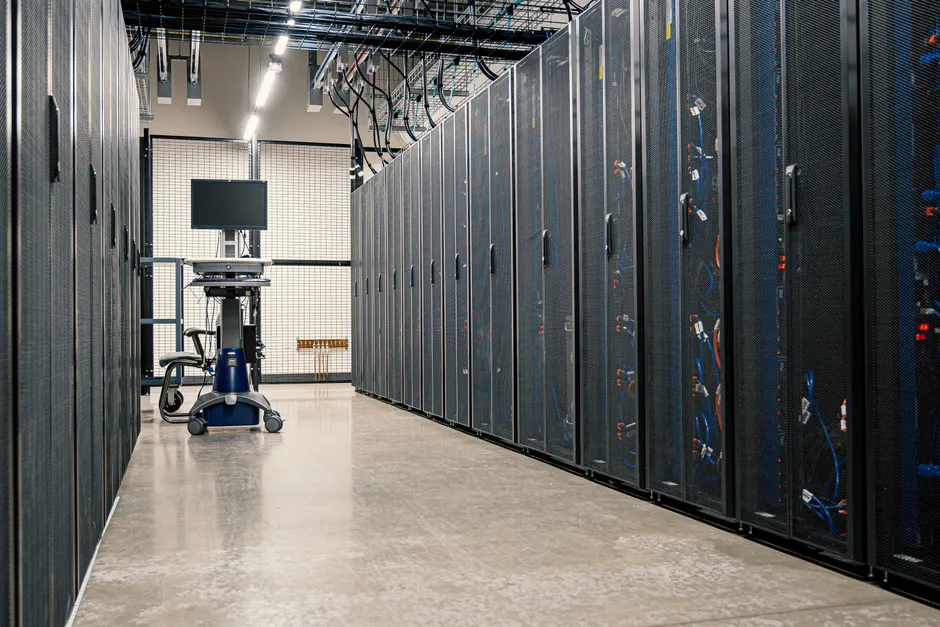
A gigawatt is a measure of power, roughly equal to what a large power plant produces. So 2 gigawatts of computing equipment is an enormous amount of hardware, filling entire data-center campuses rather than single rooms. For comparison, Anthropic separately agreed in April to use up to 1 gigawatt of Nvidia's latest chips (Reuters). The Information reported in May that Anthropic committed to spend $200 billion with Google Cloud over five years (Reuters).
The partnership goes beyond chips. AMD and Anthropic will collaborate over multiple years, and AMD will use Anthropic's Claude AI in its own software and engineering work. That means AMD is both selling hardware to Anthropic and buying AI software from Anthropic.
Tom Brown, Anthropic cofounder and chief compute officer, is the executive associated with the compute strategy behind the deal.
AMD's Third Big Deal
This is AMD's third major AI chip agreement in under a year. In October 2025, AMD signed a deal with OpenAI expected to bring in tens of billions of dollars annually, with OpenAI getting the option to buy a 10% stake in AMD (Reuters). In February 2026, AMD agreed to sell up to $60 billion of AI chips to Meta over five years, with Meta also getting the option to buy up to 10% of AMD (Reuters).
The pattern is clear: AMD has now secured the three largest AI companies as customers for its chip roadmap. OpenAI, Meta, and Anthropic each represent commitments worth tens of billions of dollars. The real question is whether AMD can actually manufacture and deliver that many chips, and build the full systems around them, fast enough to meet these deadlines. The first batch for Anthropic is due in less than a year.
Anthropic Spreads Its Bets
Anthropic is not relying on a single chip supplier. The company has committed to computing power from Google Cloud, Nvidia, and now AMD. Each type of chip works differently, so Anthropic's team faces the challenge of getting all of them to work together smoothly for training and running AI models. That is harder than it sounds, and it becomes a strategic problem, not just a technical headache.
The partnership also comes during a busy period for Anthropic. The company launched Claude Sonnet 5 and Claude Science, a tool for scientists, on June 30. Claude for Teachers launched July 14, alongside a $10 million commitment to Canadian AI research. Ben Bernanke was appointed to Anthropic's Long-Term Benefit Trust on July 9. Anthropic has also proposed an industry-wide framework for scoring jailbreak severity with Amazon, Microsoft, Google, and other Glasswing partners, and is soliciting public questions about AI with a stated commitment to transparency. On July 21, Anthropic announced a $20 million donation to Public First Action. Together, these efforts show a company rapidly expanding its computing power while also investing in safety, research, and governance.
What This Means for the Chip Market
The deals suggest the AI chip market is not settling on one supplier. Each major AI company is building a portfolio of chip sources instead of depending on a single provider. Whether that is because different chips perform better at different tasks, because companies want to avoid supply shortages, or because having multiple suppliers gives them bargaining power against Nvidia is not something the deal terms reveal.
What is clear is that AMD now has the customer commitments to justify the massive spending required to become a lasting alternative to Nvidia in AI chips. The MI450 generation, delivered through the Helios system, will be the test of whether AMD can deliver at that scale starting in early 2027.