A Huge Wildfire Forced 20,000 People to Leave France's Beach Coast

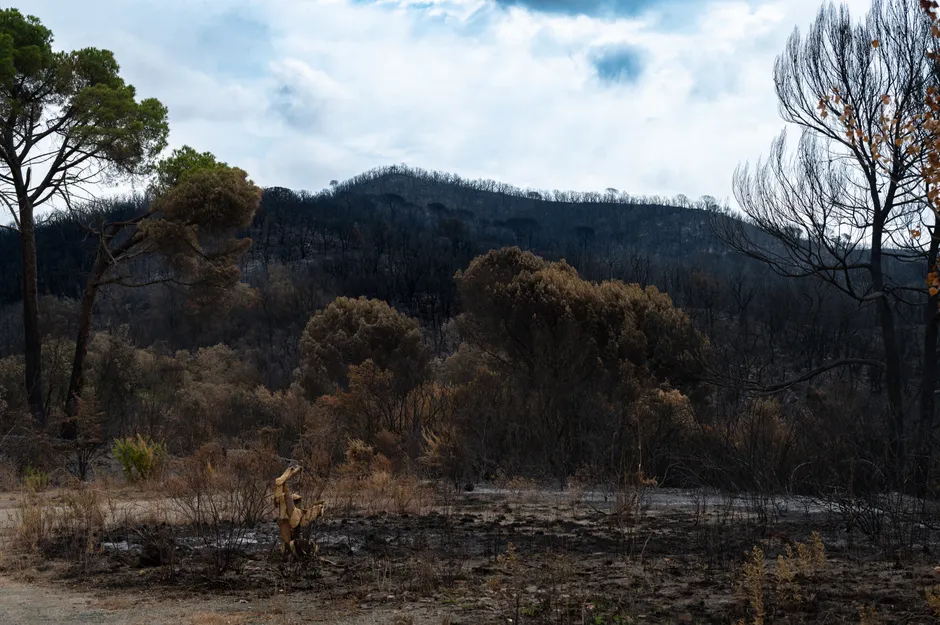
A wildfire that started on July 22, 2026, in a pine forest near the village of Saumos — about 40 km west of Bordeaux, on France's Atlantic coast — burned an area roughly the size of 3,300 soccer fields in less than 24 hours. More than 20,000 people had to leave their homes and vacations, including thousands of tourists The Guardian.
As of July 23, no one had been hurt and no homes had been destroyed. Seven hundred firefighters and four special planes that drop water on fires from above were sent to fight the blaze. The local government office, called the prefecture, said the wildfire situation "remains unfavourable" — meaning the fire was still not under control The Guardian.
The fire moved from Saumos toward the nearby towns of Le Porge and then Lège Cap-Ferret, pushed by the wind through a long stretch of pine forest called the Landes forest Gironde Prefecture. Flames reached 10 metres high — about the height of a three-story building. France had gone through three heatwaves since May 2026, leaving the forest extremely dry and easy to burn The Guardian.
People were moved out in stages. The first evacuation happened overnight on July 22, moving about 600 people from the Saumos area, including people at a camping site and about one hundred residents of the Porge North-East neighbourhood, who were sheltered in a communal hall Gironde Prefecture; Reuters. Reuters confirmed that more than 10,000 people were evacuated overnight as the fire spread quickly Reuters. Evacuations continued through July 23: 10,000 overnight, 2,000 in the morning, and about 8,800 at midday, bringing the total above 20,000 The Guardian. Nine nearby towns opened shelters for more than 2,500 evacuees.
Roads to the Cap Ferret peninsula were closed except for essential traffic, and cars were diverted away from popular beaches during the July 22 response The Guardian; Reuters. Patrick Martineau, 69, was among those evacuated from the village of Le Porge The Guardian.
Police opened an investigation into what started the fire. The mayor of Le Porge said the blaze appeared to have been started by a machine that was clearing away dry brush and small plants from the forest floor. Clearing undergrowth is normally done to help prevent fires, but if confirmed, this would mean the fire was started by human activity rather than a natural cause like lightning The Guardian.
A separate wildfire near Pontevès, about 70 km north of Toulon in south-eastern France, burned 2,500 hectares and destroyed at least 10 houses before it was brought under control on July 23. Having major fires burning in both south-western and south-eastern France at the same time put a heavy load on the country's firefighting resources during a long, heat-driven fire season The Guardian.
This is not the first time. In 2022, a wildfire in the same area burned more than 30,000 hectares and forced about 50,000 evacuations. The Landes pine forest, which stretches along the coast from Arcachon southward, is a fire-adapted ecosystem — meaning it has evolved to survive periodic fires and tends to build up large amounts of dry, resin-rich plant material on the ground. When heatwaves keep coming, that material becomes very easy to ignite. The three heatwaves since May 2026 dried out that fuel long before the July 22 fire started, and strong winds pushed the flames to 10 metres high.
The broader context here is one of repeating danger. The same area has now seen two mass-evacuation wildfires in four years, both tied to hot, dry summer conditions in the Landes forest. The Saumos fire burned a smaller area than the 2022 event but spread just as fast, consuming 2,400 hectares in under 24 hours. The staged evacuation response, the water-dropping planes, and the shelters opened across nine towns follow a playbook that has been improved since the 2022 season. But the prefecture's statement that conditions "remain unfavourable" shows the fire was not yet contained as of July 23.
The investigation into the suspected machine-started fire raises its own questions about how forests are managed in high-risk zones. Clearing undergrowth is meant to reduce the amount of flammable material on the ground and help prevent fires. But when that work is done during extreme heat and very dry air, the machinery itself can spark a fire. That paradox is well known among fire experts in Mediterranean countries. Whether French authorities will rethink the rules for when mechanical clearing is allowed in the Landes forest is a question that remains open.