France's Giant Wildfire: What Happened and Why It Matters

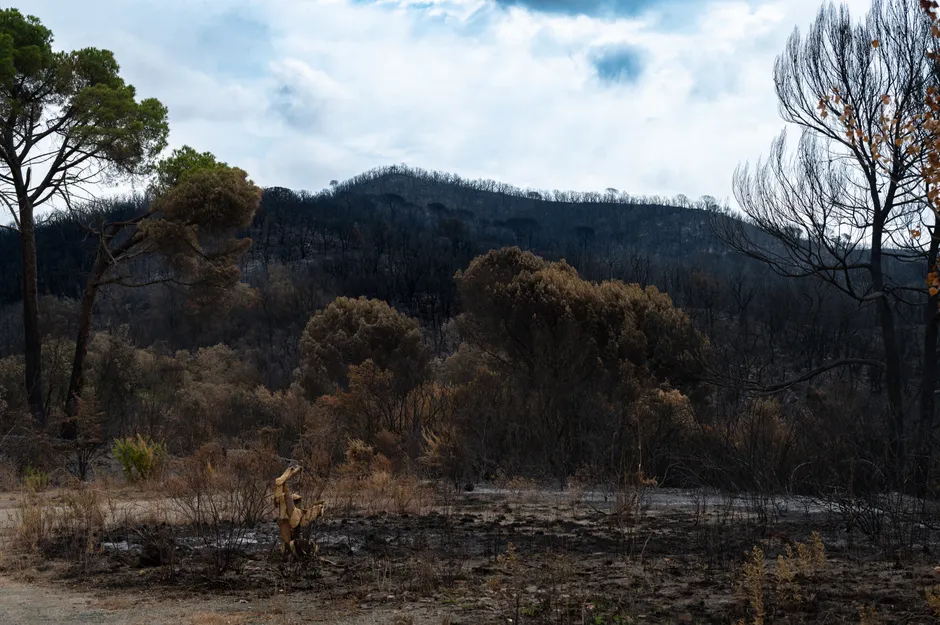
As of July 28, 2026, a huge wildfire in Gironde, a region in southwestern France, had burned an estimated 42,000 hectares — roughly the size of 60,000 soccer fields — and forced nearly 220,000 people to leave their homes across 23 towns. French President Emmanuel Macron held an emergency government meeting on July 27 because the fire had stretched the country's resources and was getting dangerously close to the famous Bordeaux wine-growing area.
The fire grew over several weeks. On July 7, Gironde was put on orange alert for forest fires, a warning level meaning high risk. On July 21, that was raised to red alert, the highest level. By July 25, the fire had burned 32,700 hectares and driven 167,000 people from their homes, according to TF1 Info. A sudden surge on the evening of July 26 sped the fire toward the city of Bordeaux, causing 55,000 more evacuations that day and pushing the total past 220,000, according to local officials cited by The New York Times. Important sites in the Bordeaux area were placed under close watch.
The response was large. As of July 27, 2,750 firefighters, 1,500 military troops, and 18 aircraft (helicopters and planes that drop water) were working to stop the Saumos fire. Firefighters fought the blaze all through the night of July 26–27 to slow it down before it reached the city. The day before, 500 firefighters and 300 gendarmes — a branch of France's military police — had been sent to fires across Gironde and the neighboring Landes area.
The human cost became clear on July 23, when two firefighters died while fighting a forest fire in Gironde. The operation where they died involved 120 people, 60 vehicles, and 3 aircraft. The emergency also put pressure on hospitals. On July 26, a special plan called "plan blanc" was activated. This plan lets hospitals call in extra staff and rearrange resources during a crisis. Air quality dropped and travel was disrupted in the affected areas.
The fire also threatens the economy. Le Point reported that thick smoke could damage future wine by affecting the grapevines. When smoke settles on grapes, it can change the taste of the wine made from them — a problem called "smoke taint." Workers built firebreaks, which are cleared strips of land with no plants, between the towns of Marcheprime and Blagon to stop the fire from reaching the wine region directly. Max Saltman, a Bordeaux wine expert, said on July 25 that the 2026 wine harvest was "safe for now." Le Monde, a major French newspaper, called the fire an "economic thunderbolt" that justified the government's large-scale response.
As of July 27, authorities said the fire situation was "very unpredictable." The fire stayed stable after a calm night on July 28, but evacuees were not yet allowed to return home.
The broader context here is a test of how well the French government can manage a crisis when environmental and economic pressures pile up at the same time. The steady climb from orange to red alert, followed by the deployment of thousands of firefighters and 1,500 military troops, shows how much these giant wildfires strain local and national resources. Sending military forces to work alongside civilian firefighters points to a shift toward treating major disasters more like security operations, a stance reinforced by Macron's emergency Cabinet meeting.
The threat to Bordeaux wine adds a specific economic layer to the crisis. The firebreaks between Marcheprime and Blagon were a targeted effort to protect a valuable industry. The worry about smoke taint, as reported by Le Point, means the risk could last even if the flames never reach the vines. Le Monde calling the fire an "economic thunderbolt" points to possible long-term consequences for a region that depends heavily on wine. The stabilization on July 28 offers a pause, but officials say the situation still depends on the weather.