France's Huge Wildfire: Why 220,000 People Had to Leave Their Homes
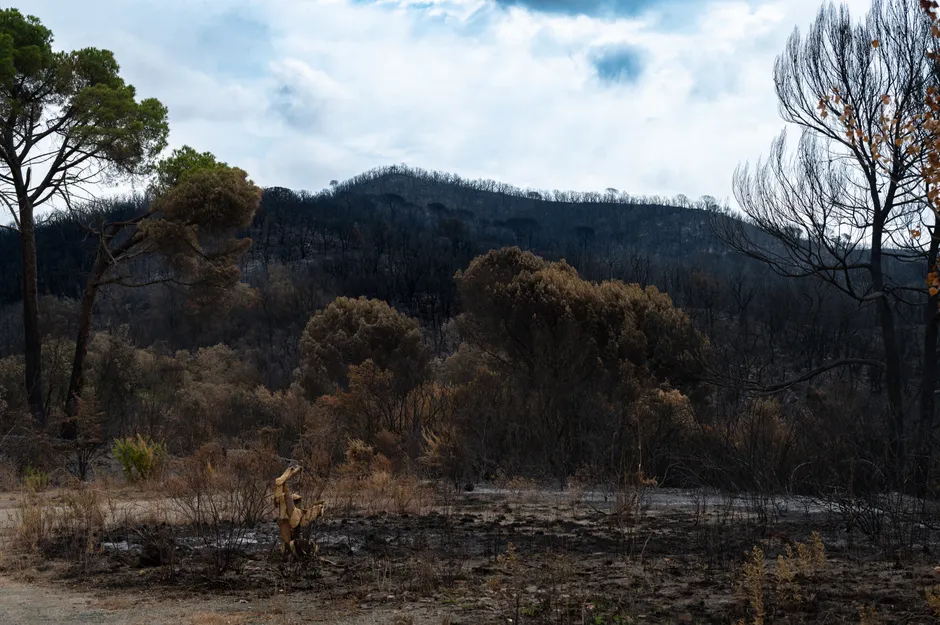
A massive wildfire in southwestern France has burned an area roughly the size of 60,000 soccer fields — about 42,000 hectares, or 104,000 acres — as of July 27, 2026. Officials said the fire was "stable" on July 28 after a calm night, but they warned it is "not yet fixed," meaning it could still flare up again. No one who was evacuated can go home until the fire is fully under control.
Nearly 220,000 people were told to leave their homes across 23 local areas, making this one of the largest evacuations in France outside of wartime. Evacuations started on July 22, and another 55,000 people had to leave overnight as the fire spread, according to Associated Press reporting cited by ABC News. The local government had placed the area on its highest wildfire alert level (called "vigilance ROUGE," or red alert) on July 21.
The fire suddenly got much worse on the evening of July 26, undoing earlier progress. At that point, France had deployed a huge response: 2,500 firefighters, 1,500 soldiers, and 18 aircraft (helicopters and planes that drop water), according to the local government's July 26 update. By July 27, 500 firefighters and 300 police officers remained on the ground. France's interior minister said the fire was "stabilized" but not yet "contained." In wildfire terms, that means the fire has stopped spreading in some areas but is not yet fully surrounded and cut off.
Smoke covered the city of Bordeaux on July 26, and air quality worsened across the surrounding region. Roads and transport were disrupted. Hospitals in the area activated a special emergency plan (called "plan blanc"), which lets them add beds, cancel non-urgent treatments, and move staff where they are needed most. Sensitive sites near Bordeaux were put under extra watch on July 27 as the fire moved closer to the city's edge.
Firefighters built firebreaks — gaps in the land cleared of anything that can burn — between the towns of Marcheprime and Blagon to stop the fire from reaching the city, Reuters reported. The fire also reached wine-growing areas, threatening vineyards in a region famous for its wine. The two affected areas, Gironde and Landes, hold a large share of France's forests, and the fire spread across both.
Hot weather returned on July 28, raising fears the fire could get worse again, according to the French newspaper Sud Ouest. Fires in this region's pine forests are very sensitive to wind and temperature changes. A similar fire in 2022 showed how a fire that seemed under control can come back to life when heat returns and the air stays dry. That is exactly what happened here on July 26.
The broader context here is about how France handles disasters like this. Sending 1,500 soldiers to help firefighters shows how seriously the national government took this crisis. The decision to evacuate 220,000 people reflects a strategy France has developed over years: protecting people comes first, even if it means huge numbers of displaced residents. The trade-off is that tens of thousands of people are still in temporary shelters, and officials have been clear they cannot return until the fire is completely out with no risk of restarting.
What happens next depends on the weather. If the heat wave continues and there is no significant rain, the progress made overnight could be lost. The red alert from July 21 is still active, and the hospital emergency plan suggests authorities are also preparing for health problems caused by smoke and heat among the people who had to leave their homes.


