What's Happening With the West Virginia Floods? A Plain-English Explainer
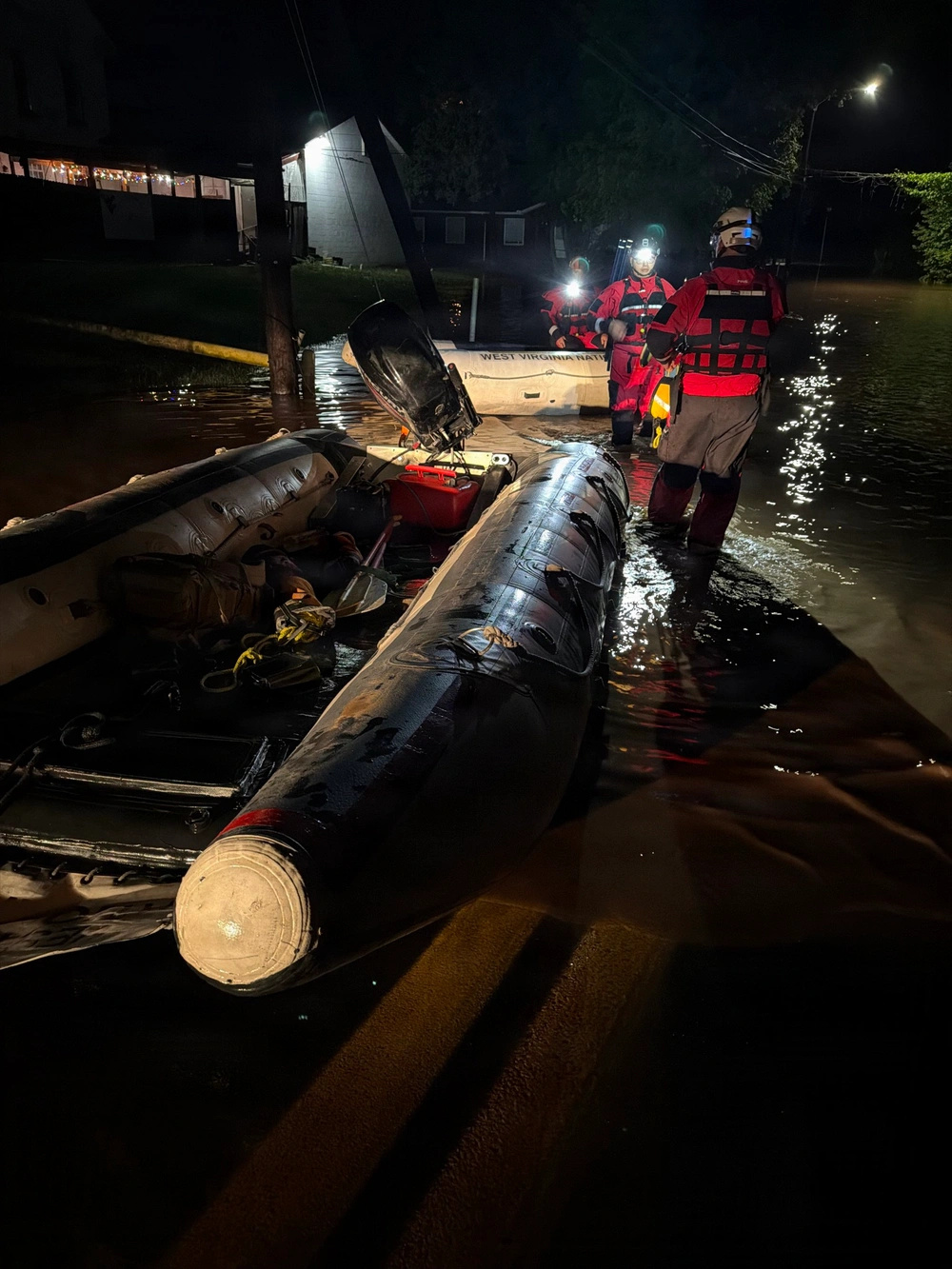
About 500 National Guard members have been sent out across West Virginia after heavy rain caused dangerous flash flooding starting July 18, 2026. The floods have cut off entire communities, flooded homes and businesses, and left more than 6,000 residents without electricity as of July 24 (The Guardian).
Governor Patrick Morrisey declared a state of emergency for all 55 counties on Tuesday, July 22, and also issued a "state of preparedness" as severe weather bore down on the state (The Guardian). A state of emergency is a formal declaration that gives government agencies special powers to redirect money, people, and equipment toward the crisis, and to ask the federal government for help.
The National Weather Service issued a flash flood emergency during the event. That is the most serious flood warning it can give, used only when flooding poses an immediate threat to life and property (CNN). The flooding began on July 18, and the storm system hammered the Ohio Valley region over the following days.
The worst-hit areas were Lewis, Pleasants, and Upshur counties. In Upshur County, about 4.5 inches of rain fell in just 37 minutes. That much rain that fast overwhelms almost any drainage system and turns low areas into fast-moving flood zones almost instantly (The Guardian). Floodwaters covered roads and bridges, making parts of the state impossible to reach and leaving residents stranded (AP News).
The National Guard deployment happened in two waves. First, about 100 troops went to the hardest-hit areas. Then, on Wednesday, July 23, 400 more were called up, bringing the total to about 500 (The Guardian; DVIDS). Guard members are searching for people who need rescuing, clearing debris, and helping local emergency teams that have been overwhelmed by the scale of the disaster.
At a news conference on Wednesday, Morrisey said the state was still in a "phase of search and rescue." He told reporters that officials were "concerned about fatalities" but could not yet say how many people were missing (The Guardian). The governor warned that even though the worst of the storm had passed, the ground was still soaked and rivers were still high, meaning more flooding could happen.
The website Poweroutage.us reported more than 6,000 West Virginia customers without electricity as of Thursday morning, July 24 (The Guardian). The power outages make things harder for emergency workers, who need electricity to run shelters and provide medical care in communities cut off by the floods.
The broader context here is that the flooding danger does not end when the rain stops. When the ground is fully soaked, it cannot absorb any more water, so even a little more rain can cause new flooding. Think of it like a sponge that is already completely wet — any extra water just runs right off. Rivers that stay above their normal levels keep the threat going, which means National Guard troops and emergency teams may need to stay deployed for longer than expected.
West Virginia's landscape makes flash flooding especially dangerous. The state has steep hills and narrow valleys, so rainwater rushes downhill quickly into tight spaces, creating floods that rise fast and give people little time to evacuate. The 4.5 inches of rain that fell in 37 minutes in Upshur County is more than most drains, pipes, and small bridges are built to handle, so infrastructure failure becomes almost certain.
It is also worth noting that the governor declared an emergency for all 55 counties, even though only three were hit hardest. That tells us officials saw the storm as a widespread threat, not a local one. A statewide declaration also makes it easier for counties to share resources with each other and puts the state in a position to ask FEMA (the Federal Emergency Management Agency) for a federal disaster declaration. If approved, that would unlock financial help for affected communities.
In my view, the situation is still very much in progress. Morrisey's decision not to give a fatality count suggests that teams have not yet been able to reach many flooded areas, which is common in floods where the water has to recede before anyone can assess the damage. The fact that the Guard deployment jumped from 100 to 500 troops in about 24 hours suggests that either the initial need was underestimated or conditions got worse faster than anyone expected.