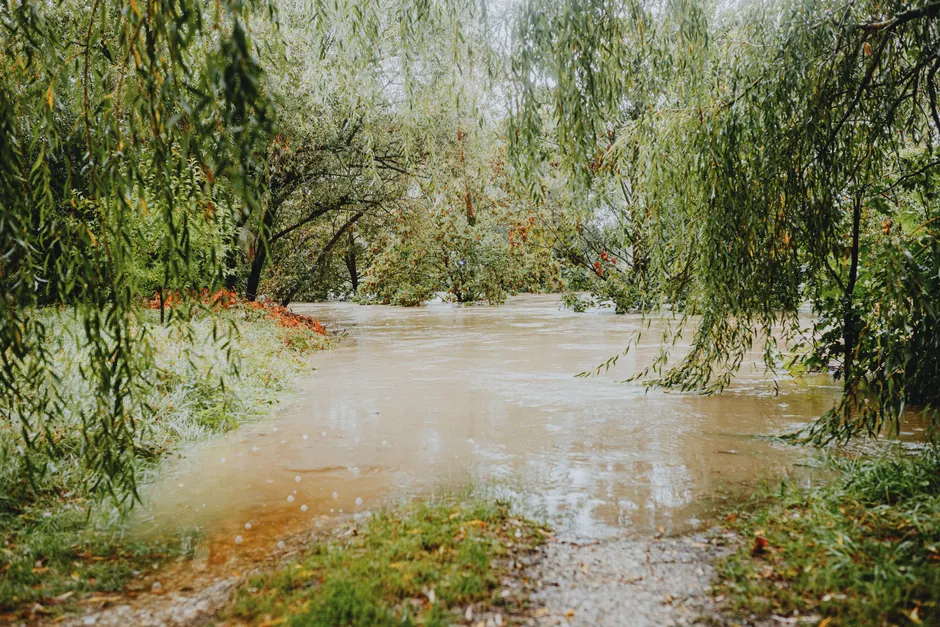
Heavy Rains Force Missouri to Declare Emergency as Flash Floods Spread

Missouri Governor Mike Kehoe declared a state of emergency after severe storms dropped 6 to 12 inches of rain across parts of the state, causing dangerous flash flooding in multiple counties The Guardian.
When a governor declares a state of emergency, it means the state government can respond to a crisis more quickly. Agencies don't have to wait for formal requests to pass through normal channels—they can work together directly. The agencies responding include the State Highway Patrol, emergency management officials, fire safety crews, state parks, and conservation officers The Guardian.
Thunderstorms that hit Thursday night into Friday morning created the flooding. The National Weather Service called it "catastrophic" and issued its highest-level warning—called a Flash Flood Emergency—for parts of Iron and Reynolds counties on Friday NWS St. Louis. This warning means the flooding poses a severe danger to people's lives. As the storm moved, warnings expanded to include Andrew, Madison, Washington, Buchanan, Crawford, Clinton, DeKalb, and Holt counties.
Governor Kehoe said the floods had already forced rescues in multiple parts of the state. He sent out Missouri's swift-water rescue team—50 trained rescuers with boats and special equipment—to help local first responders pull people to safety Governor's Office. He warned anyone camping or near rivers to move to higher ground right away.
The danger is far from over. More heavy rain is expected through the weekend. The National Weather Service warned of damaging wind gusts and additional thunderstorms, with hail or even brief tornadoes possible NWS/Kansas City DSS Packet. Flood warnings are in place through the weekend.
The storms moved slowly enough that rain kept falling on the same ground, day after day. When soil is already saturated from earlier rain, additional downpours can cause water to rush downhill with little warning—that's flash flooding. Iron and Reynolds counties sit in hilly terrain where water runs off quickly, which is one reason the National Weather Service issued the highest warning level there.
What's happening here follows a standard playbook for emergency response. The governor's declaration allows the state to respond immediately while also preparing to ask the federal government for help with recovery and rebuilding if damage is severe. The state sent its own rescue team first, which tells us officials think they can handle the immediate crisis themselves.
But the forecast for the weekend creates real challenges. Rescue teams and inspectors in one area have to work while other areas brace for new flooding. Small-town fire departments and emergency services are stretched thin already, and this puts them under even more pressure. The flood watch extending through the weekend means more counties could be affected before this is over.