Apple Maps Is Going Straight Into Ford's New Electric Cars

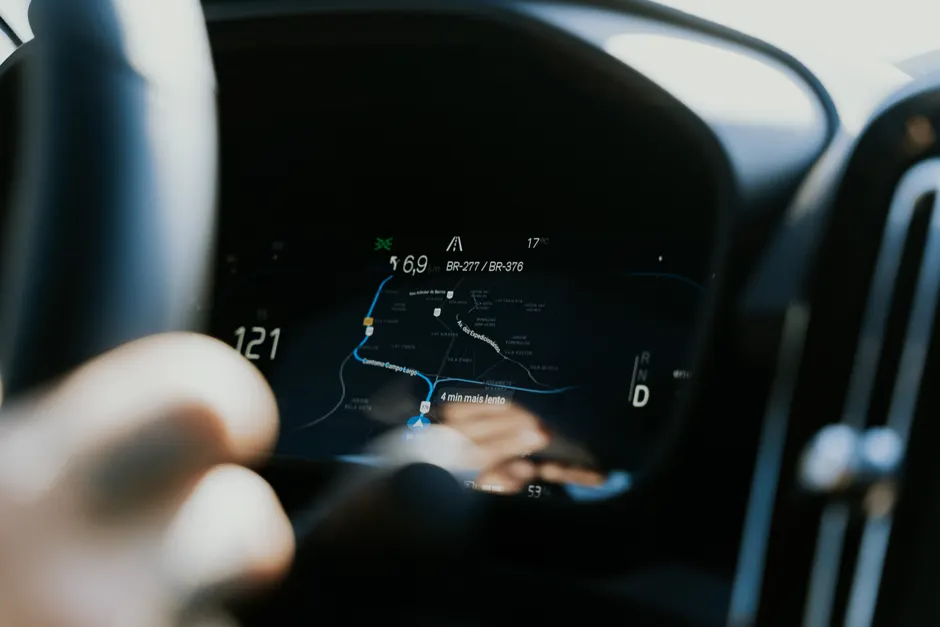
Apple Maps will be the built-in navigation system for Ford's upcoming electric vehicles, under a partnership announced July 23, 2026. The maps will run directly on the car's own screens, not projected from a driver's iPhone (Apple Newsroom, Engadget).
The technology connecting the two is a set of tools from Apple called MapKit for Automotive, which lets carmakers build Apple Maps directly into their vehicles' dashboard and instrument displays (Engadget). Ford is the first carmaker to use these tools, according to TechCrunch. The Apple Newsroom post carrying the announcement was labeled an "UPDATE" rather than a full press release, which may suggest Apple sees this as a steady expansion rather than a major new launch.
The Ford integration will offer spoken directions in plain language, live traffic updates, accident alerts, and multiple route choices. These are features Apple Maps already provides on iPhones and through CarPlay (Apple's system for showing iPhone apps on a car's screen), but now the software will be built into the car itself (Apple Newsroom).
Beyond giving directions, Apple Maps data about roads will feed into Ford's next-generation BlueCruise system. BlueCruise is Ford's hands-free highway driving feature, where the car can steer, speed up, and brake on its own on highways while the driver stays alert and ready to take over (TechCrunch, Engadget). Apple calls this its first collaboration that supports self-driving technology (Engadget). That is a notable line for a company that shut down its own self-driving car project after years of internal work.
The vehicles are aimed at the affordable end of the electric car market. Ford's platform is set to power a lineup of lower-cost electric vehicles, starting with a midsize pickup truck priced around $30,000 and due in 2027 (Engadget). Ford has said its upcoming EVs will be cheaper than a three-year-old used Tesla Model Y (Engadget).
According to The New York Times, other carmakers may follow Ford's lead in using Apple Maps for vehicle navigation. If that happens, Apple's mapping system could become a common layer of software across many car brands, a space where Google has already gained ground through partnerships with Volvo, Polestar, Honda, and others.
This deal puts Apple Maps into a different role than before. With CarPlay, your iPhone's screen is mirrored onto the car's display. With this new approach, Apple's map data, routing, and points of interest become part of the car's own software. That is closer to how Google licenses its automotive software bundle to carmakers.
The BlueCruise connection adds another layer. Detailed road data is essential for hands-free driving systems, and Ford is choosing Apple's data over alternatives from companies like HERE, TomTom, or Google. That means the future quality of Ford's hands-free driving depends in part on how good Apple's road data is. Apple has been building its own maps from scratch since around 2018.
One thing worth flagging is that Apple's choice to label this an "UPDATE" rather than a full press release is a deliberate signal. Apple usually saves full press releases for major product launches or milestones it wants wide attention on. An "UPDATE" label suggests Apple sees the Ford partnership as an incremental step in an existing effort, not a new strategic direction. Whether that holds true may depend on whether other carmakers adopt Apple's tools at scale.
The vehicles are still on track for 2027, and Ford's BlueCruise development using Apple's road data is presumably already underway. The market will not see the results of this integration for at least a year. What it signals now is that Apple is willing to license its mapping technology to carmakers as built-in software, that Ford sees value in Apple's road data for its driver assistance features, and that the competition over whose mapping technology powers the next generation of cars is heating up.