The US Struck an Iran-Iraq Border Crossing — Here's What's Going On
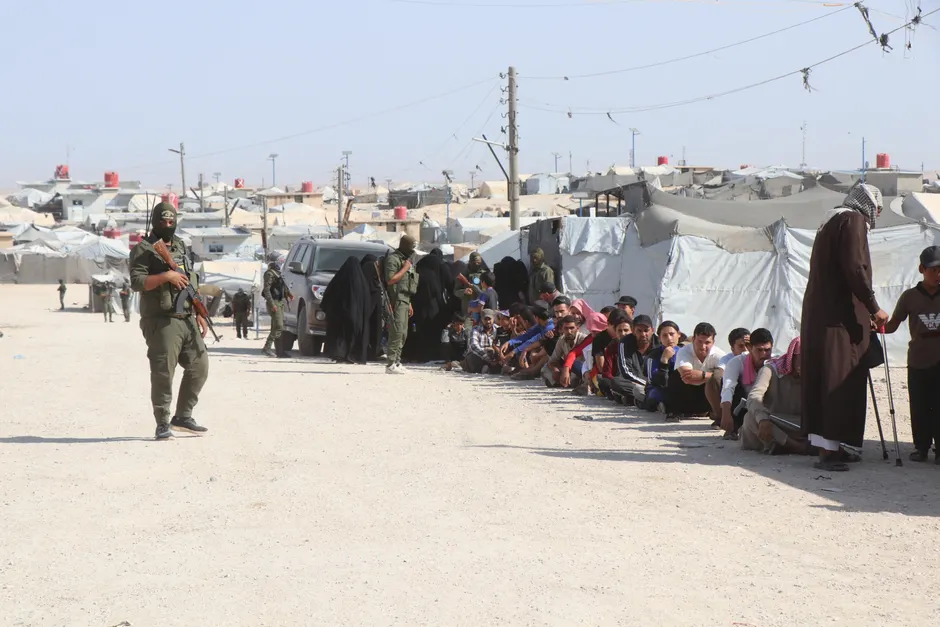
A US military strike hit Iran's Shalamcheh border crossing with Iraq on Thursday, July 23, 2026, killing two people and leaving fires burning across the facility. Eyewitness footage showed destroyed buildings at the site.
Eyewitness footage published on July 23 showed fires actively burning at the Shalamcheh crossing and substantial damage to buildings at the site, according to Al Arabiya English. The same date was confirmed by Firstpost, which identified the footage as being from Thursday, July 23. Two people were killed in the strike, as reported by Anadolu Agency.
Shalamcheh is a crossing point on the border between southwestern Iran and Iraq's southern provinces. People and goods move through it in both directions. When a military strike hits a border crossing like this, the impact goes beyond the people hurt or killed. It can block trade, strain relations between the two countries that share the border, and raise questions about whether fighting might spread along a frontier that has been heavily armed for decades.
Iraq's response has had several parts. The country's border crossings commission issued a statement saying all of Iraq's land border crossings are open and commercial movement is normal, as Gulan Media reported. Iraqi airspace, however, remained closed amid regional tensions. In other words, Iraq is keeping its roads open but its skies shut — a sign that the government wants commerce to keep flowing while protecting itself from dangers from above.
At the same time, Al-Zaidi, the head of Iraq's border crossings authority, ordered the Interior Ministry's Border Forces Command to close all unofficial land and maritime routes, according to 964 Media. These are the informal pathways that have long operated alongside official crossings, letting people and goods move outside the government's rules. Closing them tightens state control over which routes stay open and which get shut down.
The broader context here is about the risk of escalation at a border that has long been both a pathway and a danger zone. Iraq is in a very difficult spot: it depends on the United States for security help and on Iran for trade and energy. A strike at a crossing both countries share puts pressure on both of those relationships at the same time. Keeping official land crossings open looks like an attempt to limit economic damage from the strike. But closing the airspace and shutting down unofficial routes suggests Iraqi authorities are preparing for things to get worse.
Several questions remain unanswered. The specific US military unit or command responsible for the strike has not been identified in the verified sources. The two people killed have not been further described. And Iraq's airspace closure, while mentioned in the border commission's statement, has no projected reopening date.
What is clear is that the Shalamcheh strike has added a new flashpoint to an already tense region. Border crossings used to be mainly about trade and civilian travel. Now one has become a place of direct military action.