What the FDA's Close Vote on Popular Peptides Means for You

On July 23, 2026, a group of advisors to the FDA voted 8-6, with one person abstaining, to recommend that three injectable substances called peptides — known as BPC-157, TB-500, and KPV — be added to a list that would let pharmacies make and sell them without the usual full approval process. The vote is not final — the FDA can still decide whether to follow the advice — but the agency usually does. The advisory group, called the Pharmacy Compounding Advisory Committee, was scheduled to vote on three more peptides the next day, July 24, as part of a two-day meeting covering seven substances in total.
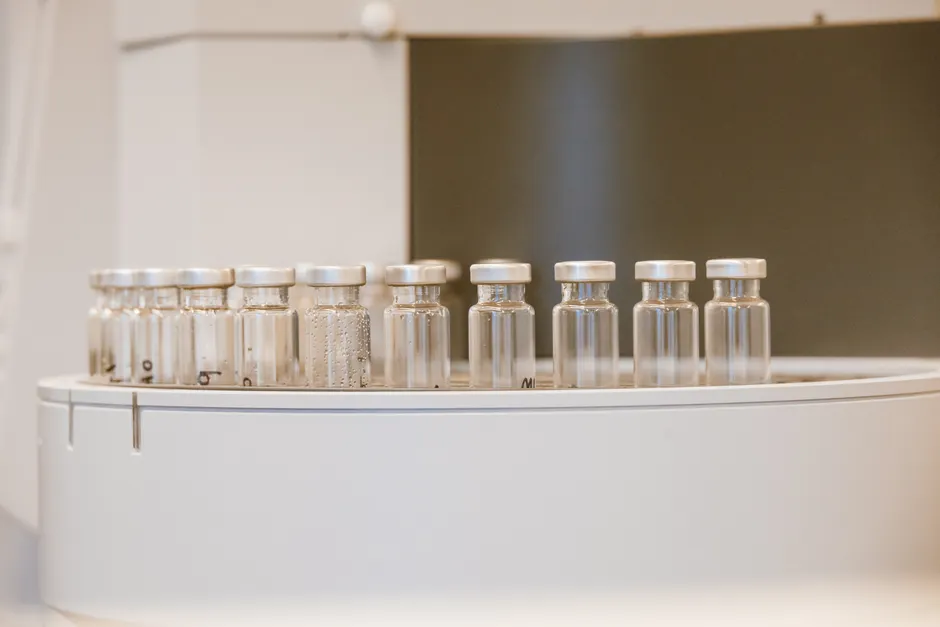
Peptides are short chains of amino acids, the building blocks of proteins. Some are naturally found in the body; others are made in labs. BPC-157, TB-500, and Semax have become popular among fitness enthusiasts and people interested in self-experimentation, sometimes called "biohackers."
The list in question is sometimes called the "503A Bulks List." Here is how it works: normally, a new drug has to go through years of testing — clinical trials on people — to prove it is safe and effective before it can be sold. But there is an exception. Under a law called Section 503A, specially licensed pharmacies can mix up custom medications from raw ingredients, as long as those ingredients are on the FDA's bulks list. Once a substance is on the list, pharmacies can prepare and distribute it without going through that full approval process.
Think of the standard drug approval process like getting a driver's license: you have to pass a test and meet requirements before you can drive. Getting on the bulks list is more like getting a learner's permit to drive in a parking lot — fewer requirements, more flexibility, but also less oversight.
The FDA's own staff scientists gave highly critical reviews of BPC-157, TB-500, and other peptides, saying there was little data to support their safe use. The FDA has warned that drugs containing BPC-157 may cause the immune system to react in harmful ways when injected. The agency has also separately warned Americans about the risks of injecting BPC-157 and TB-500. About KPV, the FDA said it "lacks important information regarding any safety issues raised by KPV, including whether it would cause harm if" administered. The FDA even has a public webpage titled "Certain Bulk Drug Substances for Use in Compounding May Present Significant Safety Risks" that covers both BPC-157 and KPV.
Who was on the voting panel became a source of controversy. Before the July 23 meeting, more than half a dozen people with ties to the peptide industry were added to the advisory group, including doctors, pharmacists, and consultants who work in the field. Panel members from universities mostly voted against the peptides. Those with industry connections mostly voted in favor.
Dr. Elizabeth Rebello of the University of Texas MD Anderson Center said she was concerned the panel was "responding to a market-induced demand rather than a decision based in solid science." David Pope, chief pharmacy officer of Xifin Pharmacy Solutions, voted yes on BPC-157, saying it was "time to put this decision back in the hands of the patient, the physician and the pharmacist."
Health Secretary Robert F. Kennedy Jr. has called himself a "big fan" of peptides and promised to overturn FDA restrictions put in place under Joe Biden. Supporters of peptides include podcaster Joe Rogan and longevity influencer Gary Brecka, who backs RFK Jr.'s "Make America Healthy Again" agenda and sells peptides through his website. The June 2026 restrictions Kennedy wants to overturn had already drawn attention, with AP reporting in late June that the FDA had cautioned Americans about injection risks.
The broader context here is a clash of two ideas about how drugs should be regulated. The compounding pharmacy pathway was originally meant as a small exception — for when a doctor needs a medication customized for one specific patient, not for widely distributing substances that have not passed the full approval process. If the FDA follows the panel's recommendation, these three peptides would become available at compounding pharmacies without the clinical trial data that the FDA's own scientists say is not enough. If the FDA says no, it would put the agency directly at odds with a Health Secretary who has made peptide access a personal mission.
The split vote also raises a familiar concern: whether the people advising the FDA were truly independent. The pattern — industry-connected members voting yes, university-based members voting no — echoes questions that have come up before in FDA controversies over opioid painkillers and medical devices. What makes this case unusual is how many industry-connected members were added to the panel right before the vote, and the fact that a cabinet-level official publicly committed to an outcome before the scientific review was even finished.
The panel had three more peptides to vote on July 24, including MOTs and Semax. How those votes go will show whether this result was about these specific substances or part of a bigger shift toward easier access to unapproved peptides. Either way, the outcome will shape how the FDA acts, and how Kennedy's public intentions interact with the agency's own process.