Why the FDA Is Reconsidering Peptides — and Why It Matters
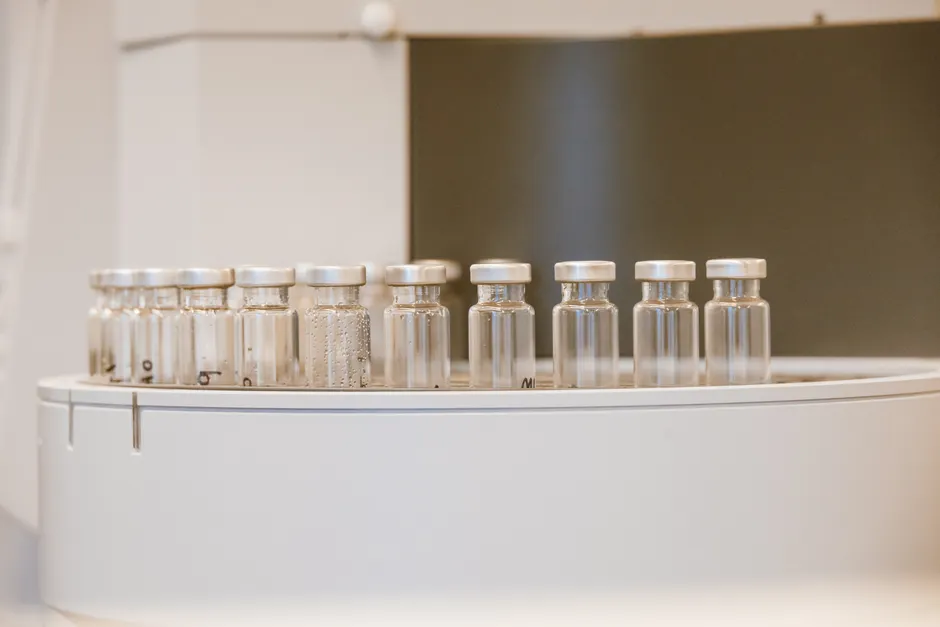
On July 23–24, 2026, a group of experts that advises the FDA will decide whether seven substances called peptides — including BPC-157, TB-500, KPV, and Semax — can be legally made by special pharmacies for patients with prescriptions. Health Secretary Robert F. Kennedy Jr. has publicly backed these compounds and called for an end to what he describes as the "FDA's war on public health" (Reuters).
Peptides are tiny pieces of protein that can affect how the body heals, manages inflammation, and handles pain. The seven under review are promoted for a wide range of conditions: ulcerative colitis, wound healing, inflammatory conditions, obesity, migraines, chronic pain, insomnia, and opioid withdrawal. The FDA's own documents, published before the meeting, say there is little evidence these compounds are safe or effective, pointing to a lack of proper human trials and concerns about quality and consistency (Al Jazeera).
These substances would be made by compounding pharmacies. Unlike regular drug companies that mass-produce standardized pills, compounding pharmacies mix customized medications for individual patients. They are allowed to do this only with ingredients that appear on a government-approved list. The seven peptides are being considered for addition to that list, which is called the 503A Bulks List (Federal Register). The FDA briefing document also lists Emideltide (free base)/Emideltide acetate and Epitalon-related bulk drug substances among those under consideration (FDA).
This meeting partially reverses a decision the FDA made in 2023. That year, the agency removed 14 peptides from the approved list, citing risks related to immune reactions, toxicity, and impurities (Reuters). The current review could loosen that stance. The possibility has already moved markets: in April 2026, shares of Hims & Hers Health rose amid expectations the FDA would consider broader access to compounded peptides (Reuters).
Kennedy, who oversees the FDA as Health Secretary, has placed peptides at the center of his broader critique of the agency. He has described what he calls the "aggressive suppression" of psychedelics, peptides, and stem cells. He has said he has used peptides personally with "really good effect" and argues that restrictions push consumers into an unregulated grey market — a space where products are sold outside legal channels with no quality oversight (Al Jazeera).
The panel reviewing the peptides has also drawn scrutiny. According to the Associated Press, seven of the panel's 14 members have ties to businesses or clinics involved in peptide therapies. One of them is Tennessee state senator and pharmacist Bobby Harshbarger, whose family owns a pharmacy that sells compounded medications. His mother, Republican Representative Diana Harshbarger, urged Kennedy last year to loosen FDA restrictions on peptides (Al Jazeera). The Department of Health and Human Services has defended the panel, saying every member went through the same ethics review required for FDA advisory committees and that anyone who failed to meet federal ethics requirements was removed (Al Jazeera).
The panel's recommendations are not binding on the FDA. The committee, established under the Federal Advisory Committee Act, serves as an advisory body whose conclusions inform but do not dictate agency action. FDA advisory committees are either mandated by law or established at HHS discretion, and each is subject to renewal at two-year intervals unless the charter states otherwise (FDA).
The broader context here is a clash between two ways of thinking about drug safety. The FDA's approach requires solid clinical data before compounds are deemed safe. Its 2023 decision to remove 14 peptides was based on specific concerns — immune reactions, toxicity, and impurities — that still have not been resolved for the compounds under review. Kennedy's approach frames restriction itself as harmful, arguing that banning these substances drives consumers toward unregulated sellers with even less oversight. The tension is sharpened by Kennedy's dual role: he is both the FDA's political boss and someone who says he has personally benefited from the very substances the agency is evaluating.
The conflict-of-interest questions add another layer. Half the voting members having financial or professional ties to peptide-related businesses is a ratio that would raise eyebrows in any advisory setting. The HHS defense — that standard ethics review was applied to everyone — is procedurally sound, but it does not answer the deeper question of whether a panel this heavily populated with compounding-industry insiders can produce an assessment the public will trust as independent. The Harshbarger family connection, where a panel member's mother directly lobbied the Health Secretary on the same issue, gives that concern a specific, traceable thread.
What happens next depends on how the FDA responds to the panel's recommendations. If the agency adds some or all of the seven substances to the approved list, compounding pharmacies would gain legal authority to make and dispense these peptides with prescriptions, reopening a market the agency closed in 2023. If the FDA declines, the grey market Kennedy describes would continue, and political pressure from HHS would likely persist. Either way, the outcome affects the compounding pharmacy industry, the telehealth platforms built around these products, and patients seeking access to compounds the medical literature has not yet fully evaluated.
For anyone following this story, the key things to watch are the specific wording of the panel's recommendations, whether the FDA's final decision follows or diverges from those recommendations, and whether any approval comes with conditions — such as labeling requirements, pharmacy certification standards, or post-market monitoring — that would limit compounding access even while allowing it. The market reaction in April 2026 to the mere possibility of broader access suggests the financial stakes are significant, and the political stakes, given Kennedy's involvement, are just as clear.


