The ICC's Top Prosecutor Faces a Removal Vote — Here's What's Going On

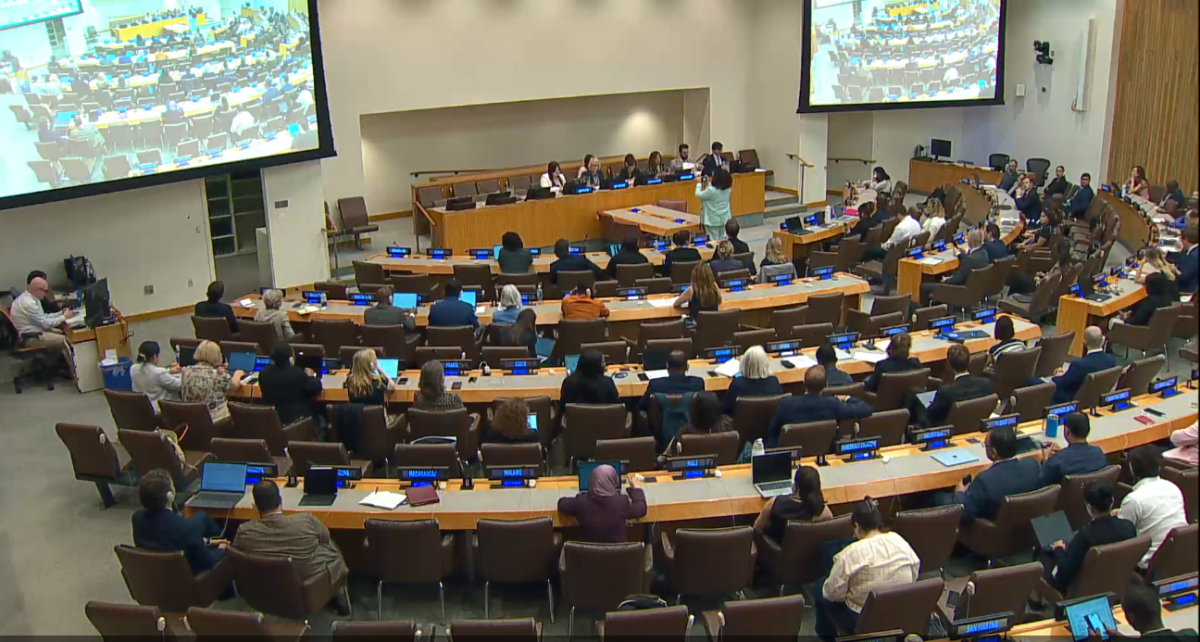
On July 24, 2026, the countries that belong to the International Criminal Court (ICC) met at the United Nations in New York to vote on whether to fire the court's chief prosecutor, Karim Khan. The vote was held by secret ballot, meaning each country's vote was kept private. Results were expected by late afternoon. Al Jazeera
The ICC is a court that tries people for serious international crimes, like war crimes and genocide. It is backed by 125 member countries. Khan, a 56-year-old British lawyer, had already been suspended from his job while the vote was pending. The court's oversight body said the suspension was based on a United Nations investigation, advice from a specially assembled group of judges, and written statements. Al Jazeera
The accusations against Khan involve claims of sexual harassment made by a junior staff member who worked as his assistant. The accuser, identified publicly only as "Sarah," told CNN that Khan touched and groped her in ways that escalated over time. She said that in one incident, he touched her intimately while she pretended to be asleep. Al Jazeera
Khan has firmly denied any wrongdoing. His lawyer, Sareta Ashraph, said Khan denies "any form of sexual contact, relationship, consensual or non-consensual" with the accuser. Khan's legal team, which also includes lawyer Tayab Ali, said a group of independent judges found no evidence strong enough to prove the allegations. Khan himself called the process "unjustified and unlawful" and said his suspension broke the court's own rules. Al Jazeera
Khan could not attend the vote in person because of US sanctions. Sanctions are penalties a government can place on people, often blocking them from traveling to that country or accessing money. In this case, the sanctions prevented Khan from entering the United States, where the vote was held. The US imposed these sanctions after Khan sought arrest warrants in 2024 for Israeli Prime Minister Benjamin Netanyahu and then-Defence Minister Yoav Gallant. Al Jazeera
Several countries publicly said how they would vote before the meeting. The Netherlands announced around July 16, 2026, that it would support removing Khan. Reuters France said on July 24, 2026, that it would vote to dismiss him. Reuters
To remove Khan, at least 63 of the court's 125 member countries needed to vote yes. If Khan were removed, the process to choose a new prosecutor would start right away, but a replacement was not expected to be chosen before 2027. Arrest warrants the court had already issued, including those for Israeli officials, would stay in place no matter what happened in the vote. Only ICC judges can take back a warrant once it has been issued. Al Jazeera
The path to this vote took over a year. The Assembly of States Parties, which oversees the court, first issued a statement on May 18, 2025, about a communication from Khan dated May 16, 2025. A disciplinary decision followed on June 8, 2026. The Assembly's next major session is scheduled for December 7–17, 2026, in New York, where the court's leadership and any prosecutor vacancy will be on the agenda. ICC ASP ICC ASP ICC ASP
The broader context here is that three separate problems are hitting the prosecutor's office at the same time, and together they make this vote especially important. The sexual misconduct allegations raise questions about the character of the person holding the job. The US sanctions, which started because Khan went after Israeli officials, raise the question of whether the court's top prosecutor can even enter the country where key meetings happen. And the possibility that no new prosecutor will be in place until 2027 means the court could go months without a confirmed leader while war-crimes cases are active. Countries voting on July 24 had to think about all of this, not just the allegations against Khan. The existing arrest warrants would survive his removal, which offers some continuity, but a court without a permanent prosecutor for months carries real risks for ongoing investigations and future cases.