Instagram Says It Will Delete Harassment Videos Filmed With Meta Smart Glasses
Instagram head Adam Mosseri said the platform is removing videos filmed with Meta smart glasses that harass people who do not know they are being recorded. His comments, first reported by Business Insider, were covered by The Verge on July 24, 2026.
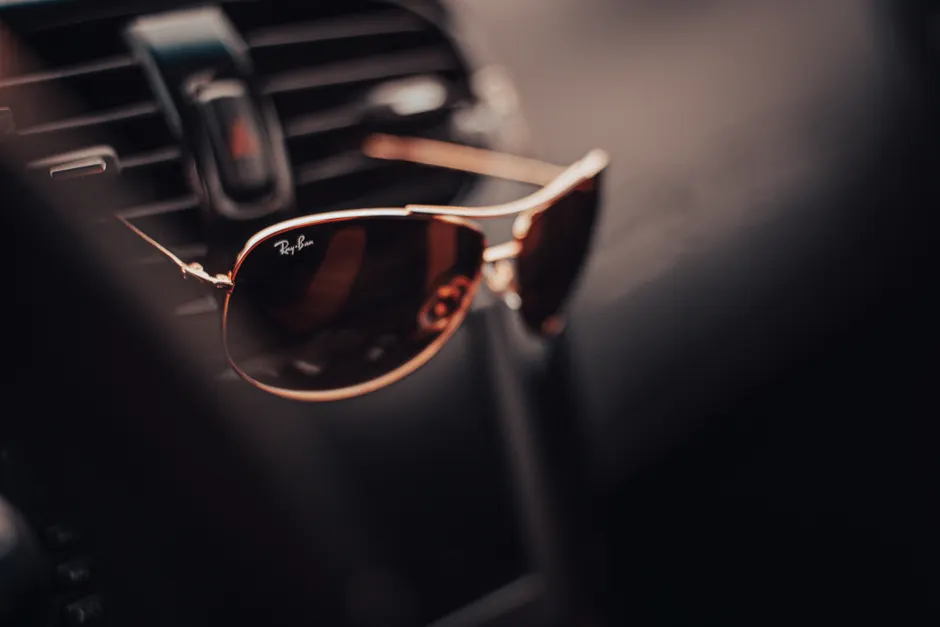
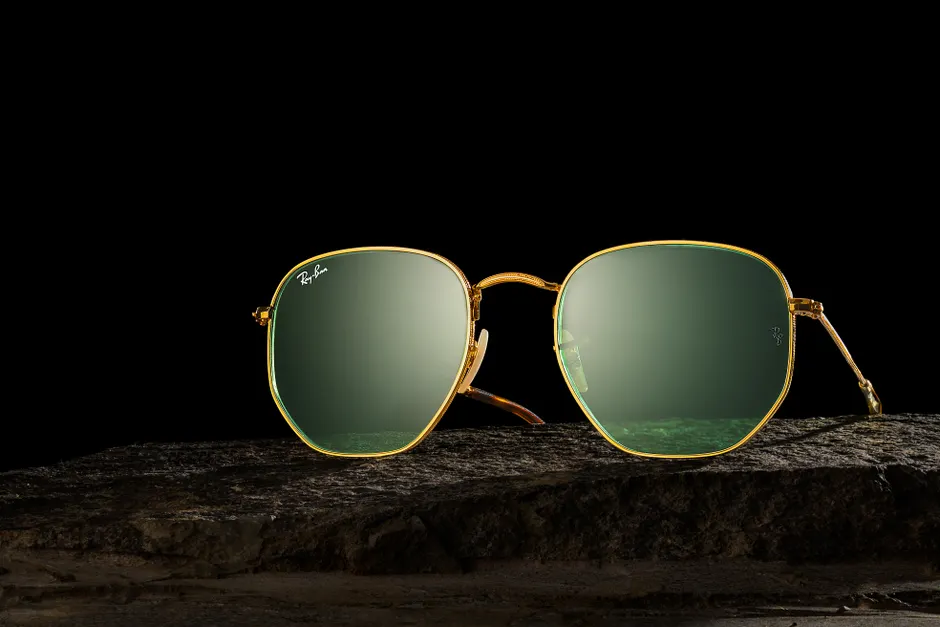
The videos in question are part of a trend where creators approach strangers, often women, with rehearsed "pickup lines" while secretly recording them through Meta Ray-Ban smart glasses. The footage is then posted online to attract views and engagement. Mosseri said Meta does not want people "surreptitiously taking videos of other people and harassing them and then posting them on our platform."
The Verge's article references earlier Business Insider reporting from March 2026 about these prank videos, meaning the problem has been visible for months before Mosseri's response.
In addition to removing videos from Instagram, Meta is working on a hardware-level fix. Spokesperson Albert Aydin told The Verge that the company is developing a way to disable the cameras on Meta glasses when tampering is detected. This is still being developed, not yet available, and the company did not specify what counts as "tampering."
The core issue is that smart glasses record from a first-person viewpoint in a way that is hard for others to notice. When someone holds up a phone to film, people nearby can see it. With a camera built into eyewear, that visible signal disappears. The social rules people rely on, like seeing a phone pointed their way, were built around a device you can spot. A camera in a pair of glasses changes that.
Mosseri's approach puts the responsibility on Instagram's content moderation system. The platform can remove videos after they are posted, but the recording has already happened by then. The people filmed have already been approached, recorded without knowing, and possibly shown to a large audience before any action is taken.
What Meta's hardware work might do is intervene at the moment of recording instead. The Ray-Ban Meta glasses already include a small light that turns on during recording, but prank creators have reportedly found ways around it. Aydin's mention of disabling cameras when "tampering is detected" suggests Meta is focusing on people who try to bypass that light, rather than on everyday recording where the light works as intended but people still do not realize they are being filmed.
That distinction matters. Someone can record a stranger with the light on and still create content that Instagram would consider harassment. Hardware tamper detection would not catch that. Instagram's content moderation would, but only after the video is posted, and only if it reaches Instagram, not if it is kept privately or shared elsewhere.
The broader context here is familiar to anyone who has watched consumer technology evolve. When smartphone cameras became common, it took years for social norms around filming people in public to develop, and those norms are still debated today. Smart glasses make the problem harder because the device looks like ordinary eyewear. The person being recorded has almost no signal that it is happening, and the path from recording to posting to a large audience is shorter and easier than ever before. Meta's two-part response, removing videos and developing hardware protections, addresses the immediate problem but does not yet close the gap between the person holding the camera and the person who does not know it exists.