Why a Political Fight Over India's Education Minister Won't Go Away

A political party in India called the Cockroach Janta Party (CJP) is demanding that the country's Education Minister, Dharmendra Pradhan, step down from his job. They say this demand is "non-negotiable," meaning they will not accept any compromise. This happened on July 24, 2026, just two days after Prime Minister Narendra Modi said he would not fire Pradhan despite protests across the country.
Here is what happened and when. On July 22, Al Jazeera reported that Modi refused to dismiss Pradhan amid nationwide protests. Two days later, on July 24, The Hindu reported that the CJP met with Pradhan in person and again called for his resignation, saying the demand was "non-negotiable." The order of events tells the story: the Prime Minister said no, and the opposing party responded by digging in.
The CJP's members are the ones who are pushing back here. They are a political party, and in India's system, the Prime Minister leads the government and appoints ministers to run different departments. Pradhan runs the education ministry. The CJP wants him removed because of protests related to education policy.
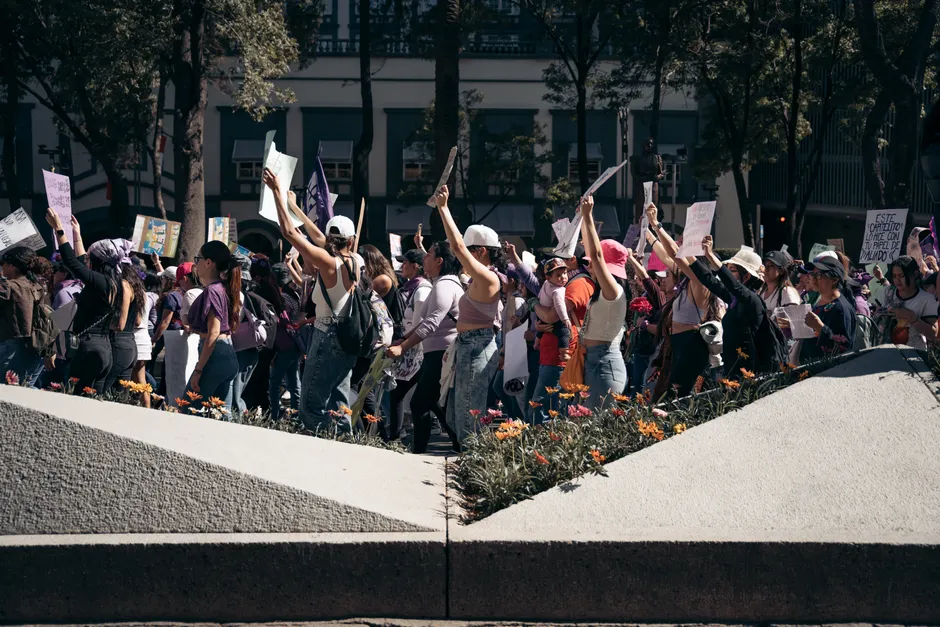
The pressure is coming from two directions. People are protesting in the streets across the country, which builds public momentum. At the same time, the CJP met with Pradhan directly to deliver their demand in person. It is like squeezing from both sides — public anger outside, formal political pressure inside.
By focusing only on getting Pradhan to resign, the CJP is making this about one person's responsibility rather than about changing education policy itself. This puts the Prime Minister in a tight spot: he either protects his minister or gives the opposition what it wants.
Modi's decision not to fire Pradhan fits a pattern he has followed before. Al Jazeera's reporting notes that Modi has previously kept ministers in their jobs even when faced with public opposition. The thinking seems to be that removing someone under pressure makes the government look weak, while holding firm looks strong and stable.
The broader context here is that this strategy comes with risk. If the protests keep going, what started as a fight over one minister could grow into a larger question about whether the government listens to its citizens. Modi appears to be betting that keeping Pradhan costs less politically than giving in to protest demands.
By calling the demand "non-negotiable," the CJP has made things harder for itself too. When you say publicly that there is no room for compromise, it becomes very difficult to back down without looking weak. The party is taking a gamble: either the government gives in and they win, or the government holds firm and they have to find a way out of a corner they painted themselves into.
For the education ministry, the result is that Pradhan is still in charge but operating under heavy political pressure. The Prime Minister's public support means he has the authority to keep doing his job. But the protests and the CJP's challenge are taking up time and attention that might otherwise go to actual education policy. The original reasons for the protests risk getting lost in the fight over who should keep their job.
What happens next depends on whether the protests keep going or fade away. Modi has shown he tends to resist calls to fire his ministers, so he may continue to hold the line. If the protests lose steam, the CJP's demand loses force. If they grow, Modi may have to reconsider. Right now, both sides have backed themselves into positions where stepping back is difficult, and the contest may simply come down to who can hold out longer.