What the Fed's July Meeting Means for Your Money
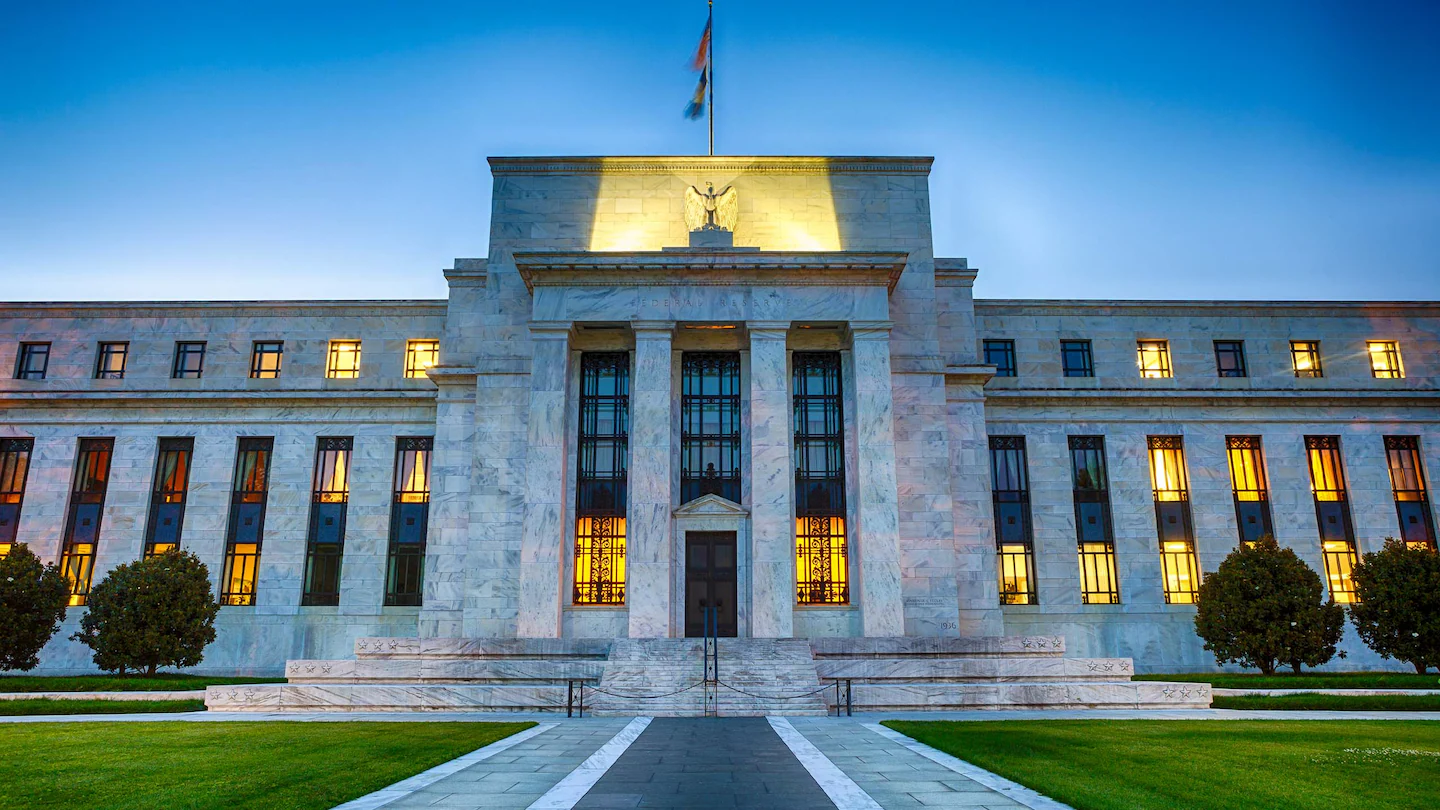
The Federal Reserve meets July 28–29, 2026, with a press conference at 2:30 p.m. ET on July 29. Most people who follow markets expect the Fed to keep its key interest rate at 3.50–3.75%, right where it has been all year (Investopedia). That key rate is the interest rate banks charge each other for overnight loans, and it ripples out to affect mortgage rates, credit card rates, and savings account yields.
This is Kevin Warsh's second meeting as Fed chair. The Senate confirmed him 54–45 on May 13, 2026, and he started the job on May 22 (The Guardian; Federal Reserve). Warsh serves a four-year term as chair and also as a member of the Fed's Board of Governors. President Trump nominated him on or around January 30, 2026 (BBC). Warsh previously served as a Fed governor earlier in his career, so he is not new to the job.
At his first meeting as chair, the committee voted unanimously to leave the rate unchanged at 3.50–3.75%. Warsh also stopped giving forward guidance — the Fed's habit of telling the public what it expects to do with rates next. That is a notable change, because investors used to get a roadmap from the Fed, and now they do not (Fox Business). The June 2026 meeting minutes, published July 8, confirmed another unanimous vote to keep the interest rate the Fed pays banks on their reserve balances at 3.65 percent, effective June 18 (Federal Reserve). That rate has stayed put, and the main federal funds rate has not moved in 2026 (CNBC.
The rate hold comes as inflation — the rate at which prices for goods and services rise — is picking up again. A jump in energy prices has driven inflation higher in 2026, making it harder for the Fed to cut rates the way financial markets expected at the start of the year (Morningstar). Warsh himself said publicly that inflation is "too high" in remarks around July 1, though he did not hint at what the July decision would be (Chase).
What this means for ordinary savers and borrowers is that the press conference on July 29 carries more weight than usual. With no forward guidance to lean on, Warsh's words at the podium become the main signal markets have. Think of it like a weather forecast: the Fed used to tell you what to expect for the week ahead, and now you have to read the clouds yourself.
The committee's unanimous votes at both 2026 meetings so far suggest everyone agrees on holding rates steady for now. But agreeing to hold is not the same as agreeing on what comes next. The June minutes and Warsh's public remarks both stressed inflation worries. Whether those worries grow or ease with new data will shape the message.
The bigger question is whether the inflation story Warsh is dealing with matches what investors have already bet on. At the start of 2026, rate cuts were expected. Those hopes keep getting pushed back. Each time the Fed holds rates steady without signaling a cut, the expected timeline for lower rates moves further out. That affects bond prices, short-term borrowing costs, and the value of the dollar. The July 29 press conference is the next clue in figuring out where things are headed.