The Fed Kept Interest Rates the Same — But Three Officials Wanted to Raise Them

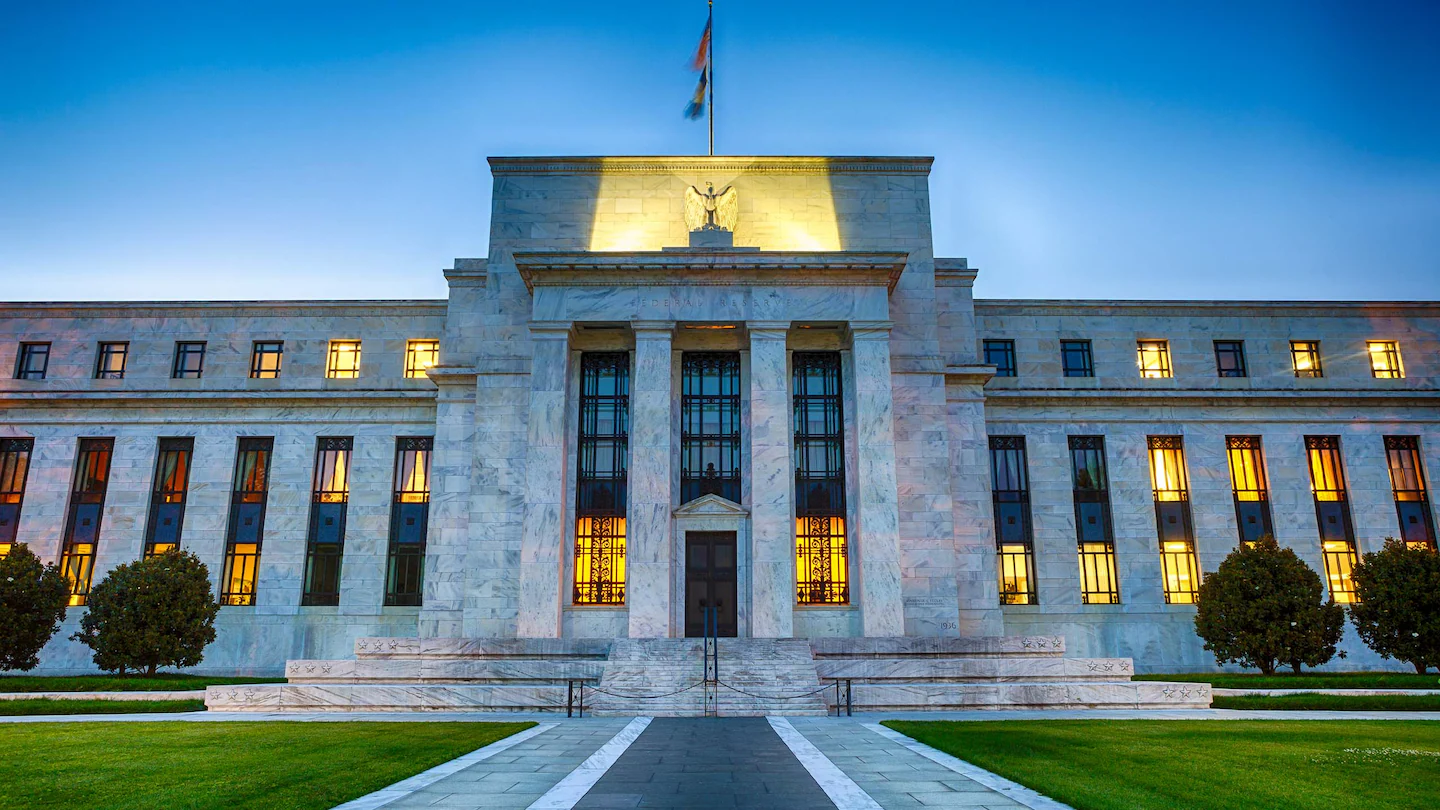
On July 29, 2026, the Federal Reserve voted to keep its key interest rate — the one that influences what you pay for mortgages, credit cards, and savings accounts — between 3.5 and 3.75 percent. It has not changed all year (Federal Reserve). But the vote was not unanimous. Three of the twelve policymakers wanted to raise rates instead (Reuters).
Most people expected the Fed to hold steady. A Reuters poll of economists on July 21, 2026 found consensus that the Fed would keep its rate unchanged for the rest of the year (Reuters). Before the announcement, markets had priced in about a one-in-three chance of a small rate increase (Reuters). The U.S. dollar index sat at 101.38, down 0.04%, as traders waited for the news (Reuters).
This was Kevin Warsh's second meeting as Fed Chair (Reuters). At a press conference afterward, Warsh said the Fed did not need to raise rates because financial markets had already pushed borrowing costs higher on their own. "Rates are higher today than they were 42 days ago," he said (New York Times; WSJ).
Warsh also said the Fed would give fewer hints about its future plans (WSJ). That is a change from the previous chair, Jerome Powell, who regularly signaled the Fed's likely path. The Fed's post-meeting statement hinted that it might raise rates later unless inflation came down more clearly (CNBC).
The three dissenting votes are the most important detail. At the June 17 meeting, every member had agreed to keep the same rate (Federal Reserve). Going from full agreement to three members wanting higher rates in just one meeting tells you a meaningful group thinks the Fed is not doing enough to fight inflation. Reuters has described the U.S. as dealing with a five-year-long inflation problem (Reuters), and the Fed's own June projections showed only one policymaker expecting lower rates by end of 2026 (Reuters).
Here is why that matters. Warsh's argument — that markets are doing the Fed's work for it — only holds up if borrowing costs stay high enough on their own to slow the economy down. If stock markets rally or lenders loosen up after the Fed holds, that market-driven tightening disappears. Then the Fed would face pressure to raise rates itself, exactly what the dissenters wanted.
Giving fewer hints about future plans is a double-edged sword. It lets the Fed stay flexible, but it also means markets have to guess what comes next based on each new economic report. That makes rate expectations jumpier. With three members already voting to hike, and the statement saying it needs "more substantial progress" on inflation before pausing, the pressure is now on the inflation data. If the next few inflation reports do not show a clear downward trend, a September rate hike becomes the most likely outcome — and the Fed's own statement pointed in that direction.
Warsh is only his second meeting in as chair, and three dissenting votes this early make an internal disagreement unusually visible. Whether that gap grows or shrinks will depend on the inflation numbers released between now and the Fed's next meeting.