Buzz Centris 2 Folding E-Bike: What You Need to Know About This Urban Commuter

Buzz Centris 2 Folding E-Bike: What You Need to Know About This Urban Commuter
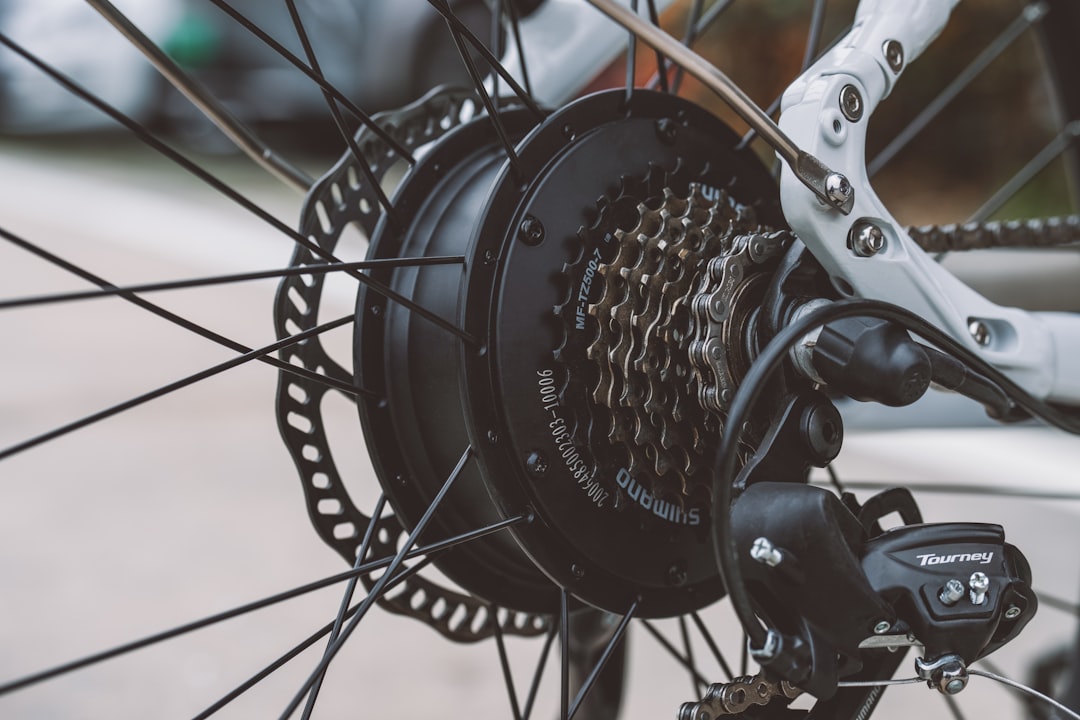
Buzz Bicycles has released the Centris 2, a folding electric bike designed to get you around the city without a car. It folds up so you can store it in an apartment or carry it on public transit. The bike has wide 4-inch tires that handle bumpy ground as well as smooth pavement. A 500-watt electric motor pushes it to 20 miles per hour, and a fully charged battery takes you about 40 miles before you need to plug it in again.
How Safe Is It?
The Centris 2 passes two important safety tests: UL 2849 and UL 2271. These certifications check two things. UL 2849 looks at all the wiring and electrical parts. UL 2271 focuses on the lithium-ion battery — the same kind of rechargeable battery in phones and laptops. These tests became standard in the e-bike industry after some batteries overheated and caught fire in other products.
The bike comes with an LCD display screen and a manual you should read before your first ride. Buzz Bicycles handles customer support through Huffy Bikes, a well-established bicycle company, at 1-800-872-2453. This means if something goes wrong, there's a real company behind it with service centers and replacement parts.
Why This Design?
The Centris 2 folds to fit in small spaces — crucial if you live in an apartment or want to carry it onto a bus or train. The 20-inch wheels are smaller than standard bike wheels, which helps it fold compact while still rolling smoothly.
The 4-inch wide tires are the defining feature. Most e-bikes have thinner tires that work fine on paved roads, but struggle when you hit gravel, potholes, or unpaved paths. These fatter tires give you better grip and cushioning on mixed surfaces you'll encounter in actual city riding. The trade-off is that they weigh more and create a bit more resistance, so you use slightly more battery power.
The 500-watt motor is middle-of-the-road for e-bikes. By law, Class 2 e-bikes stop assisting at 20 miles per hour. That's fast enough to climb hills and carry cargo, and it keeps the bike legal in most cities without needing extra licensing or insurance.
What This Means for Urban Commuters
The real-world range will depend on how much you weigh, how hilly your route is, and whether you use maximum assistance or just pedal with a little help. The 40-mile claim is optimistic and assumes ideal conditions. Most commuters will get less on a real commute.
The folding feature targets a specific problem: the "last mile" problem in cities. You might take the subway, but then need to cover a few blocks to get where you're going. A regular bike won't fit in your apartment or on a train. A car defeats the purpose. A folding e-bike fills that gap.
The Centris 2 is aimed at regular people buying their own bike, not at bike-sharing companies or delivery services. This shows in its design choices — white color, focus on comfort, emphasis on safety documentation.
What This Tells Us About E-Bikes in 2024
E-bikes have moved past being novelties. The Centris 2 represents solid engineering applied to a proven design rather than a breakthrough invention. That's what happens when a technology matures. The competitive advantage shifts from "is this possible?" to "is it reliable, affordable, and convenient?" We saw the same thing with smartphones — once they became common, companies stopped inventing new phone shapes and started focusing on making them better at what they already do.
The emphasis on safety certification and corporate backing suggests the market is settling down. Early e-bike companies often cut corners or disappeared when customers needed service. The Centris 2's connection to Huffy means parts and repairs should be available for years, even if Buzz Bicycles itself doesn't survive.
From a city planning perspective, devices like the Centris 2 signal that folding e-bikes are becoming genuine transportation options, not just gadgets. That affects how cities think about bike lanes, parking, and how different modes of transport connect together — implications that go well beyond one purchase decision.