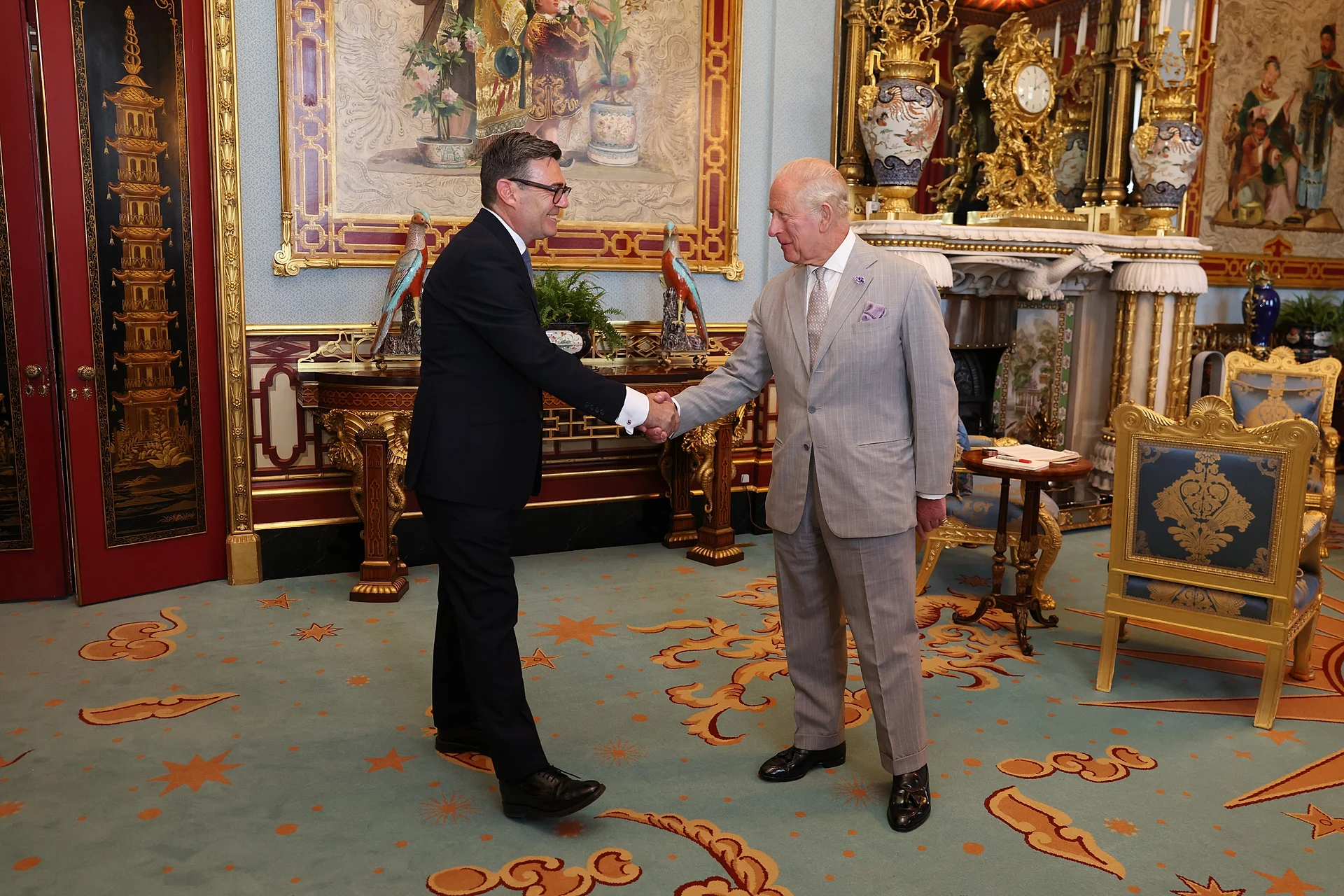
New UK Prime Minister Andy Burnham Says He Will Push Back on Trump When Needed

Andy Burnham used his first big TV interview as prime minister to say he will openly disagree with Donald Trump when it matters for Britain, setting an early tone for how the two countries will work together.
Speaking on the BBC's Sunday with Laura Kuenssberg programme on July 26, 2026, Burnham said: "I can't at any point say that I won't take a different opinion from him [Trump], that I will need to voice a different idea that is right for Britain." He added: "You have to defend your own national interest before anything else. That's what you're required to do if you're to do this job properly." The Guardian
Burnham had spoken to Trump by phone shortly after becoming prime minister. Downing Street officials called the conversation warm. The two men had not yet met in person as of July 20, according to the New York Times. NYT
The interview happened against a backdrop of active conflict. The United States had resumed attacks on Iran around the time of the broadcast. Burnham is keeping a policy he inherited from the previous prime minister, Keir Starmer: Britain will not support US offensive military operations in Iran. That puts some distance between London and Washington's current military actions in the region.
His new defence secretary, Wes Streeting, reinforced that position on Sky News' Sunday with Trevor Phillips. Streeting said he had spoken to his US counterpart, Pete Hegseth, and been clear about the gap. "I was clear that we have not supported offensive action in Iran and we won't support offensive action in Iran," he said. The Guardian
Streeting also described how the new government plans to handle the Trump relationship. "The first thing you do is, you don't suck up. My impression is, President Trump, his administration — that's not what they're looking for. He's a straight talker." Asked whether he trusted the US president, Streeting replied: "I don't know him, but I do trust the United States."
Taken together, the remarks suggest a deliberate strategy. The new government wants to come across as neither hostile nor overly obedient, but willing to state differences plainly. The idea is that being upfront is what keeps the alliance strong, though it is far from certain that the Trump administration will respond well to allied disagreement on Iran or anything else.
Burnham is described as relatively new to foreign policy, which makes his choice of Streeting as defence secretary notable. Streeting is better known for his work on health and for political fighting than for defence. He is now the minister responsible for dealing with the Pentagon. Streeting acknowledged long-running problems with how the UK buys military equipment, and said he had a duty to make sure any extra budget was spent wisely.
On defence spending, Burnham confirmed he was "very aware" of John Healey's desire to move toward spending 3% of GDP on defence. GDP, or gross domestic product, is the total value of everything a country produces in a year, so this is a way of measuring military spending relative to the size of the economy. Healey is the new chancellor, meaning he controls government spending. He previously served as defence secretary under Starmer. Burnham would not give a date for reaching the 3% target, saying the first step was to make sure the defence investment plan was fully funded before the budget later in the year. That delay suggests the issue is about sorting out the finances first, not about reluctance to spend, though it remains unclear whether the 3% goal will survive once the Treasury reviews all its spending priorities.
On domestic politics, Burnham shut down talk of an early election. "There's no early general election. I don't think people want it," he said, noting that voters had "voted for a manifesto" in 2024. That means he is tying his government's legitimacy to the existing parliamentary term rather than calling a new vote to get his own mandate.
The broader context here is a prime minister trying to set the rules of the relationship with Trump before they have even met face to face. His willingness to disagree publicly, combined with the UK's refusal to join offensive operations against Iran, could create friction. It will test whether the "straight talker" approach Streeting described actually works with Washington, or whether it causes resentment. On the home front, Burnham has locked himself into delivering on the 2024 manifesto without the fresh start an early election could have given him. That raises the stakes for his first budget, which will have to balance the competing demands of investing in defence and keeping spending under control.