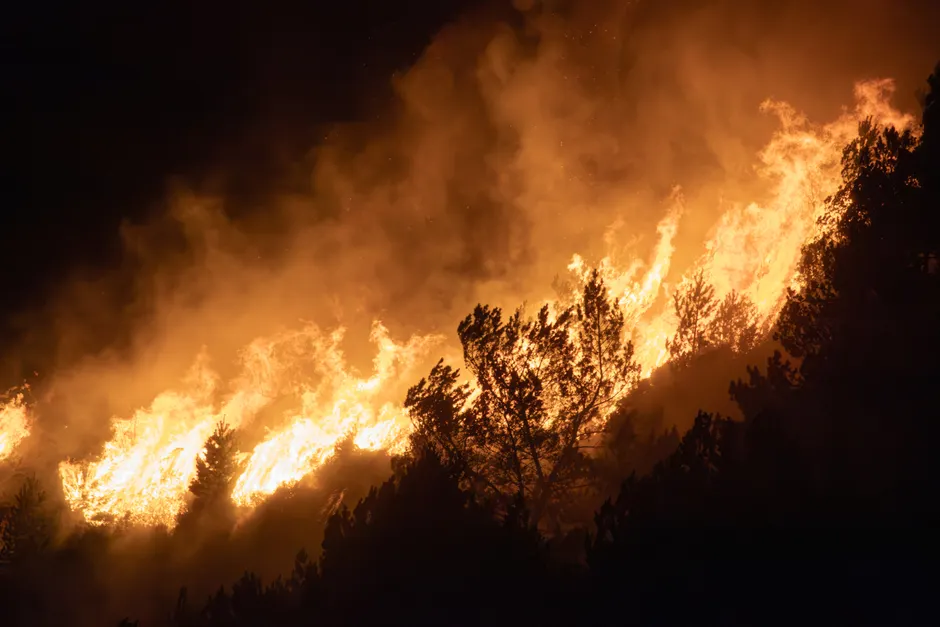
Wildfires in France and Spain Are Forcing Hundreds of Thousands From Their Homes — Here's What's Going On
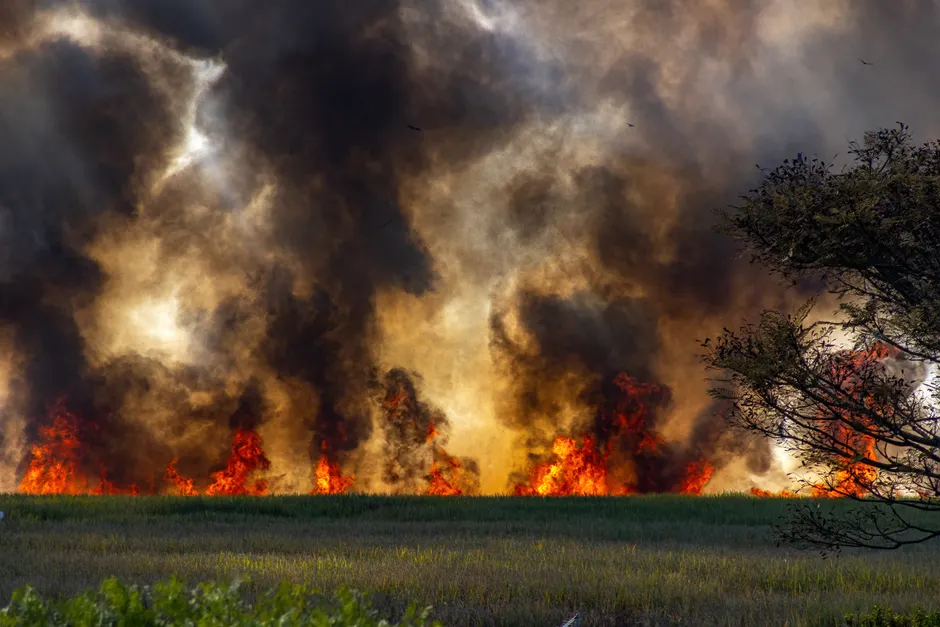
Fast-moving wildfires across France and Spain have forced nearly 300,000 people to leave their homes or find shelter as of July 25, 2026. The fires have destroyed fields, forests, and homes across both countries (New York Times). At least two people have died.
In France alone, 220,000 people had been evacuated from wildfire-affected areas as of July 26, according to an AFP roundup (Nampa/AFP). More than 267,000 people had been forced from their homes across both countries by July 25, with the fires claiming at least one additional life (Al Jazeera). A man died in a wildfire near Valencia, Spain, authorities reported on July 24 (Reuters.
How the Crisis Built Up
This disaster did not happen overnight. Wildfires began affecting several areas in southern France on July 1, 2026, prompting France's national police force, the Gendarmerie Nationale, to mobilize significant emergency resources (Gendarmerie Nationale). By July 7, France's weather service, Météo-France, had placed 61 areas at "high fire risk" and three areas, including Essonne, at "very high fire risk" (Gendarmerie Nationale). That same day, Interior Minister Laurent Nuñez traveled to the Pyrénées-Orientales, signaling the government's concern.
In the Île-de-France region, the Fontainebleau forest fire started in the late afternoon of July 12. Nuñez visited the site the following Monday, July 13 (Gendarmerie Nationale). The Gironde and Landes areas were hit harder: by July 23, nearly 40,000 people had been evacuated there due to wildfires (Gendarmerie Nationale). Across July, 400 hectares of forest were destroyed — roughly the size of 560 soccer fields — and 20,000 preventive evacuations were ordered by local government officials called prefectures (Gendarmerie Nationale).
Spain's Emergency Declaration
In Spain, Fernando Grande-Marlaska, the Minister of the Interior, declared a national-level emergency for the Community of Madrid and the province of Ávila on the night of July 9, 2026. This kind of declaration means the central government takes over coordination from local authorities, giving it more power to move quickly. The declaration cited the need for preventive evacuations in response to the threat posed by the forest fires (Spanish Ministry of the Interior).
The Role of Heatwaves
Heatwaves made the fire risk worse across the Iberian Peninsula (the landmass that includes Spain and Portugal). Spain's civil protection agency, Protección Civil y Emergencias, issued alerts for very high and persistent temperatures on July 15 and July 17, covering the Iberian Peninsula and the Balearic Islands. On July 18, the agency alerted the public to the arrival of the summer's third heatwave. A heatwave alert had also been maintained from July 6 through the following Thursday (Protección Civil). As of mid-July, however, Protección Civil reported no red or orange-level weather warnings active in Spain — the two most serious categories on their scale (Protección Civil).
Why Both Countries Are Burning at the Same Time
The broader context here is that the simultaneous fires on both sides of the Pyrenees — the mountain range separating France and Spain — point to a shared cause: extreme heat. When temperatures stay high for long periods, plants and trees dry out. Dry plants catch fire more easily, and wind can carry flames across connected forest areas quickly, much like how dry kindling catches fire far faster than damp wood. The large number of preventive evacuations — approaching 300,000 combined — reflects a strategy that prioritizes getting people out of harm's way over trying to save buildings. Both France and Spain have legal mechanisms that let officials order evacuations quickly.
What Happens Next
What remains uncertain is whether the late-July heatwave will intensify or whether firefighting teams, now stretched across two countries, can contain the active fires before August. The Gendarmerie Nationale has been working across southern France, Gironde, Landes, and the Var since early July, which suggests their resources are already under strain. Protección Civil continues to publish preventive measures against forest fires, indicating the agency treats the risk as ongoing (Protección Civil).
The figures as of July 25–26 likely remain in flux. Evacuation numbers across reporting sources ranged from 250,000 (CNN) to nearly 300,000 (New York Times) to 267,000 (Al Jazeera), with France's AFP-reported 220,000 on July 26 (Nampa/AFP) reflecting the most recent total figure for the French side.