Why Record Wildfires Are Burning Through France and Spain
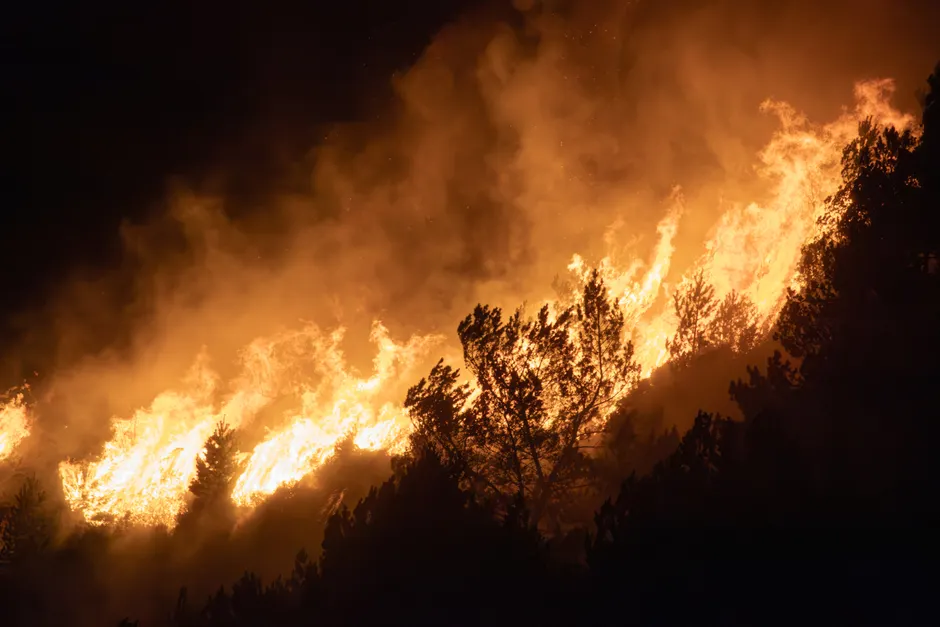
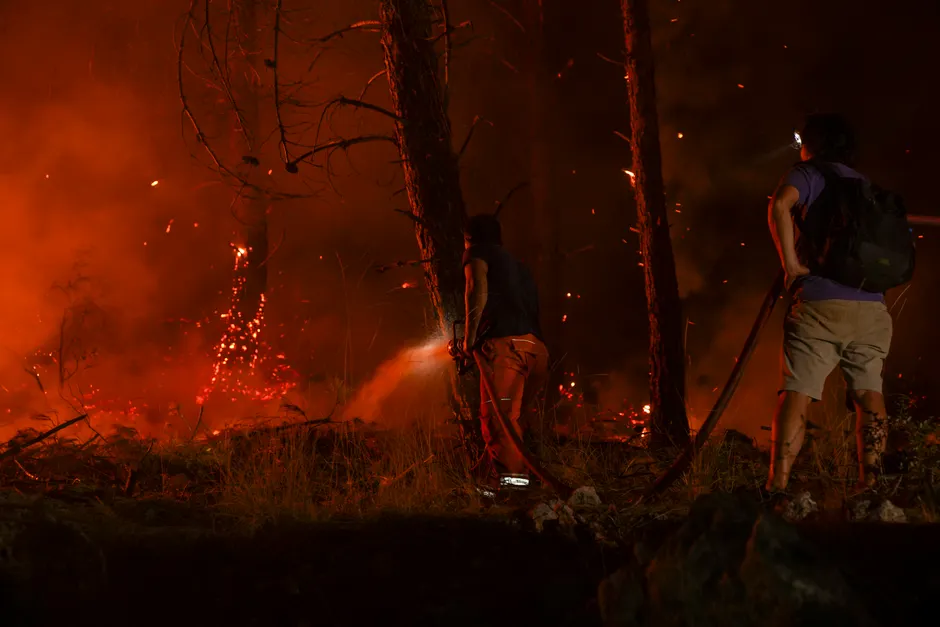
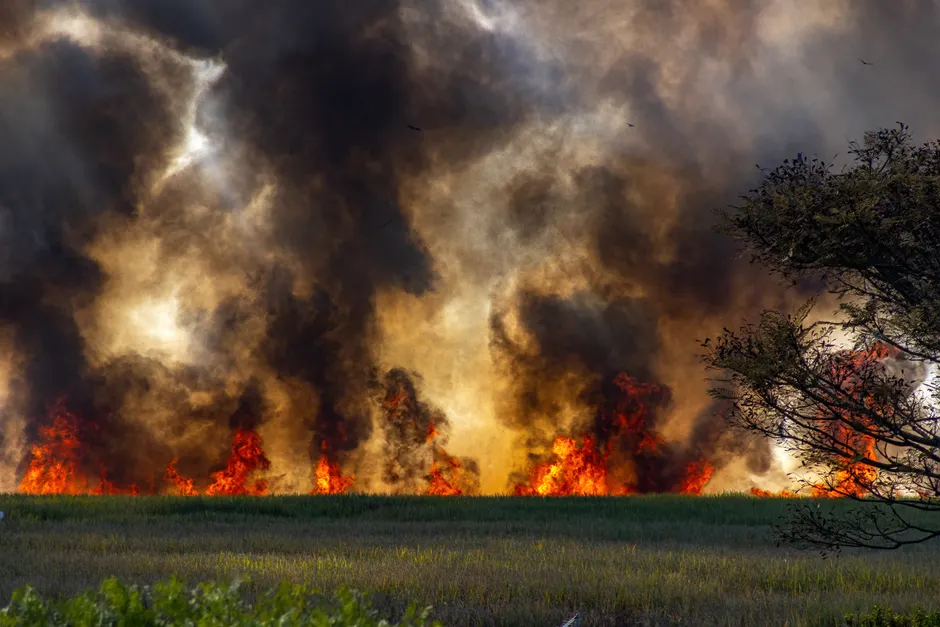
Wildfires across France and Spain have forced 330,000 people to leave their homes as of July 30, 2026. France has already burned more land than in any previous year on record, and August, typically the worst month for fires, has not even arrived yet The Guardian. Spain has had more wildfires this year than ever before for this point in the calendar, though the total area burned stayed just below the devastating 2022 season The Guardian. Spain declared a state of emergency on July 24, 2026, because its wildfires were out of control Getty Images/Facebook.
The crisis grew fast through July. On July 22, 2026, more than 220,000 people were moved out of 23 towns in France as a precaution Gendarmerie Nationale. About 60,000 people were evacuated near Madrid because of a wildfire, according to Spain's Interior Ministry NPR. At least one person died in the Spain wildfires ABC News.
Scientists called the 2026 fires 'firewaves' — meaning waves of extreme fire activity one after another, fueled by heat and dryness The Guardian. The dry conditions that fed these fires were made 80 times more likely by global warming The Guardian. June 2026 was the hottest June ever recorded in Western Europe, with temperatures running 3.06°C above normal. The heatwave at the end of June was the most severe Europe has ever seen The Guardian.
Spain's weather in 2026 swung wildly from one extreme to another. In February, Spain got 241% of its normal rainfall. By April, it received only 58% of normal rainfall The Guardian. This sudden shift from very wet to very dry meant there was a lot of plant growth that then dried out, creating plenty of fuel for fires.
In France, the wildfires did something scientists had not seen before there. They produced 'fire clouds' — towering clouds created when a fire's heat pushes hot air high into the sky. These clouds can make their own lightning, which starts new fires far from the original one, making the whole situation worse The Guardian. One of these fire clouds formed in the Fontainebleau forest, about 37 miles south of Paris. That fire began on July 12, 2026, in the Seine-et-Marne department Gendarmerie Nationale. About 10% of the Fontainebleau forest burned that day, and about 800 firefighters were sent to fight it on the first day alone French Interior Ministry.
The largest wildfire in France since World War Two burned nearly 42,000 hectares in 2026 Copernicus Atmosphere Monitoring Service. Copernicus, Europe's climate monitoring service, predicted high fire risk for Spain, France, and the Benelux countries in the first week of July 2026 Copernicus Atmosphere Monitoring Service. On July 7, 2026, France's weather service, Météo-France, placed 61 departments under high fire risk and three under very high risk, including Essonne. France's Interior Minister traveled to the Pyrénées-Orientales department around that date in connection with the wildfires Gendarmerie Nationale.
In Spain, the Military Emergency Unit was sent to a wildfire in Morillo–La Fueva, Huesca, around July 1, 2026. That fire forced 45 people to evacuate and cut electricity to the area. Another wildfire broke out in Borox, Toledo province, on July 2, 2026 Protección Civil. Spain's Civil Protection agency published wildfire tracking reports on July 5 and July 12, 2026 Protección Civil.
Spanish firefighter Javier García told the Associated Press he had never faced anything like the 2026 fires The Guardian. In 2025, France's total burned area from forest and vegetation fires was close to 30,500 hectares, the second-highest on record. That same year, the single largest forest fire in France destroyed 11,000 hectares and spread across 17,000 hectares French Ministry of Ecology.
The broader context here is that a combination of extreme weather events is overwhelming emergency services in Western Europe. Spain's swing from record rainfall in February to severe drought by April left behind an unusually large amount of dry plant material, ready to burn. The June heatwave then dried everything out further. The fire clouds that formed in France, especially near Fontainebleau, suggest a turning point: fires are no longer just reacting to the weather but are creating their own weather systems, spreading themselves through lightning strikes far from where they started.
Sending 800 firefighters to the Fontainebleau fire on day one and evacuating more than 220,000 people from 23 French towns shows how large the response had to be. France had already beaten its worst year for land burned by late July, and August is usually the peak fire month, so more records may fall before the season ends. Spain's state of emergency on July 24, 2026, reveals the strain on its emergency systems, with the Military Emergency Unit deployed and at least one death confirmed. The finding that global warming made these drought conditions 80 times more likely, along with the worst European heatwave on record at the end of June, places the 2026 firewaves within a worsening pattern of climate risk that European governments are now dealing with in real time.