Iran Says It Will Strike Back After Ukraine Attacks an Iranian Ship

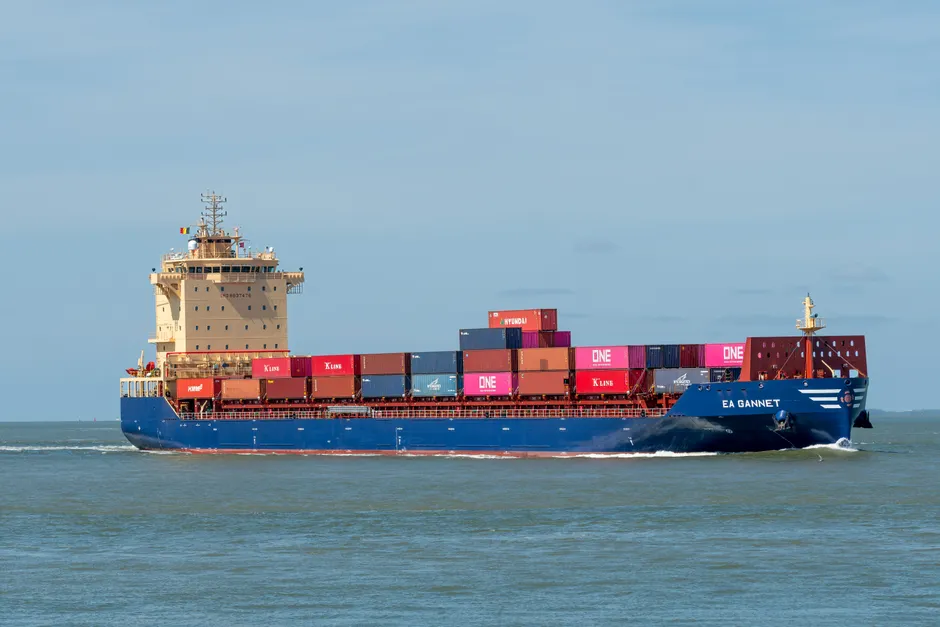
Iran has warned Ukraine that a drone strike on an Iranian ship in the Caspian Sea on July 25, 2026 — which killed one sailor and injured several others — "cannot go unanswered." The warning pulls Iran directly into the Russia-Ukraine war in a new way.
Iranian Foreign Minister Abbas Araghchi posted the warning on social media on Sunday, July 26, and followed up with phone calls to EU foreign policy chief Kaja Kallas and Russian Foreign Minister Sergey Lavrov. He called the Ukrainian attack a violation of the United Nations Charter, which is the core treaty that sets the basic rules for how countries are supposed to treat each other. Al Jazeera
Ukraine said it had targeted a Russian warship and other vessels used for transporting military cargo linked to Iran in the Caspian Sea. President Volodymyr Zelenskyy posted on X that Ukraine had achieved "very strong results" with long-range strikes, including against vessels involved in military cargo shipments connected to Iran and a warship. He accused Russia of supplying Iran with military support, citing what he described as active Russian satellite surveillance of Gulf states and U.S. military facilities since the beginning of July 2026. Al Jazeera
Anadolu Agency described the July 25 attack as a drone strike. Iran's state news agency IRNA said the targeted vessel was "Iranian-flagged" and reported the incident occurred "early Saturday." Anadolu Agency; IRNA
Iran's Foreign Ministry stated that Iran "has never intervened in the conflict between Russia and Ukraine." Tehran summoned Ukraine's top diplomat in the country to formally protest, calling the strike a "hostile and criminal act." Senior Iranian lawmaker Ebrahim Azizi, who leads parliament's National Security and Foreign Policy Commission, posted on X warning that Ukraine could face retaliation and calling the attack "miscalculated." Al Jazeera
Araghchi accused Israel of provoking the attack, claiming Ukraine struck the Iranian vessel "at Israel's behest," according to the Times of Israel. He said Israel was attempting to "drag Europe into its war." Times of Israel
Russian Foreign Minister Lavrov offered condolences over the sailor's death in a statement on the Russian Foreign Ministry's website. Araghchi thanked local authorities in Russia's Astrakhan region for assisting the crew and stressed the need to "put an end to such adventures by the Kyiv regime." He also told Lavrov about "continuing diplomatic efforts aimed at de-escalating tension in the Middle East." Al Jazeera
The strike and Iran's response widen the geographic spread of the Russia-Ukraine war. The Caspian Sea, bordered by Russia, Iran, Kazakhstan, Azerbaijan, and Turkmenistan, has until now been mostly outside the active combat zones of the war. Ukraine's claim that it targeted vessels linked to Iranian military cargo fits with Kyiv's longstanding argument that Tehran has been helping Moscow's war effort, despite Iran's denial. The two sides disagree on a basic fact: Iran says the ship was commercial, while Ukraine says it was part of a military supply chain.
The broader context here is that Araghchi's choice to call both Kallas and Lavrov on the same day shows Iran trying to handle the crisis on two fronts. The call with Lavrov let Iran and Russia align their positions and issue a joint condolence-and-condemnation response. The call with Kallas suggests Iran is testing whether European countries will pull back from a Ukrainian operation that struck a non-fighting country's ship in waters far from the main war zone.
Blaming Israel serves several purposes for Tehran. It shifts attention away from direct tension with Ukraine by bringing in a third party. It reinforces Iran's story that Israel is expanding its conflicts into Europe. And it casts Iran as a victim of someone else's manipulation rather than a participant in the war. Whether European governments accept that story is a different matter.
Iran has not said what form its retaliation might take, or when or where it might happen. The phrase "cannot go unanswered" is a warning, not a battle plan. But taken together — a formal diplomatic protest, a parliamentary warning, and public statements from the foreign minister — these steps point toward escalation. Iran now has a death, a struck ship flying its flag, and a legal argument for action.
The wider concern is that Ukraine has shown it can strike far into the Caspian Sea, which matters beyond this single attack. If Iran retaliates directly against Ukrainian targets, the Russia-Ukraine war would gain a second country-level enemy for Iran, alongside its ongoing conflict with Israel. That would further complicate European diplomacy and raise more questions about whether Iran's military ties with Russia are as limited as Tehran claims.