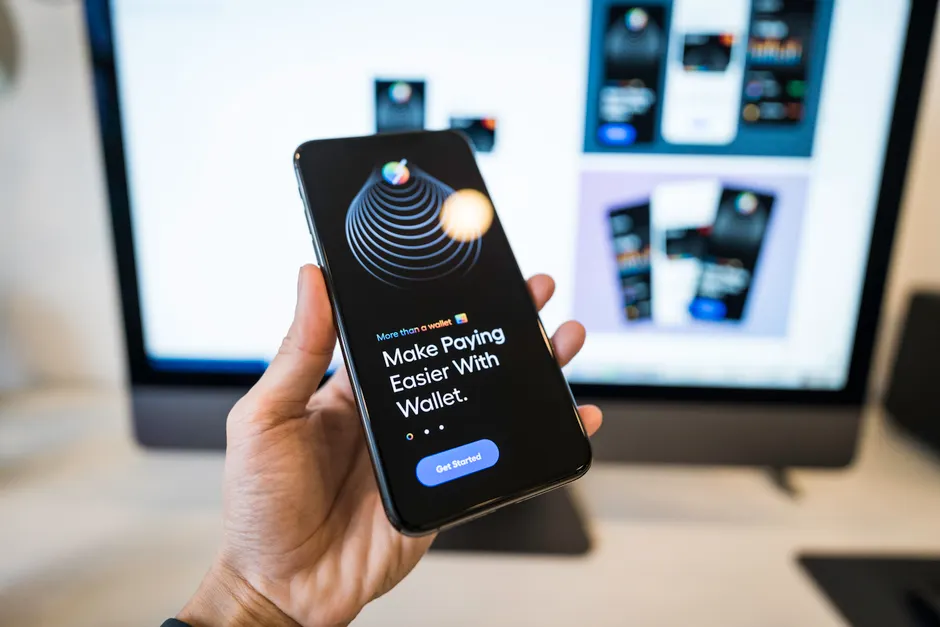
X launches its own payment app — here's what it does

X, the social media platform formerly known as Twitter, has launched its own payment service. Called X Money, it began rolling out to X Premium and Premium Plus subscribers in the United States on or around July 27, 2026, according to The Verge, which attributed the story to 9to5Mac. The launch moves X Money out of a small, invite-only test phase and into wider availability for paying subscribers.
X Money works like a digital wallet. Users can send money to each other on the platform for free, similar to how Venmo works. Users can also request a metal Visa card with their X username on it. If you use an iPhone, you can add the X Money card to Apple Wallet, the built-in app that lets you pay by tapping your phone. X Money also offers interest on money you keep in the wallet — up to 6% per year. Premium Plus subscribers get this rate automatically, while standard Premium subscribers need to deposit a minimum amount first, per The Verge and X's own interest FAQ.
The banking side is handled by Cross River, a bank based in New Jersey. In a July 27, 2026 announcement, Cross River called X Money the first payment service built directly into a U.S. social media platform. The Visa partnership was announced by X CEO Linda Yaccarino on January 28, 2025. It lets users add money to their wallet instantly and connect their debit cards, per Reuters and AP.
The launch is about three months later than planned. Elon Musk said on X in early 2026 that "early public access" would start in April 2026. Before that, the service was expected to launch in 2025, and 9to5Mac reported in January 2025 that the "X Everything App" was planned for a 2025 launch to compete with Apple Pay.
Musk has said X Money is a key part of his plan to turn X into an "everything app" — a single app where people can chat, shop, and pay, similar to how WeChat works in China. In 2023, he told X staff: "If it involves money, it'll be on our platform." This launch is the clearest step yet toward that goal, turning words into a real product people can use.
Senator Elizabeth Warren raised safety concerns about X Money earlier in 2026, pointing to risks for consumers, national security, and the stability of the financial system. This puts X Money in a space where payment tools built into social media face questions about how customer data is handled and whether people's money is protected. Cross River's role is to provide the licensed banking infrastructure that makes X Money possible — a common arrangement in fintech, but one that has attracted regulatory scrutiny in recent years.
The market X Money is entering is already crowded. Peer-to-peer payments in the U.S. are led by Venmo, Cash App, and Zelle, all of which have built up large user bases over years. X Money's advantages are its connection to X's social network, the Visa card, Apple Wallet integration, and the interest it pays on deposits. The 6% rate, if it holds, would be high compared to other payment apps. But most Premium subscribers will need to meet a minimum deposit amount to get that rate.
Several details are still unknown: what fees might apply beyond the free transfers, how widely the Visa card is accepted by merchants, whether the wallet supports direct deposit and bank transfers, and how X will handle fraud, disputes, and customer protection. These are the details that decide whether people keep using a payment app after the initial novelty wears off.
The bigger picture is that X is trying to do something Western social media companies have mostly avoided: making payments a core part of the social experience. The closest comparison in the U.S. is Facebook, which tried payments for years but never matched the popularity of standalone payment apps. X is betting that its paying subscribers, the Visa card, and the deposit interest will be enough to build a lasting habit. Whether that works will come down to the things users care about most: reliability, security, and simply being able to move money without hassle.