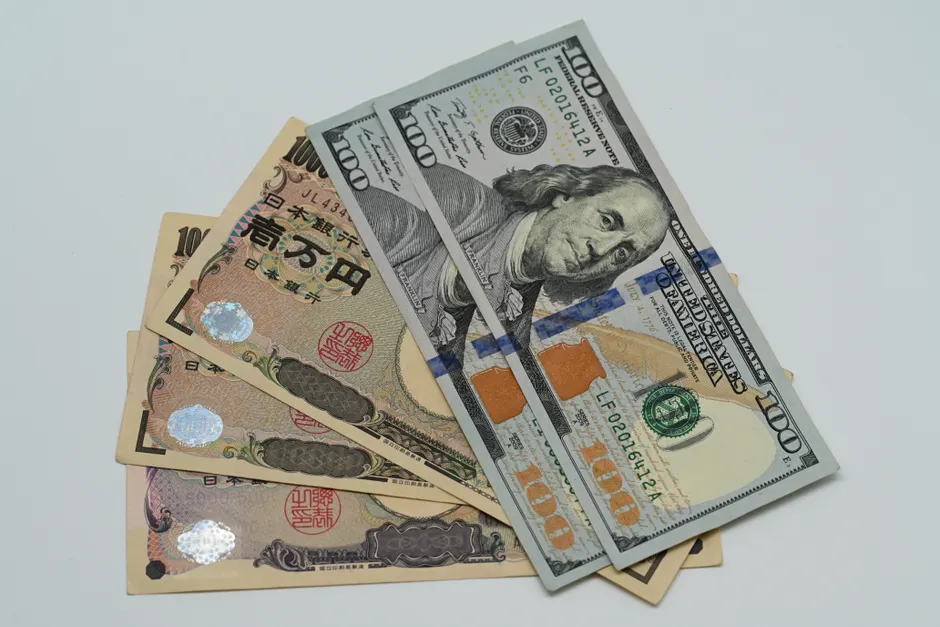
Why the Dollar Wobbled—And What It Means for Your Money

The Move That Matters
On June 8, 2026, the WSJ Dollar Index — a measure of how strong the U.S. dollar is compared to other major world currencies — dropped 0.10% to 96.50.
On its own, 0.10% sounds tiny. And it is. But the reason behind the move is worth understanding.
What You're Actually Measuring
The WSJ Dollar Index tracks the dollar against a broad basket of currencies from trading partners around the world. This is different from another widely-watched measure, the DXY Index, which focuses heavily on the euro (it makes up about 58% of that index).
The distinction matters because the two indexes sometimes tell different stories. The WSJ measure gives you a clearer picture of how the dollar is moving against Asian and other emerging-market currencies, while the DXY can mask what's really happening in those regions.
On this particular day, Asian currencies moved in different directions — some got stronger against the dollar, others weaker. That mixed picture is important context.
Why the Dollar Slipped: The Interest-Rate Connection
Here's the mechanism: when people expect the Federal Reserve to raise interest rates, it makes dollar-based investments look more attractive. Higher U.S. interest rates mean you earn more by holding dollars, so investors around the world tend to buy dollars, pushing its value up.
The opposite happened here. Markets were building expectations that the Fed might raise rates — but the dollar still fell slightly. That seems backwards at first. The reason? Other pressures were offsetting that dollar-buying impulse.
The Asian Currency Story: Why "Mixed" Matters
When markets say Asian currencies traded "mixed," they mean some countries' currencies strengthened against the dollar while others weakened. This happens because different Asian economies face different pressures.
Japan, for instance, has a trade surplus — it exports more than it imports. Its currency (the yen) reacts differently to U.S. interest-rate changes than currencies from countries that run trade deficits and owe money in dollars. When rates rise globally, those deficit countries face a squeeze: their currencies weaken, their costs go up, and foreign money stops flowing in. Japan feels less pressure.
The 0.10% drop in the overall index is what you get when you average out all these competing pressures.
What 96.50 Actually Tells You
A dollar index sitting around the mid-90s is not in crisis territory — not surging, not collapsing. It's in the zone where small pieces of economic news and central bank signals move markets, rather than panic or emergency action.
We saw this pattern before. In 2018, when the Fed was raising rates and global growth was patchy, Asian currency markets looked a lot like this — the dollar neither dominating nor retreating, different regional currencies moving on their own circumstances as much as on the dollar's strength. The Indonesian rupiah and Indian rupee struggled more; the Singapore dollar and South Korean won held up better.
The key lesson: index-level moves can hide what's actually happening in individual currency pairs.
What Comes Next
If markets keep pricing in higher Fed rates — whether because of a strong job market, sticky inflation, or surprise economic strength — the dollar's next move depends on a simple question: Is this new information or just confirmation of what was already expected?
Markets that have already bet on a rate hike don't necessarily move when the Fed actually does it. They move when something surprises them.
Think of it this way: if everyone knows rain is coming and the forecast holds steady, the forecast announcement doesn't cause a panic. But if the forecast changes, people react.
The broader context here is that Asian currency traders aren't betting heavily in any single direction right now. The mixed session suggests they're genuinely uncertain about what the Fed will do next — not confident in a bet against the dollar or for it. That's worth watching as the next Fed announcement and economic data arrive.
What This Means for You
If you or your retirement savings are invested in foreign stocks or bonds, a shifting dollar affects your returns. A weaker dollar makes foreign investments worth more when you convert them back to dollars. A stronger dollar has the opposite effect.
The Fed's next interest-rate decision will be the real turning point. The 0.10% move on June 8 is a data point showing that markets aren't quite sure where things are headed.