A Joke Movement Called the Cockroach Party Got India's Education Minister Fired
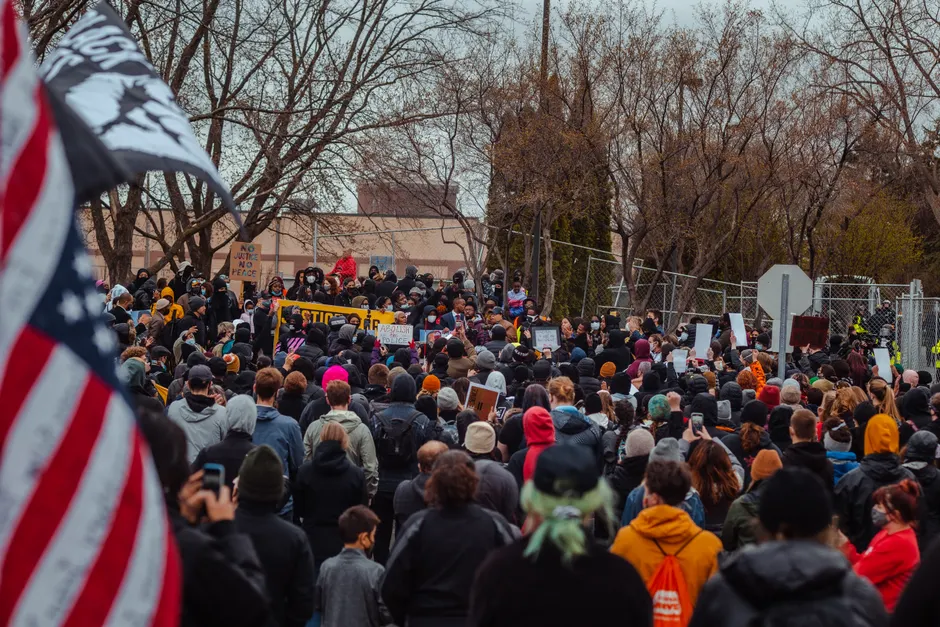
India's Education Minister Dharmendra Pradhan resigned on July 25, 2026, after weeks of protests led by a Gen Z movement called the Cockroach Janta Party. Tens of thousands of demonstrators took to the streets of New Delhi, and the government was forced to make concessions (NPR; Reuters; New York Times).
The protests started because of leaked medical entrance exams. In India, getting into medical school is extremely competitive. Every year, huge numbers of students take a high-stakes test, and the fairness of that test is seen as a direct measure of whether the government can be trusted to run things fairly. When the exam questions were leaked, it undermined that trust (PBS NewsHour).
The Cockroach Janta Party began as a joke, according to a New York Times report from June 6, 2026, which was the first major outlet to cover the movement (New York Times). It started as online humor and grew into a real street movement. The group kept its satirical tone the whole time, using absurd humor to express genuine anger about exam cheating and government accountability (CNN).
By late July, tens of thousands of young protesters had filled the streets of New Delhi (CNN). The demonstrations lasted for weeks. They were called off on July 25, 2026, the same day Pradhan resigned (New York Times; Reuters).
The protests were not limited to India. Hundreds of Indian diaspora members, people of Indian origin living abroad, gathered in Manhattan, New York, to show solidarity with the movement (New York Times). This global dimension shows how communities living outside India can add to political pressure on the Modi government from abroad.
On July 20, 2026, Indian security forces used tear gas and batons to break up student protests in New Delhi. Human Rights Watch, reporting three days later, said the protests were largely peaceful and called the government's response excessive (Human Rights Watch). One protester, 20-year-old Sona Bisht, told the Associated Press: "If the government thinks that doing this with Gen Z can stop us, then that won't happen" (PBS NewsHour).
The broader context here matters for several reasons. The Cockroach Janta Party went from an online joke to a movement that forced a cabinet minister to resign. That shows how absurdist humor can actually be a powerful tool for organizing young people. The name itself invites dismissal, which is the point: a movement people laugh at is harder to shut down without generating sympathy. This strategy has been used before, from Central Europe's Orange Alternative in the 1980s to other satirical anti-authoritarian movements around the world.
Second, the leaked exams at the center of these protests point to a deeper worry. India's medical entrance exam system is a bottleneck that hundreds of thousands of students pass through each year. When the system meant to guarantee fairness is itself caught up in scandal, people start questioning the legitimacy of the whole institutional pipeline.
Third, the Modi government's decision to accept Pradhan's resignation rather than endure more protests looks like a calculated trade: one minister's departure in exchange for calming things down. Reuters reported that youth protest leaders were set for further talks with the government even as the protests ended, meaning the movement still has leverage and may push for more changes beyond the resignation (Reuters). CNN, in its July 28 analysis, raised the central question of what comes next for both the movement and the government (CNN).
PBS NewsHour, in its July 27 broadcast, described the protests as exposing "cracks in Modi's government" (PBS NewsHour). Whether those cracks widen depends on whether the government treats Pradhan's departure as the end of the story or the beginning of a broader reform conversation. The Cockroach Janta Party has shown that satire can be a serious foundation for political action. A movement that began as a joke has already claimed its first scalp.


