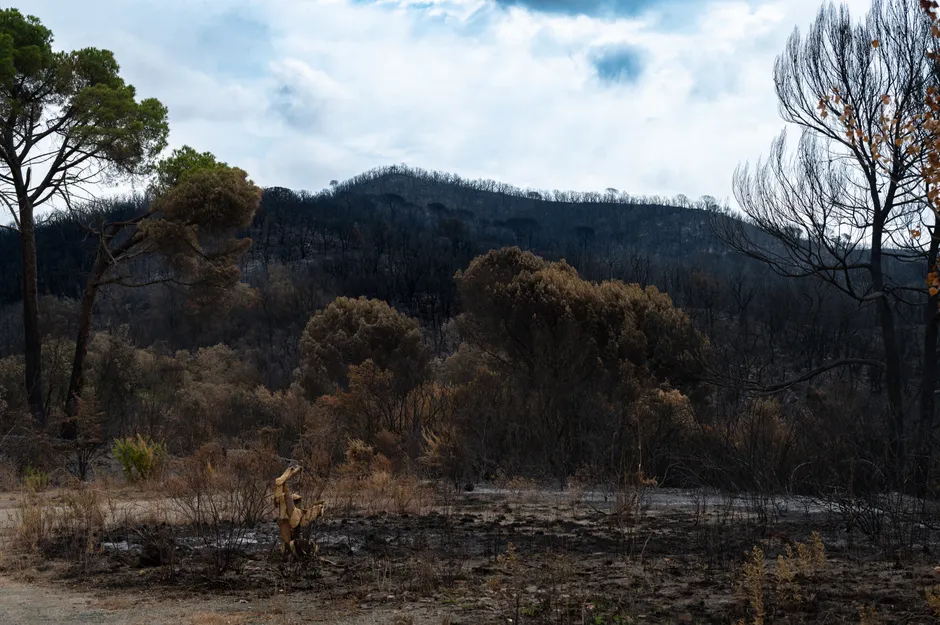
A Huge Wildfire in France Burned an Area Four Times the Size of Paris
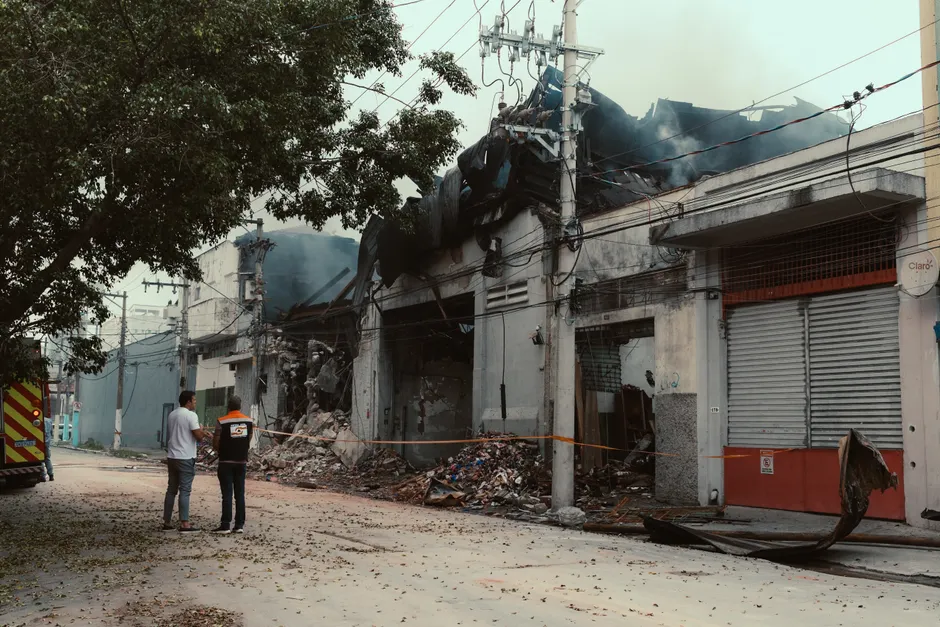
A forest fire that started on July 22, 2026, in a small town called Saumos in southwestern France burned an area four times the size of Paris and forced 220,000 people to leave their homes, according to Interior Minister Laurent Nuñez (PBS NewsHour). The fire moved northwest toward the towns of Le Porge and then Lège-Cap-Ferret, causing mass evacuations along the Atlantic coast.
By 9:00 p.m. on the same day the fire started, it had already burned more than 800 hectares of forest — roughly the size of 1,100 soccer fields (Gironde Prefecture). The Gironde area had been placed under an orange alert for forest fires, which is France's second-highest warning level, meaning conditions were dangerous and people needed to be ready to act (Gironde Prefecture).
Le Porge was hit hardest. The town was evacuated as flames got close, forcing most of its 3,500 residents to flee. France's national police were sent across Gironde, an area dealing with several fires at once, including at Le Porge and a number of campsites (Police Nationale).
Firefighters got the wildfire under control by early August, allowing nearly 200,000 people to go home (ABC News). People were allowed back on Monday, August 3, in the towns of Lège-Cap-Ferret and Le Porge — but campsites stayed off-limits (Gironde Prefecture). The local government also gave Le Porge residents an official form related to the fire, likely for insurance and paperwork.
The difference between the 220,000 people who were evacuated and the nearly 200,000 who returned home suggests that some people were still unable to go back, especially in campsite areas and places where the fire was not fully contained. Campsites were kept closed because they are usually surrounded by dense forest and have visitors who come and go, making it harder to evacuate them safely and let them return.
The broader context here is about the land itself. This part of France has had major wildfires in recent years, and the Saumos fire fits that pattern. Saumos is located inside the Landes de Gascogne forest, the largest human-planted forest in Europe. It is mostly made up of a single type of pine tree, which means there is a lot of flammable material packed closely together, allowing fire to spread quickly. The fire moved along a strip of land between the Atlantic Ocean and a coastal bay called the Arcachon basin, putting both year-round residents and summer tourists directly in its path during the busiest season.
There is also a question about the warning system. The orange alert placed on Gironde is part of a stepped warning system used by France's weather service, Météo-France. Orange means dangerous conditions and one level below the highest alert, which is red. The fact that the fire grew from nothing to over 800 hectares in a single day — while under a warning level below the maximum — raises questions about whether the system reacts fast enough to how fires actually behave. The quick spread also shows the limits of preparing firefighters and equipment ahead of time when the alert level is not at its highest, especially in an area dealing with multiple fires at once.
The police and firefighters worked together in a coordinated response. Police handled evacuations, kept people out of dangerous areas, and managed who could return. The local government shared updates and official documents throughout the crisis, which points to a deliberate effort to keep people informed. The decision to let people return home was issued as a formal announcement rather than a casual update, which signals a shift from emergency response to recovery.